Stepping into the world of fitness tracking doesn’t have to mean emptying your wallet. For years, fitness trackers were seen as luxury items, but today, a new generation of affordable fitness trackers offers robust features that can help anyone kickstart their health journey or fine-tune their routine without a hefty price tag. These budget-friendly devices prove that smart health monitoring is accessible to everyone, empowering you to better understand your body and stay motivated.
What is a Fitness Tracker and Why Do You Need One?
A fitness tracker is a wearable device designed to monitor various aspects of your health and physical activity. From counting your daily steps to analyzing sleep patterns and tracking heart rate, these devices provide valuable insights into your well-being. For many, a fitness tracker serves as a powerful motivational tool, encouraging more movement and healthier habits.
The benefits extend beyond mere step counting. Fitness trackers can help you understand calorie expenditure, monitor workout intensity, and even manage stress levels. They are ideal for a wide range of individuals, whether you’re a seasoned athlete looking for basic performance data, someone striving for a more active lifestyle, or simply curious about your daily health metrics. With an affordable fitness tracker, you gain access to essential health data that can lead to significant improvements in your overall fitness and health.
Popular Types of Affordable Fitness Trackers on the Market
The market for Cheap Fitness Trackers offers a variety of designs and functionalities, ensuring there’s a device to suit nearly every preference and need. Primarily, they can be categorized by their form factor and the core features they emphasize.
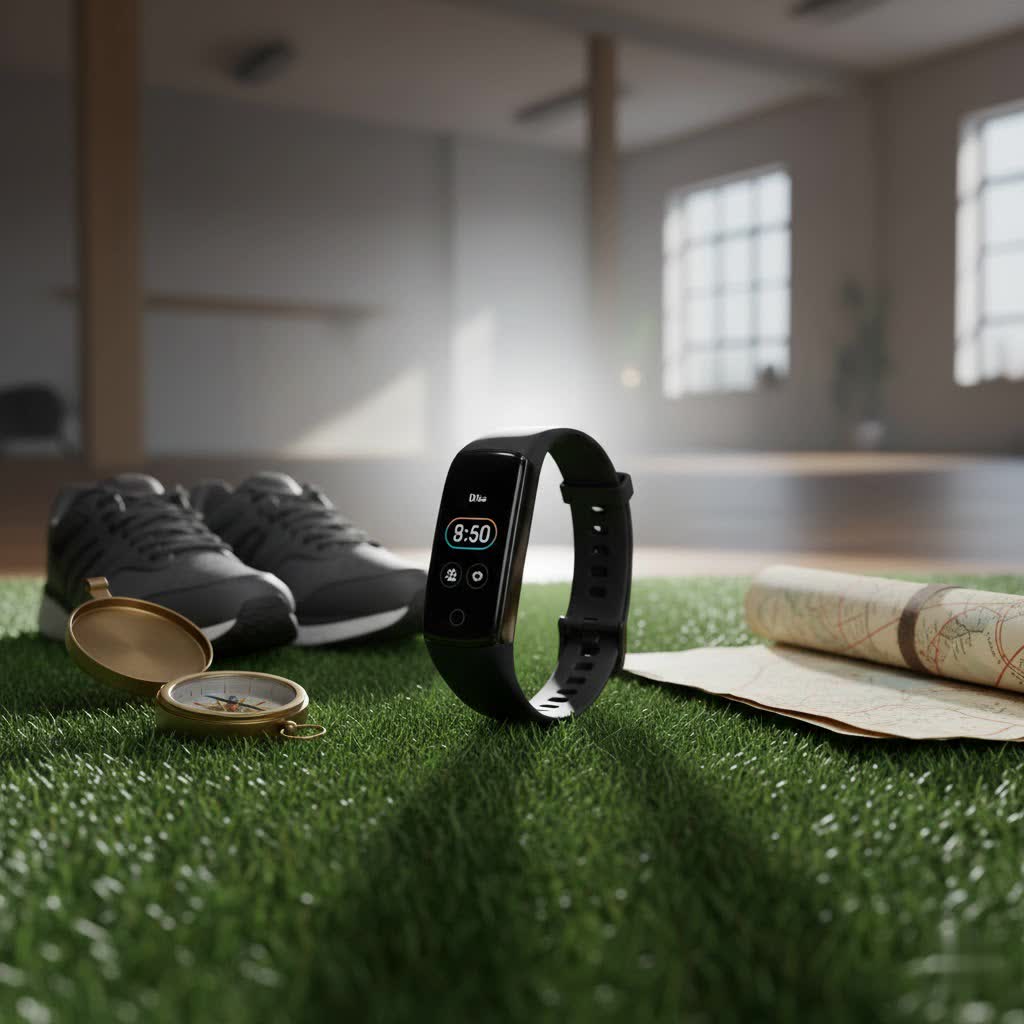
Many affordable options come in the form of slim bands, resembling a minimalist bracelet. These are often lightweight, discreet, and focus on fundamental tracking like steps, sleep, and heart rate. They are excellent for those who prefer a less intrusive device or who are new to wearables.
Another common type is the smartwatch-like tracker, which offers a larger display and often a broader range of features, sometimes blurring the line between a dedicated fitness tracker and a full-fledged smartwatch. While generally still more affordable than premium smartwatches, these might include more advanced workout modes, on-screen notifications, and a more interactive interface.
When classifying by features, you’ll find trackers primarily focused on:
- Basic Activity Monitoring: Counting steps, distance, and calories burned.
- Heart Rate Tracking: Continuous monitoring of your pulse during daily activities and workouts.
- Sleep Analysis: Recording sleep stages (light, deep, REM) and providing insights into sleep quality.
- Blood Oxygen (SpO2) Monitoring: Measuring oxygen saturation levels, often useful for overall health insights.
- Multi-sport Modes: Offering specific tracking for various activities like running, swimming, cycling, and more.
The advantages of these affordable trackers often include long battery life, comfortable designs, and essential health metrics. However, they may lack advanced features like built-in GPS (often relying on your phone’s GPS), NFC for payments, or highly accurate ECG readings found in pricier models. The key is to find a balance between cost and the specific features most important to you.
Top Affordable Fitness Trackers for
Choosing the best cheap fitness tracker involves balancing essential features with an attractive price point. Here’s a comparison of some of the most highly-rated models that deliver excellent value without breaking the bank. These trackers typically offer robust basic functionalities, making them ideal for individuals looking to monitor their health and activity efficiently.
| Feature | Xiaomi Smart Band 9/10 | Fitbit Inspire 3 | Amazfit Band 7 | Garmin Vivosmart 5 |
|---|---|---|---|---|
| Price Range | Under $50 | Under $100 | Under $50 | Under $200 |
| Display | AMOLED (1.47-1.72 inches) | AMOLED (1.55 inches) | AMOLED (1.47 inches) | OLED (0.76×0.42 in) |
| Battery Life | Up to 14-18 days | Up to 10 days | Up to 18 days | Up to 7 days |
| Water Resistance | 5ATM (swim-proof) | 5ATM (swim-proof) | 5ATM (swim-proof) | 5ATM (swim-proof) |
| GPS | Connected (phone required) | Connected (phone required) | Connected (phone required) | Connected (phone required) |
| Key Tracking | HR, Sleep, SpO2, Steps, 150+ modes, Stress, Women’s Health | HR, Sleep, SpO2, Steps, Stress, Active Zone Minutes | HR, Sleep, SpO2, Steps, Stress, PAI, 120+ modes | HR, Sleep, SpO2, Steps, Stress, Body Battery |
| Design | Slim, comfortable band | Slim, discreet, color band | Light, comfortable | Small, simple, discreet |
| Pros | Excellent value, long battery, bright screen, extensive sport modes | User-friendly app, accurate tracking, Active Zone Minutes, good sleep tracking | Great battery, one-tap health metrics, PAI scoring, affordable | Free data, excellent sleep tracking, reliable Garmin ecosystem |
| Cons | App can be less insightful, no built-in GPS, accuracy may vary | Some advanced features behind Premium paywall, no built-in GPS | Slower workout session start/end, no built-in GPS | Higher price point than some rivals, small screen, no built-in GPS |
Guide to Choosing the Right Affordable Fitness Tracker
Selecting the perfect cheap fitness tracker requires a clear understanding of your personal needs and priorities. With numerous options available, focusing on key factors will help you make an informed decision.
First, identify your primary usage needs. Are you mainly looking for a simple step counter and sleep monitor? Or do you need something more advanced for specific workouts like running, swimming, or gym sessions? If you’re a casual user, a basic band like the Xiaomi Smart Band 9 might be perfect. If you need more detailed workout analytics, a Fitbit Inspire 3 or Amazfit Band 7 could offer a better experience with their comprehensive tracking modes.
Next, consider the features that matter most to you:
- Accuracy: While budget trackers might not rival medical-grade devices, look for reviews that praise consistency in heart rate, step count, and sleep tracking.
- Battery Life: A longer battery life means less frequent charging. Many affordable trackers boast 7 to 18 days, which is a significant convenience.
- Water Resistance: If you swim or sweat heavily, ensure the device has a high ATM rating (e.g., 5ATM for swimming).
- Design and Comfort: You’ll be wearing it daily, so choose a style that appeals to you and feels comfortable on your wrist, especially for sleep tracking.
- App Ecosystem: The companion app is crucial for data analysis. Look for an app that is intuitive, provides clear insights, and is compatible with your smartphone.
- GPS: Many cheap trackers use “connected GPS,” meaning they use your phone’s GPS for distance and route tracking. If phone-free outdoor tracking is essential, you might need to stretch your budget slightly for models with built-in GPS or accept this limitation.
Finally, set a realistic budget. Affordable fitness trackers generally fall between $30 and $150. Knowing your spending limit will narrow down your choices and help you find the best value within that range. Remember, a higher price doesn’t always guarantee a better fit for your specific requirements.
Top Affordable Fitness Trackers in 2026
The year 2026 brings an even more competitive landscape for cheap fitness trackers, with manufacturers delivering impressive features at accessible price points. Here are some of the standout models highly favored by users and experts alike:
Xiaomi Smart Band 9/10
|
Our Picks for the Best Fitness Tracker in 2026
As an Amazon Associate I earn from qualifying purchases.
|
||
| Num | Product | Action |
|---|---|---|
| 1 | USMECBL Fitness Trackers,Smart Band 24/7 Health Monitoring,Blood Oxygen Heart Rate Sleep Monitor,Calorie Pedometer Steps Counter Activity watchs/Notifications for iOS/Android |

|
| 2 | GANSI Smart Ring for Women & Men - IP68 Waterproof Fitness Tracker -Sleep Tracking Heart Rate Healthy Monitor - Activity/Steps/Calories - for iOS & Android 10# |
|
| 3 | WHOOP 5.0/MG Activity Tracker - 12 Month Membership - Health and Fitness Wearable – 24/7 Activity and Sleep Tracker, Personalized Coaching, Menstrual Cycle Insights – 14+ Days Battery Life |
|
| 4 | Garmin Forerunner 55, GPS Running Watch with Daily Suggested Workouts, Up to 2 Weeks of Battery Life, Black - 010-02562-00 |
|
| 5 | MorePro Fitness Tracker(Answer/Make Call), 1.83” Health Fitness Watch with Heart Rate, Blood Pressure,SpO2 and Sleep Monitor, 100+ Sports Modes, IP68 Waterproof Smart Watch for Men Women |
|
| 6 | Fitbit Charge 6 Fitness Tracker with Google apps, Heart Rate on Exercise Equipment, 6-Months Premium Membership Included, GPS, Health Tools and More, Obsidian/Black, One Size (S & L Bands Included) |
|
| 7 | Fitbit Inspire 3 Health &-Fitness-Tracker with Stress Management, Workout Intensity, Sleep Tracking, 24/7 Heart Rate and more, Midnight Zen/Black One Size (S & L Bands Included) |
|
| 8 | Fitness Tracker with Heart Rate/Blood Oxygen/Sleep Monitor, 20+ Sports Modes Smart Watches for Women/Men, Activity & Step Tracker Smart Watch for Android/iOS Phones |
|
| 9 | EnergyPort Purple Fitness Tracker with Quartz Display - Smart Bracelet Monitor Heart Rate, Sleep, IP68 Waterproof for Women, 30-Day Battery Life, Smart Notifications, Compatible with Android and iOS |
|
| 10 | Fitness Tracker with 24/7Heart Rate, Blood Pressure, Sleep Tracking, Calorie, Activity Tracker with 1.1" AMOLED Color Screen, Waterproof Step Tracker for Android iPhones Women Men |
|
The Xiaomi Smart Band series consistently dominates the budget segment. The latest iterations, such as the Smart Band 9 and 10, offer incredible value. Priced often under $50, these bands feature vibrant AMOLED displays, extensive workout modes (over 150), and impressive battery life, often lasting 14-18 days on a single charge. They excel at tracking basic health metrics like heart rate, sleep stages, SpO2, and stress levels. Users appreciate their lightweight design, making them comfortable for all-day wear and sleep tracking. While they rely on connected GPS, their overall feature set for the price is hard to beat, making them a top choice for beginners and budget-conscious users.
Fitbit Inspire 3
For those who value a polished app experience and reliable tracking, the Fitbit Inspire 3 is an excellent option, typically retailing under $100. It enhances its predecessor with a bright AMOLED screen and maintains Fitbit’s reputation for accurate heart rate and sleep monitoring. The Inspire 3 introduces Active Zone Minutes, a valuable metric that helps you understand the intensity of your workouts. Its compact design is discreet and comfortable, and it offers up to 10 days of battery life. While some advanced insights are reserved for Fitbit Premium subscribers, the core tracking capabilities and user-friendly interface make it a strong contender for anyone seeking a dependable and intuitive cheap fitness tracker.
Amazfit Band 7
The Amazfit Band 7 stands out for its large display, robust battery life (up to 18 days), and comprehensive health tracking, often priced around $50. It boasts 120 sport modes and a unique “one-tap measure” feature that quickly assesses heart rate, blood oxygen, and stress levels. The Personal Activity Intelligence (PAI) scoring system provides a holistic view of your health based on activity. Its comfortable design makes it suitable for continuous wear, including sleep tracking. For its price, the Amazfit Band 7 offers a feature-rich experience, making it a powerful rival in the affordable segment.
Garmin Vivosmart 5
While a bit higher on the “cheap” spectrum, often priced under $200, the Garmin Vivosmart 5 offers the reliability and robust ecosystem of Garmin for a more accessible cost. It’s praised for its accurate sleep tracking and offers core Garmin features like Body Battery energy monitoring, stress tracking, and wrist-based heart rate. While its OLED screen is smaller and it relies on connected GPS, it provides all your fitness data for free within the comprehensive Garmin Connect app. For users who prefer Garmin’s data presentation and desire a discreet tracker with strong foundational metrics, the Vivosmart 5 is an excellent choice.
How to Use and Maintain Your Affordable Fitness Tracker
Getting the most out of your cheap fitness tracker involves proper setup, understanding its basic functions, and regular maintenance.
Setting Up Your Device:
Most fitness trackers require you to download a companion app on your smartphone (e.g., Xiaomi Wear, Fitbit app, Zepp app, Garmin Connect).
- Charge Fully: Before first use, fully charge your tracker.
- Pair with App: Follow the on-screen instructions in the app to pair your tracker via Bluetooth.
- Create Profile: Enter your personal data (age, height, weight) for accurate metric calculations.
- Customize Settings: Adjust notification preferences, set daily goals (steps, active minutes, sleep), and select preferred workout modes.
Using Basic Features:
- Step Tracking: Simply wear your device! It automatically counts your steps throughout the day.
- Heart Rate Monitoring: Many trackers offer continuous heart rate monitoring. Check the app or the device screen for real-time data and historical trends.
- Sleep Tracking: Wear your tracker to bed. The device will automatically detect sleep and provide a breakdown of sleep stages in the morning.
- Workout Modes: Select the appropriate mode (e.g., running, cycling) before starting an exercise session for more accurate data specific to that activity.
Maintenance and Care:
- Regular Cleaning: Clean your tracker and band regularly with a soft, damp cloth to remove sweat, dirt, and oils. This prevents skin irritation and keeps sensors clear.
- Avoid Harsh Chemicals: Do not use abrasive cleaners or harsh chemicals as they can damage the device.
- Charging: Use the provided charging cable and a compatible power source. Avoid overcharging for extended periods.
- Water Exposure: Adhere strictly to the water resistance rating. While 5ATM means it’s suitable for swimming, it’s generally not recommended for high-pressure water activities or diving.
- Software Updates: Keep your device’s firmware and the companion app updated to ensure optimal performance and access to new features.
Proper use and care will extend the lifespan of your affordable fitness tracker, ensuring it continues to support your health and fitness goals effectively.
Important Considerations When Using a Fitness Tracker
While cheap fitness trackers offer incredible value and utility, it’s crucial to approach their data with realistic expectations and an understanding of potential limitations.
Accuracy Limitations:
The accuracy of fitness trackers, especially more affordable models, can vary. Factors such as wrist placement, skin tone, movement type, and even external environmental conditions can influence readings for heart rate, step count, and calorie burn. For instance, wrist-based heart rate monitors may not be as precise as chest strap monitors, particularly during high-intensity or irregular movements. Similarly, step counts can sometimes register false steps or miss real ones. It’s generally best to view the data as trends and estimates rather than medical-grade measurements.
Health-Related Considerations:
Fitness trackers are designed for general wellness and fitness purposes and are not medical devices. They should not be used to diagnose, treat, or cure any disease. If you have a medical condition or health concerns, always consult with a qualified healthcare professional. While some trackers offer SpO2 monitoring, these readings are for informational purposes and should not replace medical oxygen saturation measurements. Pay attention to how your body feels, and don’t rely solely on device data if something feels off.
Expert Advice for Effective Use:
> “An affordable fitness tracker is a fantastic entry point into personal health management. Focus on consistency rather than perfection in the data. Use it to build habits, set achievable goals, and become more aware of your activity levels and sleep patterns. It’s a tool to empower you, not to replace professional medical advice.” – Dr. Emily R. Carter, Sports Medicine Physician
To maximize the benefits of your cheap fitness tracker:
- Set Realistic Goals: Start with achievable daily step counts or activity minutes.
- Listen to Your Body: Use the data as a guide, but always prioritize how you feel.
- Combine with Other Practices: Integrate your tracker’s insights with a balanced diet, regular exercise, and sufficient rest for comprehensive health improvement.
- Review Trends: Focus on long-term trends in your data rather than obsessing over daily fluctuations. This gives a more accurate picture of your progress.
Conclusion
The evolution of affordable fitness trackers has democratized health monitoring, making it possible for anyone to gain valuable insights into their physical activity, sleep, and overall well-being without a significant investment. From basic step counting to more advanced metrics like heart rate and blood oxygen, these cheap fitness tracker models prove that cutting-edge technology can be accessible. By understanding your needs, researching key features, and properly maintaining your device, you can find a budget-friendly companion that genuinely enhances your health journey. So, are you ready to take the first step towards a healthier, more active you with an affordable fitness tracker?
Frequently Asked Questions
What are the essential features to look for in a cheap fitness tracker?
When choosing an affordable fitness tracker, prioritize core features such as accurate step counting, reliable heart rate monitoring, comprehensive sleep tracking, and a good battery life. Many budget options also include water resistance for swimming and multiple sport modes for diverse workouts.
Can cheap fitness trackers be as accurate as expensive ones?
While high-end fitness trackers often boast more advanced sensors and algorithms for greater accuracy, many cheap fitness trackers provide sufficiently reliable data for general wellness and fitness tracking. They are excellent for identifying trends and encouraging consistent activity, though they should not be used for medical diagnoses.
Do affordable fitness trackers require a subscription?
Most affordable fitness trackers offer their basic features and data analysis for free through their companion apps. Some brands, like Fitbit, may offer premium subscription services that unlock more in-depth insights, personalized coaching, or advanced features, but these are usually optional and not required for the device’s core functionality.
What is the average battery life for a cheap fitness tracker?
The battery life of cheap fitness trackers varies, but many models are designed for longevity. You can typically expect an average battery life of 7 to 18 days on a single charge, depending on usage and activated features like continuous heart rate monitoring or frequent GPS use.
Do cheap fitness trackers have GPS?
Many affordable fitness trackers utilize “connected GPS,” meaning they connect to your smartphone’s GPS to track distance and routes during outdoor activities. While some budget-friendly models might offer built-in GPS, it’s a less common feature in the sub-$100 category and often comes with a slightly higher price point.
