Are you ready to take control of your health and fitness journey? In today’s fast-paced world, staying on top of our well-being can feel like a monumental task. But what if a small device on your wrist could be your personal health coach, motivator, and data analyst, all rolled into one? Welcome to the world of fitness tracker watches. This in-depth guide will demystify these powerful wearables, helping you understand their benefits, navigate the myriad options, and ultimately choose the perfect companion for your active lifestyle.
What is a Fitness Tracker Watch and Why Do You Need One?
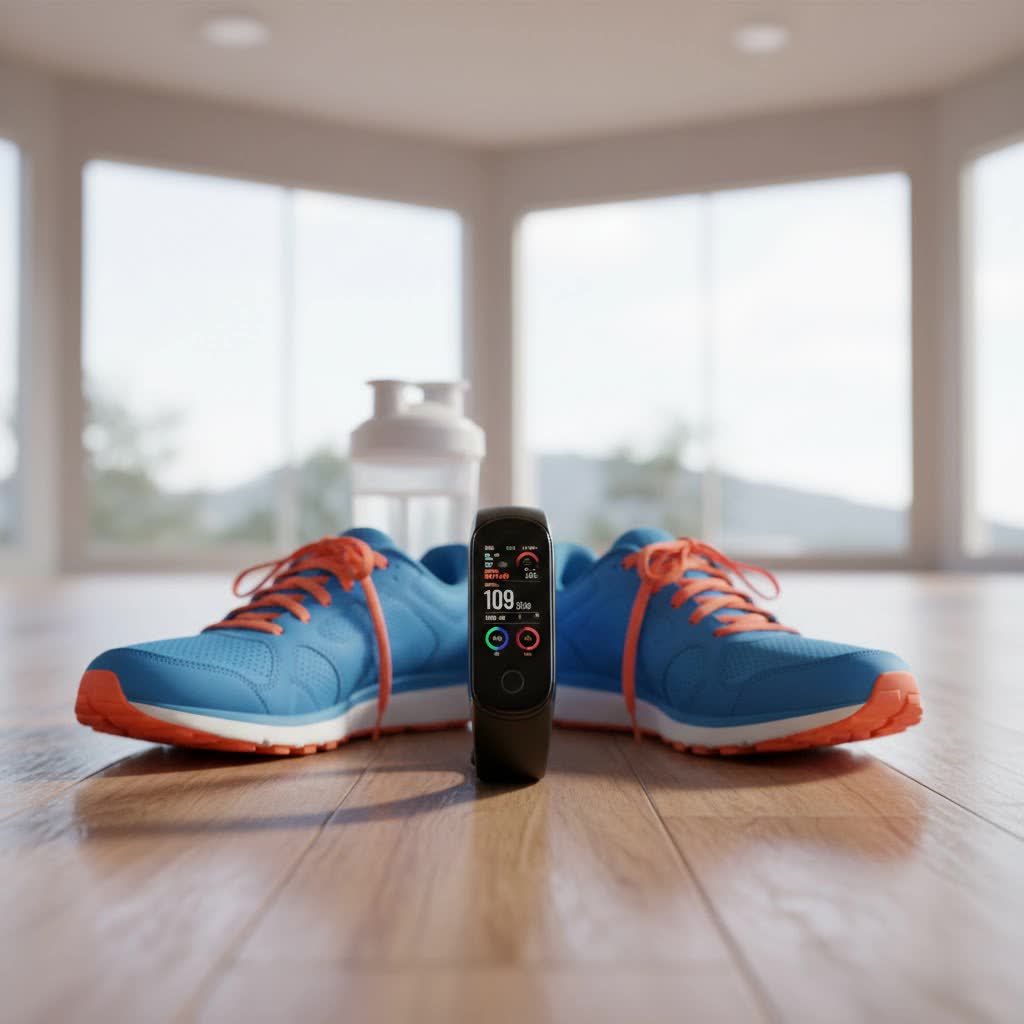
A fitness tracker watch is a wearable device, typically worn on your wrist, designed to monitor various aspects of your physical activity and overall health. Far beyond simply telling time, these gadgets record metrics such as steps taken, distance covered, calories burned, heart rate, and even sleep patterns. Some advanced models also track blood oxygen levels, stress, and provide ECG readings.
The benefits of integrating a fitness tracker watch into your daily routine are manifold. They offer personal accountability, providing a constant, objective record of your efforts, which can be incredibly motivating. By gaining insights into your daily physical activities and sleep quality, you can set smarter, more achievable fitness goals and track your progress over time. These devices often nudge you with reminders to move, helping you break sedentary habits. For those focused on specific health objectives, monitoring heart rate zones during workouts or identifying irregular heart rhythms can be life-changing. In essence, a fitness tracker watch empowers you with data to make informed decisions and cultivate healthier habits, ultimately enhancing your overall well-being.
Popular Types of Fitness Tracker Watches on the Market
The landscape of fitness trackers is diverse, primarily categorized by their form factor and feature sets. Understanding these distinctions is crucial when making a choice:
-
Fitness Bands: These are typically slimmer, more minimalistic wristbands with a focus purely on core fitness tracking. They often have smaller, simpler displays or no display at all, relaying most data to a smartphone app. They are generally more affordable and have longer battery life.
- Pros: Discreet, comfortable, long battery life, budget-friendly.
- Cons: Limited on-device display, fewer smartwatch features, often rely on phone for GPS.
- Examples: Xiaomi Smart Band series, Fitbit Inspire.
-
Fitness Watches (Hybrid or Basic Smartwatches): These devices resemble traditional watches but are packed with extensive fitness and health tracking capabilities. They feature larger displays, built-in GPS, and more advanced sensors. While offering robust health features, they may have fewer “smart” functionalities compared to full-fledged smartwatches.
- Pros: Comprehensive tracking, larger display, built-in GPS, on-device metrics.
- Cons: Can be bulkier, shorter battery life than bands, potentially higher price.
- Examples: Garmin Vivosmart, Fitbit Charge, Withings ScanWatch Light (hybrid).
-
Smartwatches with Advanced Fitness Tracking: These are essentially mini-computers for your wrist, offering extensive smartphone integration (calls, texts, apps) alongside powerful fitness and health monitoring. They often boast high-resolution color displays and advanced sensors.
- Pros: Full smartwatch functionality, extensive app ecosystem, cutting-edge health features, high-quality display.
- Cons: Highest price point, shortest battery life, often require daily charging.
- Examples: Apple Watch, Samsung Galaxy Watch, Garmin Venu/Forerunner series.
-
Smart Rings: A newer, more discreet form factor, these rings are worn on the finger and focus heavily on continuous health monitoring, especially sleep and recovery. They typically lack a display and communicate data solely through a companion app.
- Pros: Extremely discreet, comfortable for 24/7 wear (especially sleep), long battery life.
- Cons: No on-device display, limited real-time workout metrics, often require a subscription for full features.
- Examples: Oura Ring, Ultrahuman Ring Air, Samsung Galaxy Ring.
Comparison Table of Best Fitness Tracker Watches Today
To help you navigate the options, here’s a comparison of some highly-rated fitness tracker watches in the current market, highlighting their key features:
| Model | Type | Key Features | Battery Life | GPS | Compatibility | Price Range (Approx.) | Best For |
|---|---|---|---|---|---|---|---|
| Fitbit Luxe | Band | Stylish design, accurate HR, sleep, respiration, AMOLED display | Up to 7 days | No | Android/iOS | $100-$150 | Overall balanced tracking, style-conscious |
| Xiaomi Smart Band 9 | Band | Budget-friendly, 155 fitness modes, AMOLED display | Up to 21 days | No | Android/iOS | $30-$60 | Budget-conscious, basic tracking |
| Fitbit Charge 6 | Band | Built-in GPS, ECG, EDA stress sensor, HR to gym equipment, AMOLED display | Up to 7 days | Yes | Android/iOS | $150-$200 | Premium band, wide range of activities |
| Garmin Vivoactive 6 | Fitness Watch | Comprehensive health tracking, 11-day battery, built-in GPS, sleek design | Up to 11 days | Yes | Android/iOS | $250-$350 | Value-driven, extensive activity tracking |
| Apple Watch SE 2 | Smartwatch | Impressive built-in GPS, seamless iOS integration, safety features | 18 hours | Yes | iOS only | $250-$300 | iPhone users, true smartwatch experience |
| Samsung Galaxy Watch5 | Smartwatch | Advanced Sleep Coaching, auto workout tracking, customizable, curved sensor | 24-48 hours | Yes | Android/iOS | $200-$300 | Android users, comprehensive features |
| WHOOP 5.0 | Band (Screen-less) | Advanced recovery & sleep, HRV insights, personalized coaching, no screen | 14+ days | No | Android/iOS | Subscription-based | Serious athletes, deep recovery insights |
| Withings ScanWatch Light | Hybrid Watch | Analog style, small display, 30-day battery, HR, sleep, period tracking | Up to 30 days | Yes | Android/iOS | $200-$250 | Traditional watch look, long battery, health |
Note: Prices are approximate and can vary based on retailer and promotions.
Guide to Choosing the Right Fitness Tracker Watch
Selecting the ideal fitness tracker watch requires a thoughtful assessment of your personal needs and priorities. Here’s a structured approach to ensure you pick a device that truly serves you:
-
Define Your Needs and Goals:
- Activity Level: Are you a casual walker, a marathon runner, a swimmer, or a weightlifter? Your primary activities will dictate the features you need.
- Health Focus: Are you interested in general well-being, weight management, sleep improvement, heart health, or stress reduction?
- Motivation Style: Do you thrive on detailed data, simple step counts, social challenges, or quiet background monitoring?
-
Key Factors to Consider:
- Features:
- Core Tracking: Most trackers cover steps, distance, and calories.
- Heart Rate Monitor: Essential for exercise intensity and overall heart health. Many offer 24/7 monitoring and some include ECG.
- GPS (Built-in vs. Connected): Built-in GPS is crucial for accurate outdoor activity tracking without a phone. Connected GPS uses your phone’s GPS.
- Sleep Tracking: Monitors sleep stages and quality, often providing actionable insights.
- Blood Oxygen (SpO2): Useful for sleep apnea detection and overall respiratory health.
- Stress Monitoring/EDA: Measures physiological signs of stress.
- Water Resistance: Look for at least 5 ATM (50 meters) for swimming.
- Smart Features: Notifications, music control, contactless payments, voice assistant (more common in smartwatches).
- Accuracy: While no fitness tracker is 100% accurate, especially for calorie burn, most are consistent for heart rate, steps, and sleep, making them valuable for tracking trends. Repetition counting for strength training is often less precise.
- Battery Life: Ranges from 18 hours (Apple Watch) to several weeks (some bands, hybrid watches). Consider your charging habits and need for continuous tracking. GPS usage significantly reduces battery life.
- Design and Comfort: A tracker works best when worn consistently. Choose a style (band, watch, ring) and material that is comfortable for all-day and night wear. Consider adjustability and aesthetic appeal.
- Display: Options range from no screen (WHOOP), simple monochrome OLED, to vibrant, full-color AMOLED touchscreens. Factor in readability, especially in direct sunlight.
- App Compatibility and Ecosystem: Ensure the tracker is compatible with your smartphone (iOS/Android) and that the companion app offers the data visualization, goal setting, and community features you desire.
- Budget: Fitness trackers vary widely in price, from under $50 to over $600. Determine what features you value most and how much you’re willing to spend. Higher prices often mean more advanced features, better build quality, and more accurate sensors.
- Features:
Top Fitness Tracker Watches Reviewed
Here’s a closer look at some of the most acclaimed fitness tracker watches of the current year, providing a blend of comprehensive features, style, and value:
1. Fitbit Charge 6: The Feature-Packed All-Rounder
|
Our Picks for the Best Fitness Tracker in 2026
As an Amazon Associate I earn from qualifying purchases.
|
||
| Num | Product | Action |
|---|---|---|
| 1 | Fitbit Inspire 3 Health &-Fitness-Tracker with Stress Management, Workout Intensity, Sleep Tracking, 24/7 Heart Rate and more, Midnight Zen/Black One Size (S & L Bands Included) |

|
| 2 | MorePro Fitness Tracker(Answer/Make Call), 1.83” Health Fitness Watch with Heart Rate, Blood Pressure,SpO2 and Sleep Monitor, 100+ Sports Modes, IP68 Waterproof Smart Watch for Men Women |
|
| 3 | Fitness Tracker with Heart Rate/Blood Oxygen/Sleep Monitor, 20+ Sports Modes Smart Watches for Women/Men, Activity & Step Tracker Smart Watch for Android/iOS Phones |
|
| 4 | USMECBL Fitness Trackers,Smart Band 24/7 Health Monitoring,Blood Oxygen Heart Rate Sleep Monitor,Calorie Pedometer Steps Counter Activity watchs/Notifications for iOS/Android |
|
| 5 | Fitbit Charge 6 Fitness Tracker with Google apps, Heart Rate on Exercise Equipment, 6-Months Premium Membership Included, GPS, Health Tools and More, Obsidian/Black, One Size (S & L Bands Included) |
|
| 6 | Garmin Forerunner 55, GPS Running Watch with Daily Suggested Workouts, Up to 2 Weeks of Battery Life, Black - 010-02562-00 |
|
| 7 | EnergyPort Purple Fitness Tracker with Quartz Display - Smart Bracelet Monitor Heart Rate, Sleep, IP68 Waterproof for Women, 30-Day Battery Life, Smart Notifications, Compatible with Android and iOS |
|
| 8 | WHOOP 5.0/MG Activity Tracker - 12 Month Membership - Health and Fitness Wearable – 24/7 Activity and Sleep Tracker, Personalized Coaching, Menstrual Cycle Insights – 14+ Days Battery Life |
|
| 9 | Fitness Tracker with 24/7Heart Rate, Blood Pressure, Sleep Tracking, Calorie, Activity Tracker with 1.1" AMOLED Color Screen, Waterproof Step Tracker for Android iPhones Women Men |
|
| 10 | GANSI Smart Ring for Women & Men - IP68 Waterproof Fitness Tracker -Sleep Tracking Heart Rate Healthy Monitor - Activity/Steps/Calories - for iOS & Android 10# |
|
The Fitbit Charge 6 is often lauded as the best premium fitness band, offering a robust set of features in a sleek design. It stands out with built-in GPS, allowing you to track outdoor activities without your phone, an ECG app for heart health assessments, and an EDA sensor for stress management. Its vibrant AMOLED display provides clear access to your stats, and it can even relay your heart rate to compatible gym equipment. With up to 7 days of battery life, it’s a versatile choice for a wide range of activities. Users praise its strong companion app for sleep tracking and detailed insights.
2. Garmin Vivoactive 6: Value and Versatility
The Garmin Vivoactive 6 is a strong contender for those seeking a comprehensive fitness watch that offers exceptional value. It boasts an impressive 11-day battery life in smartwatch mode, making it ideal for multi-day adventures or simply less frequent charging. This watch excels in activity tracking, supporting various cardio, strength training, and yoga workouts with ease. It features built-in GPS, a sleek design, and seamlessly integrates with the powerful Garmin Connect app, which provides extensive data analysis and training plans. Its user-friendly interface makes it accessible even for those new to fitness trackers.
3. Apple Watch SE 2: The Best for iPhone Users
For Apple enthusiasts, the Apple Watch SE 2 delivers the quintessential smartwatch experience with excellent fitness tracking. While more of a smartwatch, its integration with the iOS ecosystem is unparalleled. It features an impressive built-in GPS, accurate heart rate tracking, and a wide array of third-party fitness apps. Crucially, it includes safety features like Car Crash Detection. Although its 18-hour battery life means daily charging, its comfort, vibrant OLED display, and seamless communication capabilities make it the top choice for iPhone users.
4. Samsung Galaxy Watch5: The Android Powerhouse
The Samsung Galaxy Watch5 is the go-to fitness smartwatch for Android users, especially those within the Samsung ecosystem. It offers Advanced Sleep Coaching, automatic workout tracking, and a curved sensor design for more accurate health readings. Users appreciate its customizable watch faces and bands. It provides comprehensive health metrics, including heart rate, sleep stages, and body composition. While its battery life is typically 24-48 hours, it offers a rich blend of smartwatch features and advanced fitness monitoring, all integrated with the Samsung Health app.
5. WHOOP 5.0: The Recovery Specialist (Screen-less)
The WHOOP 5.0 offers a unique, screen-less experience focused on providing deep insights into recovery, sleep, and physiological strain. This band is favored by serious athletes and individuals keen on optimizing their training based on their body’s readiness. It continuously tracks heart rate, HRV (Heart Rate Variability), and body temperature, delivering personalized coaching through its subscription-based app. With a battery life of over 14 days and on-wrist charging, it’s designed for continuous, distraction-free monitoring, allowing you to fine-tune your performance and avoid overtraining.
How to Use and Maintain Your Fitness Tracker Watch
Getting the most out of your fitness tracker watch involves proper setup, understanding its basic functions, and regular care.
Setting Up and Synchronizing
- Charge and Power On: Fully charge your new device before its first use.
- Download the Companion App: Search for the brand’s official app (e.g., Fitbit app, Garmin Connect, Apple Health) on your smartphone’s app store.
- Create an Account: Follow the app’s instructions to create a profile, inputting personal details like age, height, weight, and gender for more accurate tracking.
- Pair via Bluetooth: Enable Bluetooth on your smartphone and follow the app’s prompts to pair your device. This usually involves selecting your tracker from a list and confirming a code.
- Initial Sync: Allow the tracker to sync its initial data with the app.
Using Basic Features
- Step Tracking: Wear your device consistently. Most trackers automatically count steps throughout the day.
- Heart Rate Monitoring: Many devices offer continuous heart rate monitoring. During workouts, you can often see your real-time heart rate on the display or in the app.
- Workout Tracking: Select specific activity modes (e.g., running, swimming, yoga) on your device or in the app to get tailored metrics for that workout.
- Sleep Tracking: Simply wear your tracker to bed. It will automatically detect sleep stages and provide a report in the morning via the app.
- Notifications: Once synced, your tracker can display alerts for calls, texts, and app notifications, depending on its capabilities.
Maintenance and Care
- Regular Cleaning: Clean your tracker regularly, especially the sensors on the back, with a soft, damp cloth to prevent skin irritation and ensure accurate readings. Avoid harsh chemicals.
- Charging: Follow manufacturer guidelines for charging. Don’t overcharge, and use the provided charger.
- Water Resistance: Be aware of your device’s specific water resistance rating. While many are suitable for swimming (5 ATM), avoid hot tubs or saunas unless explicitly stated.
- Software Updates: Keep your device’s firmware and companion app updated to ensure optimal performance and access to new features.
Important Notes When Using a Fitness Tracker Watch
While fitness tracker watches are incredible tools, it’s crucial to approach them with a balanced perspective:
- Accuracy Limitations: No fitness tracker is 100% medically accurate. While consistent for trends in steps, heart rate, and sleep, specific metrics like calorie expenditure can have a significant margin of error. They are designed for general wellness and fitness tracking, not as medical diagnostic tools.
- Professional Consultation: Fitness trackers provide valuable data, but they are not a substitute for professional medical advice. If you have significant health concerns, always consult with a healthcare provider.
- Avoid Over-Reliance: As highlighted by some experts, an extreme focus on data can, in rare cases, lead to negative health consequences such as over-exercising or developing disordered eating habits. It’s essential to use the data as a guide for healthy habits, not as an obsessive measure of self-worth.
- Expert Advice: “Fitness trackers are excellent tools for building awareness of daily movement and physiological trends,” says Almoni Ellis, C.S.C.S., a personal trainer. “This data is vital for setting and achieving fitness goals, but it should always be interpreted in the context of your overall health and lifestyle, not in isolation.”
Conclusion
Fitness tracker watches have evolved into sophisticated companions that can genuinely transform your approach to health and well-being. From basic step counting to advanced physiological monitoring, there’s a device for every need and budget. By understanding their functions, choosing wisely, and using them thoughtfully, you can harness the power of data to motivate yourself, set meaningful goals, and embark on a more active, healthier life.
Which feature are you most excited to track on your fitness journey?
Frequently Asked Questions
Is a fitness tracker watch better than a smartwatch?
It depends on your priorities. Fitness tracker watches (like bands) are generally more focused on health metrics, are often smaller, more affordable, and have longer battery life. Smartwatches offer broader functionality, integrating with your smartphone for calls, messages, and a wider range of apps, in addition to fitness tracking. If fitness is your primary goal and you want fewer distractions, a dedicated fitness tracker might be better. If you want an extension of your phone with robust fitness features, a smartwatch is ideal.
Are fitness tracker watches waterproof?
Many fitness tracker watches are water-resistant to varying degrees. Most commonly, they are rated 5 ATM, meaning they can withstand pressures equivalent to a depth of 50 meters, making them suitable for swimming and showering. However, it’s essential to check the specific water resistance rating of your model, as not all are designed for prolonged submersion or high-impact water sports.
How accurate are fitness tracker watches for heart rate and steps?
Modern fitness tracker watches generally provide reasonably accurate data for heart rate and step counts. They use optical sensors for heart rate and accelerometers for steps. While there can be minor discrepancies compared to medical-grade equipment or manual counting, they are consistent enough to track trends and provide valuable insights into your activity levels and cardiovascular health.
Can a fitness tracker watch help with weight loss?
Yes, a fitness tracker watch can be a helpful tool for weight loss. By tracking your activity levels (steps, workouts, calories burned) and potentially allowing you to log food intake via a companion app, it helps you become more aware of your energy balance. This awareness can motivate you to increase physical activity and make healthier dietary choices, which are crucial components of a successful weight loss journey.
Do I need a smartphone to use a fitness tracker watch?
While many fitness tracker watches can display basic information like time, steps, and heart rate directly on the device, a smartphone is typically necessary for full functionality. The companion app on your smartphone is usually required for initial setup, detailed data analysis, goal setting, viewing historical trends, and receiving notifications.
