Have you ever wondered if there’s a simpler way to understand your health and boost your fitness journey? In today’s fast-paced world, staying on top of our well-being can feel like a marathon itself. That’s where a good fitness tracker comes in—a powerful, wearable companion designed to demystify your body’s signals and guide you toward a healthier, more active life. This comprehensive guide will navigate the exciting landscape of fitness trackers, helping you find the perfect device that aligns with your unique needs and aspirations.
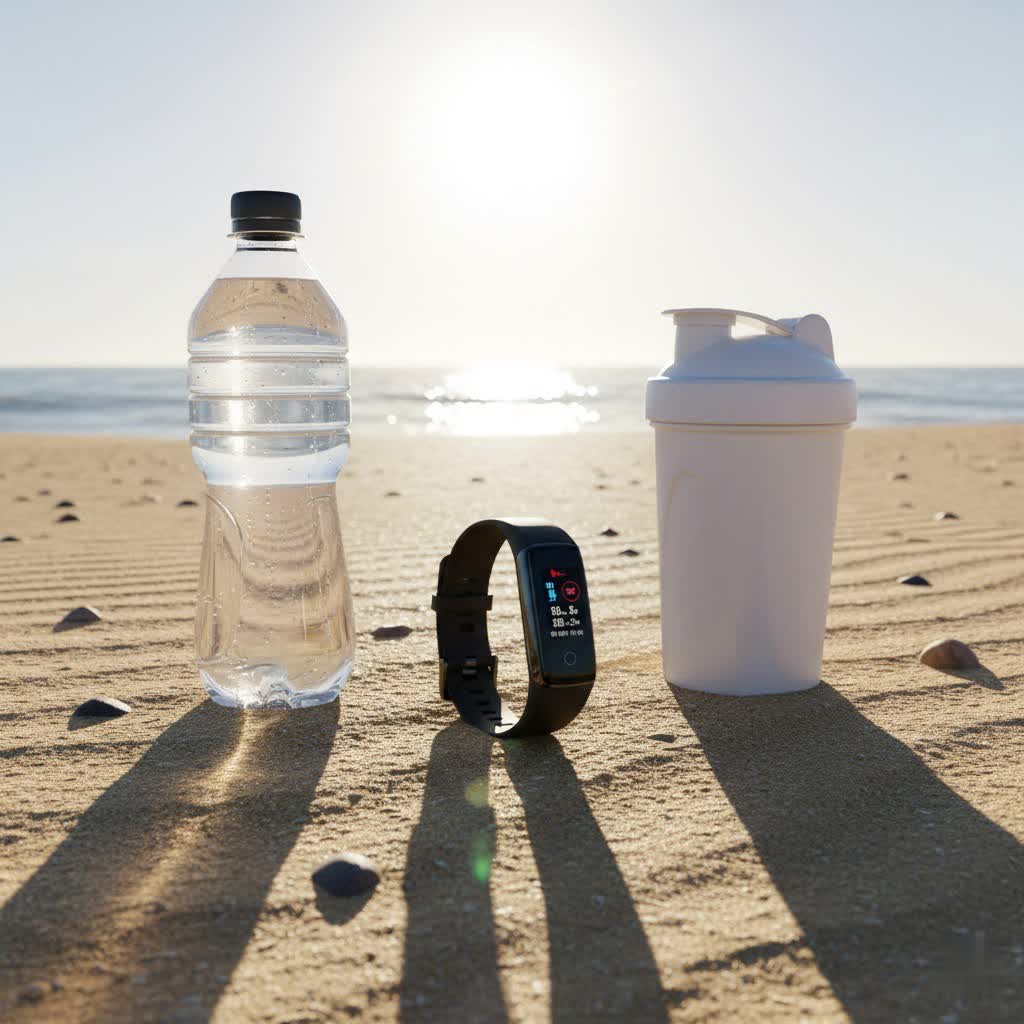
What is a Fitness Tracker? Why Do You Need One?
At its core, a fitness tracker is a wearable device that monitors various aspects of your physical activity, exercise, and overall health. Far beyond simply counting steps, modern fitness trackers have evolved into sophisticated instruments capable of providing a wealth of data about your body. From basic step counts to advanced physiological metrics, these devices serve as your personal health dashboard, empowering you with actionable insights.
The benefits of integrating a fitness tracker into your daily routine are manifold. They serve as a constant motivator, encouraging you to move more, sleep better, and manage stress effectively. By offering real-time feedback and progress reports, a tracker helps you set realistic goals and celebrate milestones, transforming abstract health objectives into tangible achievements. Whether you’re an elite athlete aiming for peak performance, someone looking to establish healthier habits, or simply curious about your body’s rhythms, a fitness tracker can be an invaluable tool. It caters to a wide audience, from gym enthusiasts and outdoor adventurers to individuals prioritizing daily wellness and sleep quality.
Types of Fitness Trackers on the Market
The diversity in the fitness tracker market means there’s a device for nearly every preference and lifestyle. These wearables generally fall into a few key categories based on their form factor and primary functions.
Firstly, we have Fitness Bands, which are typically slim, lightweight wristbands focused primarily on activity and health tracking. They are often less intrusive and more budget-friendly. Their advantages include discreet design, long battery life, and core tracking capabilities such as steps, heart rate, and sleep. However, they usually have smaller screens, limited smartwatch features, and less advanced GPS.
Next are Smartwatches with Fitness Tracking Capabilities. Devices like the Apple Watch or Samsung Galaxy Watch blend comprehensive smartwatch functionality with robust fitness and health monitoring. They boast vibrant displays, extensive app ecosystems, advanced health sensors (ECG, blood oxygen), and often built-in GPS. While highly versatile, their battery life is generally shorter (often requiring daily charging), and they tend to come with a higher price tag.
An emerging category includes Smart Rings like the Oura Ring. These non-display wearables offer discreet, continuous health monitoring, excelling particularly in sleep and recovery tracking by measuring heart rate, heart rate variability (HRV), and body temperature. Their key benefits are comfort, minimal invasiveness, and focus on holistic health data. The main drawback is the lack of a screen for real-time data and often a subscription model to unlock full features.
Finally, there are Dedicated Sports Watches, primarily from brands like Garmin, designed for serious athletes. These devices prioritize rugged durability, highly accurate GPS, advanced training metrics, and exceptional battery life for extended outdoor activities. They often come with specialized features for running, cycling, swimming, and even diving, making them indispensable for multisport athletes.
Comparing Top Fitness Trackers: 2026 Edition
Choosing the “best” fitness tracker depends entirely on your personal priorities. To help you navigate the options, here’s a comparison of some of the top-rated models popular in 2026, highlighting their strengths across key criteria.
| Model | Key Features | Accuracy (General) | Battery Life | Price Range | Best For |
|---|---|---|---|---|---|
| Fitbit Charge 6 | HR, ECG, EDA, GPS, Google apps (Wallet, Maps, YouTube Music) | Very Good | Up to 7+ days | Mid-range | Everyday use, general health & wellness |
| Garmin Venu 3 | AMOLED display, HR, SpO2, GPS, sleep tracking, speaker/mic, body battery | Excellent | Up to 14 days | Mid-to-high | Balanced health & fitness, active lifestyle |
| Apple Watch Series 10 | Advanced HR (ECG), SpO2, extensive app ecosystem, cellular, fall detection | Excellent | 18-36 hours | Premium | iOS users, comprehensive smartwatch & health |
| WHOOP Strap 5.0 | Screenless, 24/7 HR, HRV, sleep, recovery, stress, personalized coaching | Excellent | 4-5 days | Subscription-based | Data-driven athletes, recovery focus |
| Oura Ring Gen 4 | Discreet, HR, HRV, body temp, sleep stages, recovery insights | Very Good | Up to 7 days | Premium + Subscription | Holistic health, sleep tracking, unobtrusive |
| Samsung Galaxy Watch 7 | HR, ECG, SpO2, BIA, Wear OS, extensive app support, Google integration | Very Good | 1.5-2 days | Premium | Android users, comprehensive smartwatch & health |
| Xiaomi Smart Band 9 | HR, SpO2, basic activity, sleep, large AMOLED, waterproof, budget-friendly | Good | Up to 14 days | Budget | Basic tracking, value-conscious users |
This table offers a snapshot, but each device has nuances that warrant a deeper look. The Garmin Venu 3, for instance, stands out for its blend of accurate metrics and user-friendly interface, making it a strong contender for overall use. The Apple Watch Series 10 continues its dominance for iPhone users, offering unparalleled integration and a vast array of features. For those who prefer a less conspicuous device focused purely on data, the WHOOP Strap 5.0 or Oura Ring Gen 4 provide exceptional insights into recovery and sleep, albeit with subscription models.
How to Choose the Right Fitness Tracker for You
Selecting the perfect fitness tracker involves a thoughtful assessment of your personal needs, lifestyle, and fitness aspirations. Here’s a step-by-step guide to help you make an informed decision:
-
Define Your Fitness Goals: Start by asking yourself: What do you want to achieve? Are you aiming to increase daily steps, improve sleep quality, train for a marathon, manage stress, or monitor a specific health condition? Your goals will dictate the features you need. A casual walker might only need basic step counting, while a serious runner will benefit from advanced GPS and performance metrics.
-
Prioritize Key Features: Once your goals are clear, identify the essential features.
- Activity Tracking: Do you need multi-sport modes, automatic exercise recognition, or simply step and calorie counting?
- Health Monitoring: Is continuous heart rate, ECG, blood oxygen (SpO2), or stress tracking crucial?
- GPS: Essential for accurate outdoor activity tracking without carrying your phone.
- Battery Life: Consider how often you’re willing to charge. A few days? A week? Or longer for expeditions?
- Water Resistance: Important for swimmers or those who want to wear their device in the shower. Look for ratings like 5 ATM or 50 meters.
- Design and Comfort: Will you wear it 24/7, including during sleep? Aesthetics and comfort play a huge role in consistent usage.
- Compatibility: Ensure it works seamlessly with your smartphone (iOS or Android). Check the accompanying app’s user-friendliness and data presentation.
-
Set Your Budget: Fitness trackers span a wide price range. Determine how much you’re willing to spend. Remember to factor in potential subscription costs for advanced features or premium app access. While budget options can be surprisingly capable, premium models often offer greater accuracy, more features, and better build quality.
-
Read Reviews and Expert Opinions: Consult reliable reviews and recommendations from fitness experts. Pay attention to real-world experiences regarding accuracy, durability, and customer support.
> “The most accurate fitness tracker is the one you actually wear consistently. Focus on comfort, ease of use, and features that truly motivate you.” – Dr. Alex Chen, Sports Medicine Physician
By carefully considering these factors, you can narrow down your choices and find a fitness tracker that truly supports your journey towards better health.
Top Fitness Trackers Popular in 2026
The market for fitness trackers is constantly evolving, with new innovations emerging each year. In 2026, several devices stand out for their exceptional performance, features, and user satisfaction.
Fitbit Charge 6: The Everyday Champion
|
Our Picks for the Best Fitness Tracker in 2026
As an Amazon Associate I earn from qualifying purchases.
|
||
| Num | Product | Action |
|---|---|---|
| 1 | MorePro Fitness Tracker(Answer/Make Call), 1.83” Health Fitness Watch with Heart Rate, Blood Pressure,SpO2 and Sleep Monitor, 100+ Sports Modes, IP68 Waterproof Smart Watch for Men Women |

|
| 2 | GANSI Smart Ring for Women & Men - IP68 Waterproof Fitness Tracker -Sleep Tracking Heart Rate Healthy Monitor - Activity/Steps/Calories - for iOS & Android 10# |
|
| 3 | Fitness Tracker with Heart Rate/Blood Oxygen/Sleep Monitor, 20+ Sports Modes Smart Watches for Women/Men, Activity & Step Tracker Smart Watch for Android/iOS Phones |
|
| 4 | Fitbit Charge 6 Fitness Tracker with Google apps, Heart Rate on Exercise Equipment, 6-Months Premium Membership Included, GPS, Health Tools and More, Obsidian/Black, One Size (S & L Bands Included) |
|
| 5 | USMECBL Fitness Trackers,Smart Band 24/7 Health Monitoring,Blood Oxygen Heart Rate Sleep Monitor,Calorie Pedometer Steps Counter Activity watchs/Notifications for iOS/Android |
|
| 6 | WHOOP 5.0/MG Activity Tracker - 12 Month Membership - Health and Fitness Wearable – 24/7 Activity and Sleep Tracker, Personalized Coaching, Menstrual Cycle Insights – 14+ Days Battery Life |
|
| 7 | Garmin Forerunner 55, GPS Running Watch with Daily Suggested Workouts, Up to 2 Weeks of Battery Life, Black - 010-02562-00 |
|
| 8 | Fitbit Inspire 3 Health &-Fitness-Tracker with Stress Management, Workout Intensity, Sleep Tracking, 24/7 Heart Rate and more, Midnight Zen/Black One Size (S & L Bands Included) |
|
| 9 | EnergyPort Purple Fitness Tracker with Quartz Display - Smart Bracelet Monitor Heart Rate, Sleep, IP68 Waterproof for Women, 30-Day Battery Life, Smart Notifications, Compatible with Android and iOS |
|
| 10 | Fitness Tracker with 24/7Heart Rate, Blood Pressure, Sleep Tracking, Calorie, Activity Tracker with 1.1" AMOLED Color Screen, Waterproof Step Tracker for Android iPhones Women Men |
|
The Fitbit Charge 6 continues its reign as a top choice for general health and wellness tracking. It strikes an excellent balance between advanced features and an accessible price point. Boasting built-in GPS, ECG (electrocardiogram) for heart rhythm assessment, and EDA (electrodermal activity) sensors for stress management, the Charge 6 provides comprehensive insights into your health. Its integration with Google services like Google Wallet for contactless payments and Google Maps for on-wrist navigation adds significant convenience. Users appreciate its comfortable design and impressive battery life of up to seven days, making it ideal for continuous tracking without frequent recharges. While some advanced metrics are tied to a Fitbit Premium subscription, the core features offer substantial value.
Garmin Venu 3: The Versatile All-Rounder
For those seeking a more robust experience that bridges the gap between a fitness tracker and a full-fledged smartwatch, the Garmin Venu 3 is a standout. It features a stunning AMOLED display, making data clear and vibrant even in direct sunlight. The Venu 3 excels in accurate GPS tracking for a multitude of activities, from running to cycling, and offers in-depth metrics like heart rate, blood oxygen saturation (SpO2), and Garmin’s proprietary Body Battery energy monitoring. It also includes a speaker and microphone, allowing for calls directly from your wrist when connected to your phone. With a battery life of up to 14 days, it surpasses many smartwatches, making it a favorite for active individuals who want comprehensive tracking without constant charging.
Apple Watch Series 10: The Smart Ecosystem Powerhouse
For iPhone users, the Apple Watch Series 10 remains the gold standard. It delivers an unparalleled integration with the Apple ecosystem, offering seamless notifications, calls, and access to a vast array of third-party apps. Its advanced health sensors, including an electrical heart sensor for ECGs and a blood oxygen sensor, provide crucial health insights. The Series 10 also features robust fitness tracking with numerous workout modes, advanced metrics, and strong GPS capabilities. While its battery life typically lasts 18-36 hours, requiring daily charging, its comprehensive features, user-friendly interface, and life-saving functionalities like fall detection make it a premium choice for those invested in the Apple universe.
WHOOP Strap 5.0: For the Data-Driven Athlete
The WHOOP Strap 5.0 takes a unique approach by being screenless and focusing entirely on delivering actionable insights into your recovery, sleep, and training. It continuously monitors heart rate, heart rate variability (HRV), skin temperature, and sleep stages, providing a daily “Recovery Score” and “Strain Score” to guide your training intensity. It’s particularly favored by serious athletes and fitness enthusiasts who want deep physiological data to optimize performance and prevent overtraining. The device operates on a subscription model, which grants access to its comprehensive analytics and personalized coaching. Its discreet design allows it to be worn in various ways, and its long battery life (4-5 days) with an on-the-go charging pack ensures continuous data collection.
Using and Maintaining Your Fitness Tracker
To get the most out of your fitness tracker, proper setup, consistent use, and regular maintenance are key.
Getting Started:
Upon unboxing, the first step is typically to charge your device fully and then download the accompanying app on your smartphone. Most trackers will guide you through a quick pairing process via Bluetooth. During setup, you’ll enter personal details such as age, height, weight, and gender, which are crucial for accurate calorie burn and activity estimates. Take the time to customize your settings, including display preferences, notification alerts, and specific fitness goals. Many apps offer tutorials that walk you through the various features, from tracking daily steps to logging specific workouts.
Maximizing Features:
Explore all the capabilities of your tracker. If it has GPS, utilize it for outdoor runs or rides to get precise distance and pace data. Experiment with different workout modes to ensure accurate tracking for various activities. Pay attention to sleep tracking insights—many apps provide scores or recommendations to improve your sleep hygiene. For models with stress tracking or mindfulness features, integrate them into your routine to better understand and manage your daily stress levels. Regularly syncing your device with its app is vital to store your data, track trends over time, and receive updated insights.
Care and Cleaning:
Fitness trackers are designed for daily wear, but proper care prolongs their lifespan and maintains accuracy. Clean your device regularly, especially the sensors on the back, with a soft, damp cloth to remove sweat, dirt, and body oils. For silicone bands, mild soap and water can be used. Avoid harsh chemicals or abrasive materials that could damage the device. If your tracker is water-resistant, be mindful of its specific rating; while some are fine for swimming, others are only splash-proof. Always ensure the device is dry before charging. Store your tracker in a safe place when not in use to prevent scratches or damage.
Important Considerations for Fitness Tracker Users
While fitness trackers are incredibly beneficial, it’s important to approach their data with a balanced perspective.
Accuracy Limitations:
While modern fitness trackers offer impressive accuracy, especially in controlled environments, they are consumer-grade devices and not medical instruments. Heart rate readings from optical sensors, for example, can be influenced by factors like skin tone, tattoo placement, and movement intensity, making chest straps generally more accurate for intense workouts. Similarly, calorie burn estimates are based on algorithms and personal data, so they serve as good approximations rather than exact figures. It’s best to use the data as a guide for trends and motivation, rather than as definitive medical diagnostics.
Health Insights vs. Medical Advice:
Fitness trackers can provide valuable insights into your general health and well-being, highlighting potential patterns in sleep, activity, or heart rate that might warrant attention. However, any alerts or data anomalies should be discussed with a healthcare professional. Never substitute information from your fitness tracker for professional medical advice or diagnosis. If you have specific health concerns or pre-existing conditions, consult your doctor before relying solely on tracker data for health management decisions.
Subscription Models:
Be aware that many advanced features and detailed analytics offered by popular fitness tracker brands, such as Fitbit Premium or WHOOP, often come with a monthly or annual subscription fee. Factor these potential ongoing costs into your decision-making process. While the basic tracking features are usually free, the premium services can unlock deeper insights, personalized coaching, and exclusive content that might enhance your experience.
By understanding these considerations, you can use your fitness tracker responsibly and effectively, harnessing its power to support your health journey without misinterpreting its capabilities.
Conclusion
Choosing a good fitness tracker means finding a device that seamlessly integrates into your life, motivates you, and provides meaningful insights into your health. Whether you’re a casual exerciser or a dedicated athlete, the market in 2026 offers an incredible array of options, from the versatile Fitbit Charge 6 to the advanced Garmin Venu 3 and the comprehensive Apple Watch Series 10. By prioritizing your personal goals, desired features, and budget, you can empower yourself with a tool that not only tracks your progress but inspires a healthier, more informed lifestyle.
Ready to take the next step in understanding your body better? Which feature are you most excited to monitor with your new fitness tracker?
Frequently Asked Questions
What is the most important feature to look for in a fitness tracker?
The most crucial feature depends on your primary goal. For overall health, a reliable heart rate monitor and sleep tracking are key. If you’re an outdoor athlete, accurate GPS is essential. Always prioritize features that align with how you plan to use the device most frequently.
Can fitness trackers help with weight loss?
Yes, fitness trackers can be highly effective tools for weight loss by monitoring activity levels, calorie burn, and encouraging consistent movement. They provide data that helps users stay accountable and make informed decisions about their exercise and diet, supporting a structured approach to weight management.
How accurate are fitness trackers for heart rate monitoring?
Modern fitness trackers offer generally good accuracy for heart rate monitoring, especially during steady-state activities. However, their optical sensors can be less precise during very high-intensity interval training or activities with a lot of wrist movement compared to traditional chest straps. Always consider them a guide rather than medical-grade accuracy.
