In a world driven by performance and constant activity, understanding your body’s intricate signals has become paramount for achieving true peak physical and mental states. Many fitness trackers promise to help, but few delve as deeply into the science of recovery and strain as the Whoop fitness tracker. It’s not just about counting steps; it’s about optimizing every aspect of your physiological well-being to ensure you’re always ready to perform at your best. This article will explore what makes Whoop a unique and powerful tool, its advanced features, how it compares to other devices, and ultimately, whether it’s the right investment for your health journey.
What is a Whoop Fitness Tracker? Why Do You Need One?
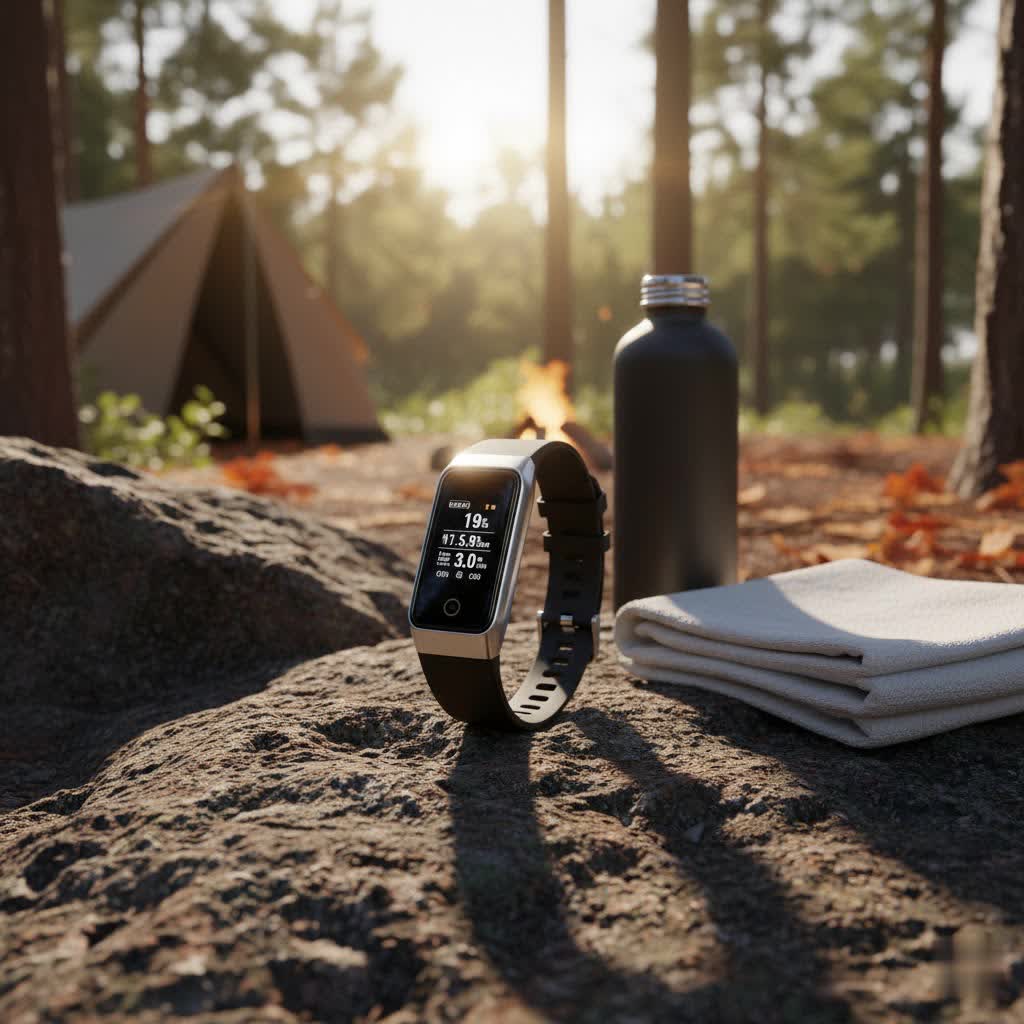
A Whoop fitness tracker is a screenless, band-style wearable device designed to provide continuous, in-depth physiological monitoring. Unlike traditional smartwatches that offer a myriad of features like notifications and time display, Whoop strips away distractions to focus solely on your body’s vital metrics. Its core purpose is to help users understand their recovery, strain, and sleep — three pillars crucial for optimizing health and performance.
You might need a Whoop if you’re an athlete, a dedicated fitness enthusiast, or simply someone committed to a holistic approach to their health. Whoop gathers metrics such as Heart Rate, Heart Rate Variability (HRV), sleep stages (Light, REM, Deep), respiratory rate, skin temperature, and blood oxygen levels (SpO2) 24/7. These continuous data streams are processed to give you a daily Recovery score, which dictates how prepared your body is for exertion, and a Strain score, which quantifies the physical and mental stress you accumulate throughout the day. By understanding these metrics, Whoop provides personalized insights that can lead to improved sleep quality, optimized training schedules, better habit formation, and even early detection of potential illness or overtraining.
Whoop Models and Features: 4.0 vs. 5.0 (and Medical Grade)
Whoop has evolved its technology to deliver increasingly precise and comprehensive data. While the Whoop 4.0 introduced significant advancements, the newer Whoop 5.0 takes physiological tracking to another level.
The Whoop 4.0 was a major step forward, being 33% smaller than its predecessor while maintaining a respectable 5-day battery life. It integrated advanced sensors including 5 LEDs and 4 photodiodes for more accurate heart rate measurements. Key features of the 4.0 included skin temperature tracking, blood oxygen (SpO2) monitoring, haptic alerts for its Sleep Coach, and the Health Monitor—an in-app dashboard providing real-time vital stats that could be exported as a PDF for medical or coaching use. The innovative, waterproof slide-on battery pack also allowed for charging without removing the device, ensuring uninterrupted data collection.
Building on this foundation, the Whoop 5.0 (released August 2025) offers further enhancements. Most notably, it extends battery life to approximately 14 days, a significant upgrade for continuous wear. The 5.0 also introduces medical-grade features such as an Electrocardiogram (ECG) sensor with Afib irregular heart rhythm detection and the Healthspan feature, which offers insights into your biological age compared to your chronological age. These advanced capabilities, alongside improvements in processor speed for faster syncing and workout auto-detection, solidify Whoop’s position as a leader in performance and health tracking.
Beyond the core device, Whoop also offers Any-Wear Technology through its Whoop Body apparel line. This allows the Whoop sensor to be detached from the wrist strap and inserted into specially designed clothing (e.g., sports bras, compression tops, boxers), providing alternative, often more accurate, tracking locations for specific activities or comfort preferences.
Whoop’s Unique Subscription Model and Pricing Tiers
Unlike most fitness trackers that involve a one-time purchase of the device, Whoop operates on a subscription-based model, where the hardware itself is often included free with a membership. This model ensures continuous access to cutting-edge data analysis, regular software updates, and the evolving ecosystem of Whoop features.
The pricing structure is designed with flexibility, typically offering annual or 24-month commitments at a reduced monthly rate compared to shorter terms. Whoop offers three primary membership tiers:
- WHOOP One: Priced at $149 for the first year (then $199 renewal), this tier includes a certified pre-owned 4.0 sensor and provides core fitness and recovery insights, Strain & Sleep tracking, Strength Trainer, VO2 Max, AI Coach, and Journal & Behavior Impact features.
- WHOOP Peak: At $239 annually, this membership includes a 5.0 sensor and builds upon Whoop One by adding the Health Monitor, Stress Monitor, and Healthspan features (Whoop Age & Pace of Aging).
- WHOOP Life: The most comprehensive tier, priced at $359 annually, comes with a 5.0 Medical Grade sensor. It includes all Peak features plus advanced medical insights like Blood Pressure Insights, Heart Screener (ECG & Irregular Heart Rhythm Notifications).
It’s important to note that new members typically enroll in an annual membership, with monthly pricing generally available for tenured members. Whoop also facilitates Family Plans, allowing 2-6 individuals to share a single annual bill while each retaining their individual device and full access to the app’s features. This unique approach means you’re investing in an ongoing service that continuously evolves, rather than just a piece of hardware.
How Does Whoop Compare to Other Fitness Trackers?
Whoop carves out a distinct niche in the crowded fitness tracker market by prioritizing depth over breadth, focusing intently on recovery and performance optimization. This approach sets it apart from more general-purpose wearables.
When compared to smartwatches like the Apple Watch or Garmin devices, Whoop’s differences are immediately apparent. Smartwatches offer a wide array of functionalities, including phone notifications, GPS navigation, mobile payments, and sometimes even ECG, alongside fitness tracking. However, their fitness metrics often provide a more general overview, and their battery life is typically shorter (e.g., Apple Watch offering 18-36 hours) compared to Whoop’s 5 to 14 days. Whoop’s screenless design is a deliberate choice, aiming to minimize distractions and maximize focus on physiological data. While an Apple Watch might track steps and general activity, Whoop goes deeper into how those activities impact your body’s readiness for the next challenge, making it appealing to serious athletes who need precise recovery guidance.
Against other dedicated sleep and recovery trackers like the Oura Ring, Whoop shares similar goals but differs in form factor and specific data collection. The Oura Ring, worn on a finger, is known for its discreetness and excellent sleep tracking. Whoop, typically worn on the wrist or bicep, leverages its continuous heart rate monitoring capabilities more extensively to calculate Strain and offers versatile wearing options through its Whoop Body apparel. The choice often comes down to personal preference for wearing location and the specific emphasis on workout strain versus overall wellness.
Whoop’s unique selling proposition lies in its hyper-focused approach to continuous, actionable physiological data. It doesn’t just present numbers; it interprets them to tell you if you’re ready to push hard or if you need to prioritize rest. The daily journal feature, which allows users to log habits and see their impact on recovery and sleep, is another distinctive offering that provides personalized insights beyond what many competitors offer.
Maximizing Your Whoop Experience: Usage Tips
To truly harness the power of your Whoop fitness tracker, consistent engagement and understanding its unique insights are key.
- Consistent Wear: For the most accurate and personalized data, wear your Whoop 24/7. Its comfortable design and waterproof nature (including the charging pack) make this feasible, even during showers or sleep. Continuous data collection allows the device to build a robust baseline of your physiology, leading to more precise recovery and strain recommendations.
- Utilize the Daily Journal: This is a crucial feature for gaining actionable insights. Each day, log habits such as caffeine intake, alcohol consumption, screen time before bed, or even eating habits. Over time, Whoop’s AI will analyze these inputs and show you how specific behaviors impact your sleep, recovery, and overall performance. For example, you might discover that late-night workouts consistently reduce your next-day recovery by a certain percentage, or that spending time in nature significantly boosts your HRV.
- Understand Your Scores: Pay attention to your daily Recovery, Strain, and Sleep scores. A green Recovery score indicates your body is well-rested and ready for intense activity, while a yellow or red score suggests you should prioritize rest or light activity. The Strain score helps you quantify your daily exertion, ensuring you challenge your body sufficiently without overdoing it.
- Strategic Charging: Whoop’s unique slide-on battery pack allows you to charge the device while it’s still on your wrist or bicep, preventing any gaps in data collection. Get into the habit of charging it during low-impact activities or when you’re sedentary to ensure continuous tracking.
- Clean and Maintain: Since Whoop is worn constantly, regular cleaning of both the sensor and the band is essential. Whoop offers various band materials, some of which are quicker drying, which can be beneficial for hygiene and comfort. Having a backup band can also be useful for swapping out while one is being cleaned.
By actively engaging with these features, you transform your Whoop from a simple data collector into a personalized coach that guides you toward optimal health and performance.
Pros and Cons of the Whoop System
Like any advanced technology, the Whoop fitness tracker comes with its own set of advantages and considerations.
Pros:
- Deep Physiological Insights: Whoop excels at providing highly detailed data on recovery, strain, sleep, HRV, and other key biometrics, offering a level of depth often missing in general fitness trackers.
- Focus on Recovery and Performance: Its primary focus on understanding your body’s readiness and how different activities impact it is invaluable for athletes and those aiming for optimal physical output.
- Comfortable and Discreet: The screenless, lightweight design makes it comfortable for 24/7 wear, blending seamlessly into daily life without the constant distractions of a smartwatch.
- Continuous Tracking: The ability to charge on-the-go with its battery pack ensures uninterrupted data collection, leading to a more complete and accurate picture of your health trends.
- Actionable Habit Analysis: The daily journal helps users identify how specific behaviors (e.g., alcohol, meditation, meal timing) directly influence their recovery and sleep, fostering better habits.
- Evolving Features: As a subscription service, Whoop frequently updates its software and introduces new features without requiring a new device purchase, as seen with the introduction of Healthspan and ECG with Whoop 5.0.
|
Our Picks for the Best Fitness Tracker in 2026
As an Amazon Associate I earn from qualifying purchases.
|
||
| Num | Product | Action |
|---|---|---|
| 1 | GANSI Smart Ring for Women & Men - IP68 Waterproof Fitness Tracker -Sleep Tracking Heart Rate Healthy Monitor - Activity/Steps/Calories - for iOS & Android 10# |

|
| 2 | Fitness Tracker with Heart Rate/Blood Oxygen/Sleep Monitor, 20+ Sports Modes Smart Watches for Women/Men, Activity & Step Tracker Smart Watch for Android/iOS Phones |
|
| 3 | Fitness Tracker with 24/7Heart Rate, Blood Pressure, Sleep Tracking, Calorie, Activity Tracker with 1.1" AMOLED Color Screen, Waterproof Step Tracker for Android iPhones Women Men |
|
| 4 | EnergyPort Purple Fitness Tracker with Quartz Display - Smart Bracelet Monitor Heart Rate, Sleep, IP68 Waterproof for Women, 30-Day Battery Life, Smart Notifications, Compatible with Android and iOS |
|
| 5 | USMECBL Fitness Trackers,Smart Band 24/7 Health Monitoring,Blood Oxygen Heart Rate Sleep Monitor,Calorie Pedometer Steps Counter Activity watchs/Notifications for iOS/Android |
|
| 6 | WHOOP 5.0/MG Activity Tracker - 12 Month Membership - Health and Fitness Wearable – 24/7 Activity and Sleep Tracker, Personalized Coaching, Menstrual Cycle Insights – 14+ Days Battery Life |
|
| 7 | Fitbit Charge 6 Fitness Tracker with Google apps, Heart Rate on Exercise Equipment, 6-Months Premium Membership Included, GPS, Health Tools and More, Obsidian/Black, One Size (S & L Bands Included) |
|
| 8 | MorePro Fitness Tracker(Answer/Make Call), 1.83” Health Fitness Watch with Heart Rate, Blood Pressure,SpO2 and Sleep Monitor, 100+ Sports Modes, IP68 Waterproof Smart Watch for Men Women |
|
| 9 | Fitbit Inspire 3 Health &-Fitness-Tracker with Stress Management, Workout Intensity, Sleep Tracking, 24/7 Heart Rate and more, Midnight Zen/Black One Size (S & L Bands Included) |
|
| 10 | Garmin Forerunner 55, GPS Running Watch with Daily Suggested Workouts, Up to 2 Weeks of Battery Life, Black - 010-02562-00 |
|
Cons:
- Subscription-Based Model: The recurring monthly or annual cost can be a barrier for some users, especially if they are accustomed to one-time purchases for wearables.
- No Screen/Smartwatch Features: For users who desire a watch face, notifications, or other smartwatch functionalities, Whoop’s minimalist design might feel limiting. All data must be viewed via the companion app.
- Initial Data Overwhelm: The sheer volume of data and specialized metrics might feel complicated or overwhelming for average users just starting their health tracking journey.
- AI Coach Limitations: While promising, some users report the AI coach can be slow or unresponsive at times, suggesting there’s still room for improvement in its responsiveness and integration.
- Cost of Replacement Parts: Lost or damaged accessories, such as the battery pack, can be expensive to replace directly from Whoop.
- Workout Auto-Detection: Some reviews indicate that while Whoop tracks continuous activity well, its auto-detection for specific, shorter workouts can sometimes be slower or less accurate compared to devices with dedicated workout modes.
Conclusion
The Whoop fitness tracker stands out as a highly specialized and powerful tool for anyone serious about understanding and optimizing their body’s performance and recovery. By shifting the focus from simple activity logging to deep physiological insights into sleep, strain, and recovery, Whoop provides an unparalleled level of data to guide your health and fitness journey. Its subscription model ensures continuous innovation and access to cutting-edge features like ECG and Healthspan, making it a dynamic investment in your well-being.
While the lack of a screen and the ongoing subscription cost may not appeal to everyone, for dedicated athletes, biohackers, or individuals committed to a truly data-driven approach to health, Whoop offers a compelling value proposition. It empowers you to make informed decisions about training, rest, and daily habits, ultimately helping you unlock your highest potential. Are you ready to dive deep into your body’s data and truly optimize your performance?
Frequently Asked Questions
Is Whoop worth the subscription cost?
For serious athletes, fitness enthusiasts, and individuals dedicated to optimizing recovery and performance, Whoop’s in-depth physiological data and personalized insights often justify the subscription. However, for casual users primarily interested in basic activity tracking, the cost might be considered high. The value highly depends on how much you utilize its advanced features and actionable recommendations.
Does Whoop track steps or calories?
While Whoop does track strain and provides insights into activity levels, its primary focus is not on step counting. It also estimates calories burned. However, these are secondary metrics; its core strength lies in monitoring heart rate variability, sleep stages, and recovery to provide a holistic view of your body’s readiness and response to stress.
Can I use Whoop without a smartphone?
No, the Whoop device itself is screenless and relies entirely on its companion app on your smartphone to display data, provide insights, and manage settings. The Whoop app is where all your collected biometric information is processed, visualized, and translated into actionable coaching advice.
How accurate is Whoop’s data?
Whoop is generally considered highly accurate for physiological metrics like heart rate and heart rate variability, especially for sleep tracking where it often outperforms some competitors. Its continuous monitoring and advanced sensors contribute to reliable data, though factors like proper placement and individual physiology can always influence specific readings.
What is Whoop Body and how does it work?
Whoop Body is a line of smart apparel designed with integrated pockets to hold the Whoop sensor. This allows you to wear the tracker on different parts of your body, such as your bicep, calf, or even in compression shorts or sports bras. This “Any-Wear” technology provides flexibility for various activities or personal comfort, and in some cases, can offer even more accurate heart rate readings by placing the sensor closer to major blood flow.
