In our fast-paced world, staying on top of our health and wellness has never been more vital. You might be wondering how to effectively monitor your activity, improve your sleep, or simply stay motivated on your fitness journey. This is where a fitness tracker becomes an indispensable tool. This comprehensive guide will demystify fitness trackers, explore their diverse functionalities, compare the top models of 2026, and empower you to select the device that perfectly aligns with your personal health and fitness aspirations.
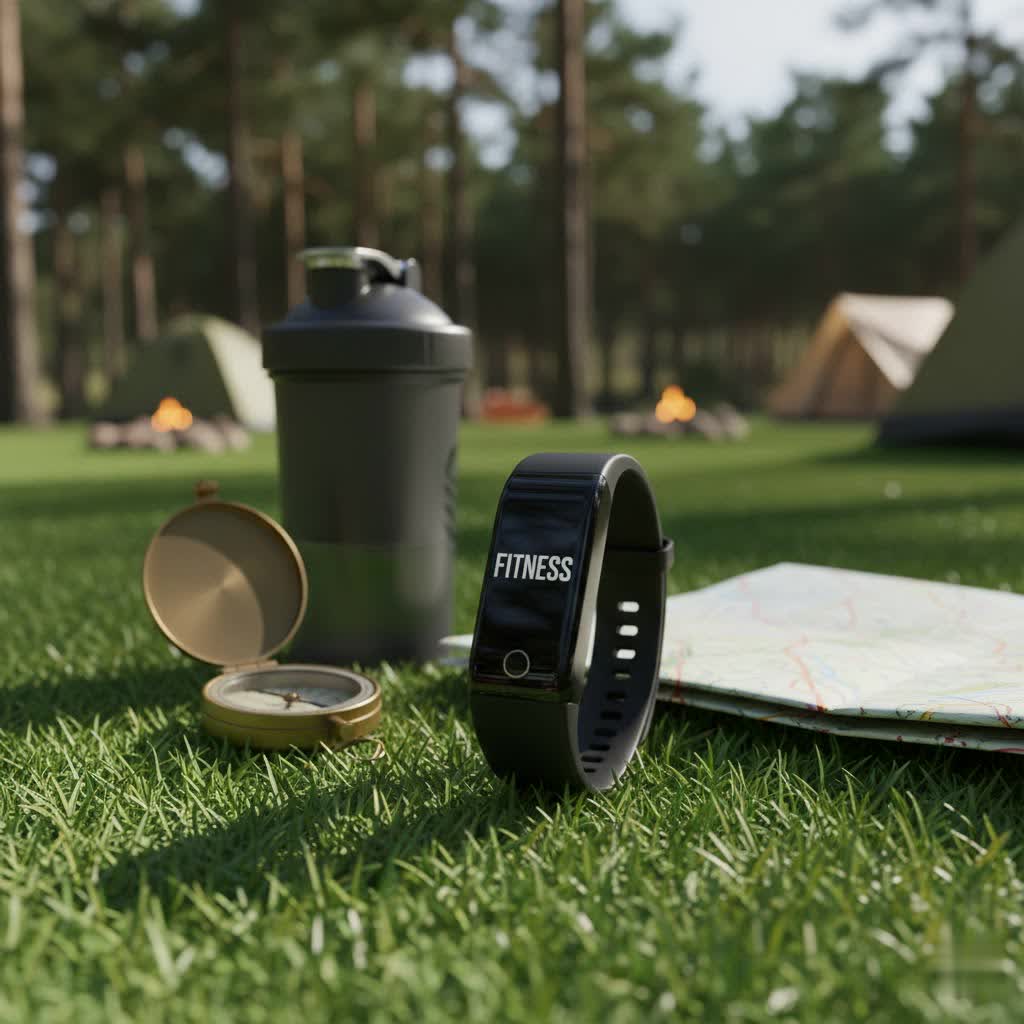
Fitness Trackers: What They Are and Why You Need One
A fitness tracker is a wearable device designed to monitor and record various aspects of your physical activity and overall health. Far beyond a simple pedometer, these sophisticated gadgets leverage advanced sensors to provide a holistic view of your daily movements, exercise routines, and physiological responses.
At its core, a fitness tracker measures metrics like your step count using an accelerometer, estimates calories burned based on your activity levels, and often monitors your heart rate through optical sensors. More advanced models include GPS for precise distance and pace tracking during outdoor activities, blood oxygen (SpO2) sensors, and even ECG capabilities to detect potential heart rhythm irregularities. They also delve into sleep analysis, identifying sleep stages and overall sleep quality.
The benefits of integrating a fitness tracker into your life are extensive. They cultivate increased self-awareness regarding your activity levels, sleep patterns, and stress responses, serving as a constant, gentle reminder to move more and rest better. This awareness helps you set realistic and achievable fitness goals, from hitting a daily step target to optimizing your workout intensity. Ultimately, a fitness tracker provides tangible data that can motivate you to sustain healthy habits and make informed decisions about your well-being. Whether you’re a seasoned athlete striving for peak performance, someone looking to shed a few pounds, or simply aiming to lead a healthier lifestyle, a fitness tracker offers personalized insights to guide you.
Exploring the Diverse World of Fitness Trackers
The market for fitness trackers is rich and varied, offering devices tailored to every preference and need. These wearables can primarily be categorized by their form factor and the range of features they offer.
By form factor, you’ll typically find:
- Wristbands: These are generally sleeker, more minimalist devices focused on core tracking functionalities like steps, heart rate, and sleep. They are often lightweight and comfortable for all-day wear.
- Smartwatches: Offering a blend of fitness tracking and smart functionalities, these devices boast larger displays, allow for smartphone notifications, enable NFC payments, and support a wider array of third-party applications. Popular examples include the Apple Watch and many Garmin and Samsung models.
- Rings: A more discreet option, fitness tracking rings are worn on a finger and often excel in sleep and recovery tracking, providing detailed physiological insights without a screen interface. The Oura Ring and Ultrahuman Ring Air are prominent examples.
- Clip-on devices: While less common today, some basic trackers can be clipped onto clothing, offering a screen-free approach to step counting and activity monitoring.
When it comes to features, fitness trackers span a wide spectrum:
- Basic Functionality: Counts steps, tracks distance, estimates calories burned, and monitors basic sleep patterns.
- Advanced Tracking: Includes built-in GPS, continuous heart rate monitoring, blood oxygen saturation (SpO2), stress tracking, and detailed sleep stage analysis.
- Specialized Features: Some devices offer ECG (electrocardiogram) for heart health, skin temperature sensing, advanced recovery metrics (like HRV), and specialized modes for various sports such as swimming, cycling, or weightlifting.
Each type comes with its own set of advantages and disadvantages. Wristbands are often more affordable and have longer battery lives but lack advanced smartwatch features. Smartwatches offer comprehensive features but tend to be bulkier and require more frequent charging. Rings provide discreet, high-fidelity data, particularly for sleep, but typically require a subscription for full functionality and lack a display.
Top Fitness Trackers: A 2026 Comparison Guide
Choosing the “best” fitness tracker is highly subjective, depending on your individual needs and budget. However, several models consistently stand out for their accuracy, feature set, and user experience. Here’s a comparison of some of the leading fitness trackers available in 2026:
| Model | Key Features | Battery Life | Price Range | Best For | Pros | Cons |
|---|---|---|---|---|---|---|
| Apple Watch Series [Latest] | ECG, SpO2, advanced heart rate, temperature sensing, Fall Detection, extensive app ecosystem, cellular options | 18-36 hours | Premium | iOS users, comprehensive health & smart features | Seamless iOS integration, rich app store, high accuracy, robust health monitoring | High price, limited Android compatibility, shorter battery life |
| Fitbit Charge 6 | ECG, EDA (stress), built-in GPS, 24/7 heart rate, sleep tracking, YouTube Music control | Up to 7 days | Mid-range | All-around health and fitness tracking, stress management | Excellent value, comprehensive health data, long battery, user-friendly app | Some features require Fitbit Premium subscription, limited third-party apps |
| Garmin Vivoactive 5 | AMOLED display, built-in GPS, body battery, sleep tracking, pulse ox, music storage, Garmin Pay | Up to 11 days | Mid-to-Premium | Balanced fitness, health & smart features for various users | Accurate GPS, detailed activity metrics, good battery, robust ecosystem | Can be pricier than basic trackers, larger design for some wrists |
| WHOOP Strap 5.0 | 24/7 heart rate, HRV, sleep stages, recovery & strain monitoring, skin temperature | 4-5 days | Subscription-based | Data-driven athletes, recovery optimization, sleep analysis | Deep insights into recovery, screen-free design, highly accurate sensors | Requires ongoing subscription, no screen, not for basic users |
| Samsung Galaxy Fit 3 | AMOLED display, automatic workout detection, heart rate, sleep tracking, SpO2, slim design | Up to 13 days | Budget-friendly | Android users, basic to intermediate fitness tracking | Affordable, lightweight, long battery life, good basic tracking | Limited advanced features, best with Samsung phones, no built-in GPS |
| Oura Ring Gen 4 | Advanced sleep analysis, HRV, body temperature, activity tracking, period prediction | 4-7 days | Premium | Discreet health monitoring, sleep optimization, recovery insights | Unobtrusive design, highly accurate sleep data, comfortable | No screen, requires subscription for full features, no real-time workout display |
“The ideal fitness tracker seamlessly integrates into your daily life, making health monitoring effortless and insightful.”
A Practical Guide to Choosing Your Perfect Fitness Tracker
Navigating the multitude of options can be daunting, but by focusing on a few key factors, you can confidently select the right fitness tracker for you.
First, define your fitness goals. Are you primarily interested in counting steps and staying active? A basic wristband might suffice. Do you train for marathons and need precise GPS and performance metrics? A high-end Garmin or Apple Watch would be more appropriate. If improving sleep quality or managing stress is your priority, devices like WHOOP or Oura Ring, with their advanced physiological insights, could be ideal.
Next, consider the features that matter most to you:
- Accuracy: For serious athletes, precise heart rate and GPS data are crucial. For casual users, a general estimate might be sufficient.
- Battery Life: Do you want to charge your device daily, or do you prefer a week-long battery life for uninterrupted tracking, especially during multi-day activities?
- Water Resistance: If you swim or engage in water sports, ensure the device is rated for adequate water depth. Most modern trackers are at least splash-proof.
- Comfort and Design: You’ll be wearing this device often, so it needs to be comfortable and aesthetically pleasing. Try on different styles if possible.
- Ecosystem and App Compatibility: Ensure the tracker’s app is user-friendly and syncs seamlessly with your smartphone (iOS or Android) and any other health apps you use.
- Budget: Fitness trackers range from under $50 to several hundred dollars. Determine how much you’re willing to spend, keeping in mind that more expensive models often offer a wider array of features and higher data accuracy.
“Don’t get caught up in flashy features you won’t use. The best tracker is the one that motivates you daily and fits your lifestyle.”
Finally, think about additional functionalities like music storage, NFC for contactless payments, or smart notifications, which can enhance your overall experience. By systematically evaluating these aspects, you can narrow down your choices and find a fitness tracker that truly serves your individual wellness journey.
Top Fitness Trackers Highly Praised in 2026
Here’s a closer look at some of the most highly-regarded fitness trackers of the current year, providing a blend of comprehensive features, user satisfaction, and expert recommendations:
- Garmin Vivoactive 5: Often lauded as an excellent all-rounder, the Vivoactive 5 offers a vibrant AMOLED display and robust tracking for various activities, including running, cycling, and strength training. Its “Body Battery” energy monitoring and detailed sleep insights are particularly popular. It strikes a fantastic balance between advanced fitness tracking and everyday smartwatch functionality, all within a reasonable price point.
- Fitbit Charge 6: Continuing Fitbit’s legacy, the Charge 6 is celebrated for its impressive health monitoring capabilities, including ECG and EDA (electrodermal activity) sensors for stress management. Its compact design, long battery life, and integration with Google services make it a strong contender for those seeking comprehensive health insights without the bulk of a full smartwatch.
- WHOOP Strap 5.0: This screen-free device is a favorite among serious athletes and those obsessed with recovery data. WHOOP focuses on continuous monitoring of heart rate variability (HRV), sleep stages, and daily strain, providing personalized coaching and insights to optimize performance and prevent overtraining. Its subscription model means no upfront device cost, but an ongoing commitment.
- Apple Watch Series [Latest Model]: For iPhone users, the latest Apple Watch remains the gold standard. It boasts industry-leading health sensors (ECG, blood oxygen, temperature sensing), a vast app ecosystem, and seamless integration with the Apple Health platform. Its robust smartwatch features make it a versatile companion for both fitness and daily life, though it comes with a premium price tag and shorter battery life compared to dedicated fitness bands.
- Oura Ring Gen 4: For those who prefer a more subtle approach to health tracking, the Oura Ring is a game-changer. Worn on the finger, it excels at sleep analysis, providing highly accurate data on sleep stages, body temperature, and HRV. Its discreet design makes it ideal for 24/7 wear, focusing on long-term health trends and recovery insights.
These models represent the pinnacle of fitness tracking technology in 2026, offering diverse functionalities to cater to a wide range of users, from casual enthusiasts to dedicated athletes.
Maximizing Your Fitness Tracker: Usage and Maintenance Tips
Once you’ve chosen your fitness tracker, proper setup, usage, and maintenance are key to unlocking its full potential and ensuring its longevity.
Getting Started:
Upon unboxing, the first step is typically to charge your device fully and then download the companion app to your smartphone. The app will guide you through the setup process, which usually involves pairing the tracker via Bluetooth, creating a profile with your personal details (age, height, weight), and setting initial goals. Take time to explore the app’s dashboard, customize your watch face (if applicable), and adjust notification preferences. Learning how to navigate the device’s interface and access its various metrics will empower you to make the most of its capabilities from day one.
Effective Usage:
- Wear it consistently: For accurate data, especially for sleep and continuous heart rate, wear your tracker daily and nightly.
- Understand your metrics: Don’t just collect data; interpret it. Learn what your average step count, resting heart rate, and sleep score mean for your health.
- Set realistic goals: Use the data to set achievable goals that motivate you without leading to burnout.
- Sync regularly: Ensure your device syncs with its app frequently to keep your data up-to-date and backed up.
- Utilize specific activity modes: If your tracker has modes for running, swimming, or cycling, use them for more precise tracking during those activities.
Care and Maintenance:
- Keep it clean: Regularly wipe down your tracker and band with a soft, damp cloth, especially after workouts, to prevent skin irritation and maintain hygiene.
- Charge appropriately: Follow the manufacturer’s recommendations for charging. Avoid letting the battery completely drain too often, as this can impact overall battery health.
- Update firmware: Periodically check for software updates. These often bring new features, improve accuracy, and fix bugs.
- Protect it: While many trackers are durable, avoid exposing them to extreme temperatures or harsh chemicals. If swimming, ensure its water resistance rating is suitable.
By following these simple guidelines, your fitness tracker will remain a reliable partner in your health and wellness journey for years to come.
Important Considerations When Embracing Fitness Tracking
While fitness trackers offer incredible benefits, it’s essential to approach their use with a clear understanding of their capabilities and limitations.
One crucial point is the accuracy of fitness trackers. While modern devices are remarkably precise, they are not medical instruments. Factors like sensor placement, skin tone, movement type, and environmental conditions can influence data readings. For instance, wrist-based heart rate sensors may be less accurate during high-intensity, erratic movements compared to a chest strap. Always use the data as a guide for motivation and trend analysis, rather than as definitive medical diagnoses.
Secondly, be mindful of potential health issues. If you have a pre-existing heart condition, consult your doctor before relying solely on a fitness tracker for critical heart health monitoring. While features like ECG can detect abnormalities, they are not a substitute for professional medical advice or diagnostic tests. Some individuals may also experience skin irritation from prolonged wear, emphasizing the importance of keeping your device clean and ensuring a comfortable fit.
Expert advice consistently highlights the importance of using fitness tracker data as a tool for empowerment, not obsession. Focus on long-term trends and overall improvements rather than getting fixated on daily fluctuations.
“A fitness tracker is a powerful mirror for your habits, but remember to look beyond the numbers and listen to your body first.”
Consistency in usage and a balanced perspective are key to leveraging your fitness tracker effectively. It should enhance your awareness and motivation, complementing a healthy lifestyle rather than becoming an all-consuming focus.
Conclusion
Fitness trackers have evolved into sophisticated companions, offering invaluable insights into our activity levels, sleep patterns, and overall well-being. From basic step counting to advanced physiological monitoring, these devices empower us to take a proactive role in our health journey. By understanding the diverse types, comparing top models, and selecting one that aligns with your specific goals and lifestyle, you can harness the power of wearable technology to live a healthier, more active life.
Are you ready to unlock your full potential with the right fitness tracker?
Frequently Asked Questions
Are fitness trackers truly accurate?
|
Our Picks for the Best Fitness Tracker in 2026
As an Amazon Associate I earn from qualifying purchases.
|
||
| Num | Product | Action |
|---|---|---|
| 1 | Fitbit Inspire 3 Health &-Fitness-Tracker with Stress Management, Workout Intensity, Sleep Tracking, 24/7 Heart Rate and more, Midnight Zen/Black One Size (S & L Bands Included) |

|
| 2 | EnergyPort Purple Fitness Tracker with Quartz Display - Smart Bracelet Monitor Heart Rate, Sleep, IP68 Waterproof for Women, 30-Day Battery Life, Smart Notifications, Compatible with Android and iOS |
|
| 3 | WHOOP 5.0/MG Activity Tracker - 12 Month Membership - Health and Fitness Wearable – 24/7 Activity and Sleep Tracker, Personalized Coaching, Menstrual Cycle Insights – 14+ Days Battery Life |
|
| 4 | Fitness Tracker with 24/7Heart Rate, Blood Pressure, Sleep Tracking, Calorie, Activity Tracker with 1.1" AMOLED Color Screen, Waterproof Step Tracker for Android iPhones Women Men |
|
| 5 | Fitbit Charge 6 Fitness Tracker with Google apps, Heart Rate on Exercise Equipment, 6-Months Premium Membership Included, GPS, Health Tools and More, Obsidian/Black, One Size (S & L Bands Included) |
|
| 6 | Garmin Forerunner 55, GPS Running Watch with Daily Suggested Workouts, Up to 2 Weeks of Battery Life, Black - 010-02562-00 |
|
| 7 | MorePro Fitness Tracker(Answer/Make Call), 1.83” Health Fitness Watch with Heart Rate, Blood Pressure,SpO2 and Sleep Monitor, 100+ Sports Modes, IP68 Waterproof Smart Watch for Men Women |
|
| 8 | USMECBL Fitness Trackers,Smart Band 24/7 Health Monitoring,Blood Oxygen Heart Rate Sleep Monitor,Calorie Pedometer Steps Counter Activity watchs/Notifications for iOS/Android |
|
| 9 | Fitness Tracker with Heart Rate/Blood Oxygen/Sleep Monitor, 20+ Sports Modes Smart Watches for Women/Men, Activity & Step Tracker Smart Watch for Android/iOS Phones |
|
| 10 | GANSI Smart Ring for Women & Men - IP68 Waterproof Fitness Tracker -Sleep Tracking Heart Rate Healthy Monitor - Activity/Steps/Calories - for iOS & Android 10# |
|
Modern fitness trackers offer impressive accuracy for metrics like steps and heart rate, especially in controlled conditions. However, various factors like sensor placement and individual physiology can cause minor discrepancies. They are excellent tools for tracking trends and motivating progress but should not be considered medical-grade diagnostic devices.
Can a fitness tracker help me lose weight?
Yes, a fitness tracker can be a valuable tool for weight loss by increasing your awareness of daily activity, exercise intensity, and calorie expenditure. This data can help you set and achieve fitness goals, stay motivated, and make informed decisions about your diet and exercise routine, supporting your overall weight management efforts.
Do I need a subscription to use a fitness tracker?
While many fitness trackers offer core functionalities without a subscription, some brands, like WHOOP or Oura Ring, operate on a subscription model for full access to their advanced insights and personalized coaching. Other brands, such as Fitbit, may offer optional premium subscriptions for deeper data analysis and guided programs.
What is the main difference between a fitness tracker and a smartwatch?
A fitness tracker typically focuses primarily on health and activity monitoring in a compact form factor. A smartwatch, while including fitness tracking, offers broader smart functionalities like notifications, calls, app ecosystems, and mobile payments, often with a larger display and more processing power.
How long does a typical fitness tracker last?
The lifespan of a fitness tracker varies depending on the brand, model, usage, and care. Generally, a good quality fitness tracker can last 2-4 years. Battery degradation is often the first component to show significant wear, but proper charging habits and firmware updates can help extend the device’s life.
