Embarking on a fitness journey or aiming to elevate your current health regimen often leads to one powerful ally: the fitness tracker. These compact devices, once a novelty, have evolved into sophisticated personal health coaches, offering insights into our daily movements, sleep patterns, and overall well-being. But with countless options flooding the market, how do you choose the right one? This comprehensive guide, drawing insights from Wirecutter’s rigorous testing methodology, aims to cut through the noise and help you find the best fitness tracker to meet your unique needs and goals.
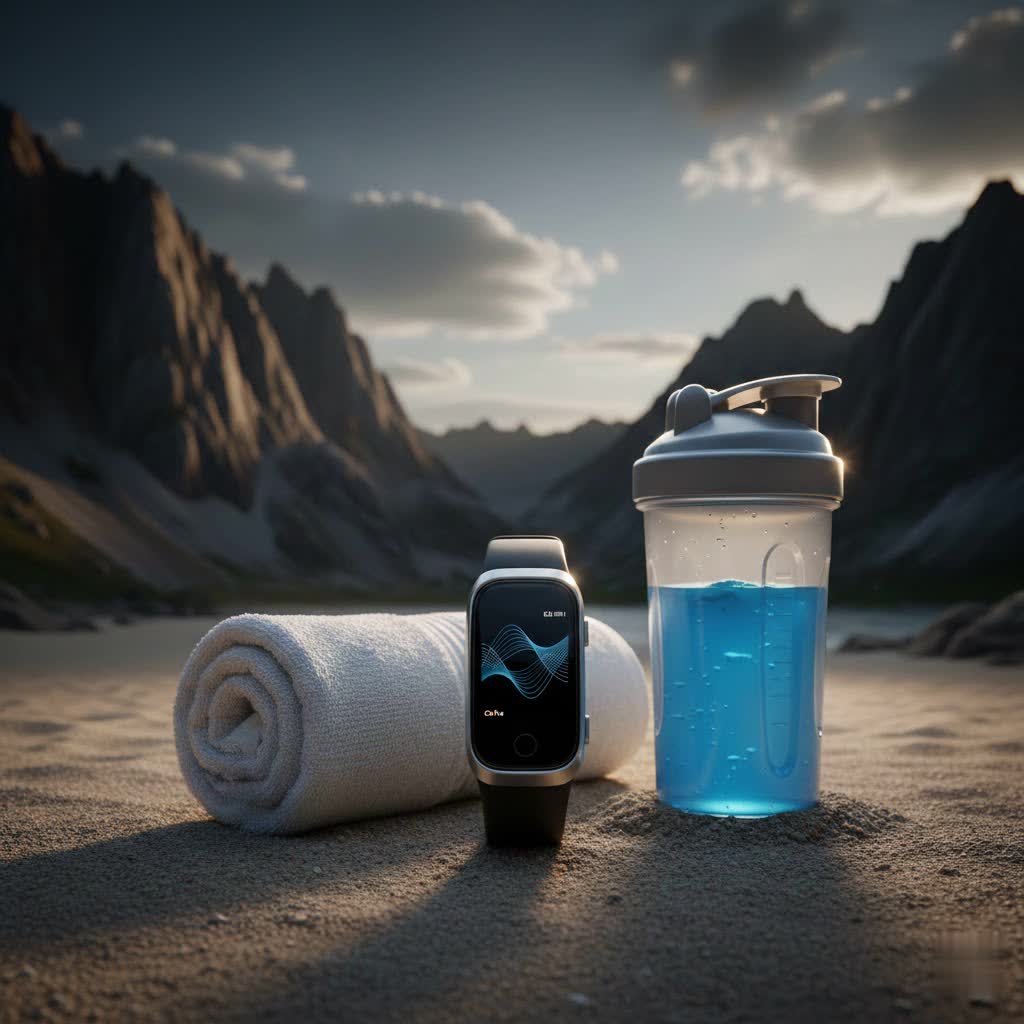
What is a Fitness Tracker? Why Do You Need One?
At its core, a fitness tracker is a wearable device designed to monitor and record various health and fitness-related metrics throughout your day. Initially focused on step counting, modern fitness trackers now offer a suite of functions including heart rate monitoring, sleep analysis, calorie burn estimation, and even stress detection. They serve as a constant, gentle reminder to stay active, providing actionable data to help you understand your body better and make informed decisions about your health.
The benefits extend far beyond just counting steps. By consistently tracking your activity, sleep, and heart rate, a fitness tracker can help you:
- Achieve Fitness Goals: Whether it’s hitting a daily step target, improving your running pace, or mastering a new workout, trackers provide the data and motivation to stay on track.
- Improve Overall Health: Monitoring resting heart rate can indicate improved cardiovascular health, while sleep tracking offers insights into rest quality, crucial for recovery and cognitive function.
- Boost Awareness: Many users find that seeing their daily activity levels visually helps them become more mindful of their habits and encourages more movement throughout the day.
Fitness trackers are ideal for a wide range of individuals, from casual walkers and gym-goers to seasoned athletes. Anyone looking to gain a clearer picture of their health metrics, improve their daily activity, or simply stay motivated on their wellness journey can benefit significantly from a well-chosen fitness tracker.
Popular Fitness Tracker Types on the Market
The landscape of fitness trackers is diverse, with devices varying significantly in form factor and functionality. Understanding these types is crucial for making an informed decision.
Classification by Form Factor
- Wristbands (Traditional Fitness Trackers): These are typically sleeker, lighter, and often more affordable than smartwatches. They focus primarily on core fitness metrics.
- Pros: Discreet, comfortable for all-day wear, generally longer battery life, often more budget-friendly.
- Cons: Smaller screens, fewer “smart” features (like answering calls or running third-party apps).
- Smartwatches with Fitness Tracking Capabilities: These devices blend comprehensive fitness tracking with advanced smartwatch features.
- Pros: Large, vibrant displays; extensive app ecosystems; advanced health sensors (ECG, blood oxygen); smartphone integration (calls, messages, payments); built-in GPS.
- Cons: Shorter battery life (often daily charging), bulkier, higher price point.
- Smart Rings: A newer, more discreet category focusing on holistic health tracking, especially sleep and recovery.
- Pros: Extremely discreet, comfortable for sleep tracking, excellent battery life.
- Cons: No screen, limited real-time workout feedback, often requires a subscription for full features.
|
Our Picks for the Best Fitness Tracker in 2026
As an Amazon Associate I earn from qualifying purchases.
|
||
| Num | Product | Action |
|---|---|---|
| 1 | EnergyPort Purple Fitness Tracker with Quartz Display - Smart Bracelet Monitor Heart Rate, Sleep, IP68 Waterproof for Women, 30-Day Battery Life, Smart Notifications, Compatible with Android and iOS |

|
| 2 | GANSI Smart Ring for Women & Men - IP68 Waterproof Fitness Tracker -Sleep Tracking Heart Rate Healthy Monitor - Activity/Steps/Calories - for iOS & Android 10# |
|
| 3 | Fitness Tracker with 24/7Heart Rate, Blood Pressure, Sleep Tracking, Calorie, Activity Tracker with 1.1" AMOLED Color Screen, Waterproof Step Tracker for Android iPhones Women Men |
|
| 4 | USMECBL Fitness Trackers,Smart Band 24/7 Health Monitoring,Blood Oxygen Heart Rate Sleep Monitor,Calorie Pedometer Steps Counter Activity watchs/Notifications for iOS/Android |
|
| 5 | WHOOP 5.0/MG Activity Tracker - 12 Month Membership - Health and Fitness Wearable – 24/7 Activity and Sleep Tracker, Personalized Coaching, Menstrual Cycle Insights – 14+ Days Battery Life |
|
| 6 | Fitbit Inspire 3 Health &-Fitness-Tracker with Stress Management, Workout Intensity, Sleep Tracking, 24/7 Heart Rate and more, Midnight Zen/Black One Size (S & L Bands Included) |
|
| 7 | Garmin Forerunner 55, GPS Running Watch with Daily Suggested Workouts, Up to 2 Weeks of Battery Life, Black - 010-02562-00 |
|
| 8 | Fitness Tracker with Heart Rate/Blood Oxygen/Sleep Monitor, 20+ Sports Modes Smart Watches for Women/Men, Activity & Step Tracker Smart Watch for Android/iOS Phones |
|
| 9 | MorePro Fitness Tracker(Answer/Make Call), 1.83” Health Fitness Watch with Heart Rate, Blood Pressure,SpO2 and Sleep Monitor, 100+ Sports Modes, IP68 Waterproof Smart Watch for Men Women |
|
| 10 | Fitbit Charge 6 Fitness Tracker with Google apps, Heart Rate on Exercise Equipment, 6-Months Premium Membership Included, GPS, Health Tools and More, Obsidian/Black, One Size (S & L Bands Included) |
|
Classification by Features
Fitness trackers can also be categorized by their primary features:
- Basic Activity Trackers: Focus on step counting, distance, and calorie burn.
- Heart Rate Monitors: Integrate optical heart rate sensors for continuous monitoring, crucial for training zones and resting heart rate insights.
- GPS-Enabled Trackers: Include built-in GPS for accurate outdoor activity tracking (running, cycling) without needing a phone.
- Sleep & Recovery Trackers: Offer detailed insights into sleep stages, recovery metrics (HRV, body temperature), and readiness scores.
- Advanced Health Monitors: Feature capabilities like ECG, blood oxygen (SpO2), skin temperature, and even fall detection.
Each type offers distinct advantages, catering to different user priorities. For example, a dedicated runner might prioritize a device with robust GPS, while someone focused on general wellness might prefer a comfortable wristband with excellent sleep tracking.
Wirecutter’s Top Fitness Trackers: A Comparison
Wirecutter, known for its exhaustive testing, provides invaluable recommendations for fitness trackers, emphasizing accuracy, ease of use, and comfort for “most people.” Their reviews highlight devices that excel in core functions without unnecessary clutter.
Wirecutter’s Primary Recommendations:
- Fitbit Inspire 3: Praised as the best option for most people, the Inspire 3 stands out for its accuracy in step counting and heart rate monitoring, comfortable design, and decent battery life. It offers precise readings without an overly complex interface, making it ideal for those seeking essential activity and health metrics.
- Accuracy: “Off from our pedometer readout by just 0.32% over a two-day period,” and only 0.03 miles off in a one-mile distance test.
- Battery Life: Advertised up to 10 days, with real-world testing showing around seven days.
- Key Features: Step count, distance, heart rate, estimated calories burned, connected GPS (uses phone’s GPS), water resistance up to 50 meters.
- Fitbit Charge 6: Recommended as a solid runner-up, especially for those who want more advanced features and Google integration. It builds on Fitbit’s reliable tracking with upgrades like a haptic side button and built-in GPS.
- Accuracy: “Error rate of 1.3% in our step-count test,” and -0.02 miles off in a 1-mile distance test.
- Battery Life: Advertised up to seven days, with testers seeing around 68% remaining after two days.
- Key Features: Built-in GPS, Google Maps, Google Wallet, YouTube Music (with subscription), 40 exercise modes, Bluetooth heart rate broadcasting.
- Apple Watch SE (Second Generation): While considered a smartwatch, Wirecutter acknowledges its precise health readouts and seamless integration for iPhone users. It’s often recommended as a budget smartwatch for Apple ecosystem users.
- Accuracy: Accurately measured heart rate, steps, and distance.
- Battery Life: Up to 18 hours, significantly shorter than Fitbit options.
- Key Features: Vibrant display, intuitive touchscreen, large app library, mobile plan for calls/messaging.
Comparison Table: Wirecutter’s Top Picks
| Feature | Fitbit Inspire 3 | Fitbit Charge 6 | Apple Watch SE (2nd Gen) |
|---|---|---|---|
| Best For | Most people, essential tracking | More features, Google integration | iPhone users, budget smartwatch |
| Accuracy (Steps) | Excellent (0.32% error) | Very Good (1.3% error) | Very Good |
| Accuracy (Dist.) | Excellent (0.03 miles off) | Very Good (-0.02 miles off) | Very Good |
| Battery Life | Up to 10 days (real 7 days) | Up to 7 days (real 4-5 days) | Up to 18 hours |
| GPS | Connected (uses phone) | Built-in | Built-in |
| Display | Small (1.5-inch), simple color | AMOLED, vibrant | Vibrant, clear, intuitive touchscreen |
| Water Resistance | Up to 50 meters | Up to 50 meters | Up to 50 meters |
| Smart Features | Notifications, basic app integration | Google Maps, Wallet, YouTube Music, Bluetooth HR | Calls, messages, extensive app library |
| Comfort | Thin, lightweight (0.32 oz) | Flexible silicone band (1.02 oz) | Comfortable rubber band |
How to Choose the Right Fitness Tracker for You
Selecting the perfect fitness tracker is a personal journey, as the “best” device depends entirely on your individual needs and lifestyle. Here’s a guide to help you navigate the choices:
1. Identify Your Usage Needs
- General Health & Activity Tracking: If you primarily want to monitor daily steps, basic heart rate, and sleep, a simpler, more affordable wristband like the Fitbit Inspire 3 might be sufficient.
- Serious Workouts & Training: For runners, cyclists, or gym enthusiasts, features like built-in GPS, advanced workout modes (40+ on Fitbit Charge 6), and heart rate broadcasting (Charge 6) become crucial. Devices like the Garmin Forerunner series or even the Fitbit Charge 6 with its integrated GPS are strong contenders.
- Holistic Health & Recovery: If sleep quality, recovery metrics (HRV), and stress management are priorities, consider trackers with advanced sensors and comprehensive app ecosystems, such as the Oura Ring or Whoop.
- Smartwatch Integration: For those who want seamless smartphone connectivity, messaging, and access to a wide array of apps in addition to fitness tracking, an Apple Watch SE (for iPhone users) or a Google Pixel Watch (for Android users) might be more suitable.
2. Key Factors to Consider
- Features: Beyond basic step counting, what metrics truly matter to you?
- Heart Rate Monitoring: Essential for understanding exertion during workouts and resting heart rate trends.
- GPS: Built-in GPS is vital for accurate outdoor distance and pace tracking without carrying your phone. Connected GPS uses your phone’s GPS.
- Sleep Tracking: Offers insights into sleep stages and duration. Note that while total sleep time is often accurate, specific sleep stages can be less reliable across devices.
- Water Resistance: Important for swimmers or those who want to wear their tracker in the shower. Look for 50 meters or more.
- Smart Features: Notifications, mobile payments, music control, and app integration can enhance convenience.
- Accuracy: While no consumer device is medically perfect, look for trackers with a reputation for reliable data. Wirecutter, for instance, performs head-to-head comparisons against trusted pedometers and chest-strap heart rate monitors.
- “Any device that you wear on your wrist is actually tracking the swinging of your arm, which pretty closely matches what your legs are doing when you’re walking or running. But humans do a lot more than just walk and run, and these devices can and do perceive any movement your arms make (say, while you’re folding laundry or clapping your hands) as “steps.””
- Battery Life: This varies significantly. Traditional trackers can last a week or more, while smartwatches often require daily charging. Consider your tolerance for frequent charging.
- Design & Comfort: Since you’ll be wearing it all day, comfort is paramount. Consider band material (silicone, fabric), size, and overall aesthetic. Some prefer a slim, discreet band, while others like a larger, more watch-like display.
- Ecosystem & App: The companion app is where you view your data. Look for an intuitive app that presents data clearly and offers insights. Consider how well it integrates with your smartphone (iOS/Android). Fitbit’s app, for example, is known for its user-friendliness and community features.
- Budget: Fitness trackers range from under $100 to several hundred dollars. Define your budget early and explore the best options within that price range.
3. Projected Budget
- Entry-Level ($50-$100): Basic step, distance, and heart rate tracking. Often have good battery life but limited smart features. (e.g., Fitbit Inspire 3, Amazfit Band 7).
- Mid-Range ($100-$250): Enhanced features like built-in GPS, more exercise modes, improved displays, and some smart capabilities. (e.g., Fitbit Charge 6, Garmin Venu Sq 2).
- High-End ($250+): Full-fledged smartwatches or specialized athletic watches with advanced health sensors, extensive app ecosystems, and premium build quality. (e.g., Apple Watch SE 3, Garmin Forerunner 970, Oura Ring).
By carefully evaluating these factors against your personal priorities, you can narrow down your choices and select a fitness tracker that genuinely supports your health and fitness aspirations.
Top Fitness Trackers Praised in 2026
Building on Wirecutter’s foundational principles of accuracy and usability, here are some of the most highly-regarded fitness trackers by users and experts in the current year, 2026:
1. Fitbit Charge 6
- Overview: Often cited as an excellent all-around tracker, the Charge 6 delivers a balanced mix of comprehensive fitness tracking and useful smart features. It’s a favorite among many for its robust activity monitoring and seamless Google integration.
- Pros: Built-in GPS for phone-free tracking, haptic side button for easier navigation, 40 exercise modes, Google Maps, Wallet, and YouTube Music integration. Strong accuracy for steps and distance. Good battery life for a feature-rich device.
- Cons: Google account required for new users, GPS can still have minor connection problems compared to dedicated running watches. Some metrics require Fitbit Premium subscription.
- Price: Mid-range.
2. Fitbit Inspire 3
- Overview: Wirecutter’s top pick for most people, the Inspire 3 is celebrated for its simplicity, comfort, and remarkable accuracy in core metrics. It’s perfect for those who want essential data without being overwhelmed.
- Pros: Best-in-class step count accuracy, comfortable and lightweight design, long battery life (up to 10 days advertised), easy-to-navigate display and app.
- Cons: Connected GPS (requires phone), smaller screen, fewer advanced smart features than the Charge series.
- Price: Budget-friendly.
3. Apple Watch SE (3rd Generation)
- Overview: For iPhone users seeking a blend of fitness tracking and a full smartwatch experience at a more accessible price point than flagship models.
- Pros: Highly accurate health readouts (heart rate, steps, distance), vibrant display, intuitive touchscreen, extensive app ecosystem, seamless integration with iOS.
- Cons: Shortest battery life among top trackers (around 18 hours), primarily for iPhone users.
- Price: Mid-to-high range.
4. Garmin Forerunner 970
- Overview: A powerhouse for serious athletes and outdoor enthusiasts, offering unparalleled GPS accuracy and advanced training metrics.
- Pros: Exceptional GPS precision, long battery life, comprehensive training analysis (VO2 max, recovery time), rugged design, robust Garmin Connect ecosystem.
- Cons: High price, can be overkill for casual users, smartwatch features are secondary to fitness.
- Price: Premium.
5. Oura Ring 4
- Overview: A unique, discreet option for those prioritizing sleep, recovery, and holistic health insights in a comfortable ring form factor.
- Pros: Extremely accurate sleep tracking, detailed recovery metrics (HRV, body temperature), long battery life (5-8 days), stylish and unobtrusive.
- Cons: No screen for real-time data, requires a subscription for full features, activity tracking for workouts is less robust than wrist-worn devices.
- Price: Premium (plus subscription).
6. WHOOP 5.0
- Overview: Favored by performance athletes, WHOOP focuses intensely on recovery, strain, and sleep, presenting data in a subscription-based model without a traditional screen.
- Pros: In-depth insights into recovery and physiological metrics, comfortable band, personalized coaching based on data.
- Cons: Subscription required, no screen, limited real-time workout feedback, not ideal for basic step counting.
- Price: Subscription-based.
Using and Maintaining Your Fitness Tracker
Maximizing the value and lifespan of your fitness tracker involves proper setup, understanding its features, and consistent care.
How to Set Up and Sync Your Fitness Tracker
- Charge It Up: Most new trackers require an initial charge before first use.
- Download the Companion App: Search for the brand’s official app (e.g., Fitbit app, Garmin Connect, Apple Watch app) on your smartphone’s app store.
- Create an Account & Pair: Follow the in-app instructions to create a user account and pair your tracker via Bluetooth. This usually involves granting permissions for location, notifications, and health data access. Many newer Fitbits require a Google account.
- Enter Personal Data: Input your height, weight, age, and gender. This information is crucial for the tracker’s algorithms to accurately calculate metrics like calorie burn and activity zones.
- Customize Settings: Adjust notification preferences, set alarms, choose your preferred watch face, and configure specific exercise shortcuts through the app.
Regular syncing with the app is typically automatic when your phone is nearby and Bluetooth is enabled, ensuring your data is always up-to-date and accessible for deeper analysis.
How to Use Basic Features
- Step Counting & Activity: Simply wear your tracker. It automatically counts steps, estimated distance, and active minutes throughout the day. Check the device screen or app for real-time progress.
- Heart Rate Monitoring: Most trackers continuously monitor heart rate. View your current heart rate on the device and historical data (resting, active, zones) in the app.
- Workout Tracking: Start a specific exercise mode (e.g., “Run,” “Cycle,” “Weights”) on your device. This often activates GPS (if available) and provides more granular data for that activity. Remember to end the workout when finished.
- Sleep Tracking: Wear your tracker to bed. It automatically detects sleep onset and duration. The app will provide detailed sleep stage analysis in the morning.
How to Care For and Clean Your Fitness Tracker
- Regular Cleaning: Clean your device and band regularly, especially after workouts or if it gets wet. Use mild soap and water, then dry thoroughly with a soft cloth. Avoid harsh chemicals, which can damage materials.
- Proper Fit: Wear your tracker snugly but comfortably, typically one finger’s width above your wrist bone, to ensure accurate heart rate readings. Avoid wearing it too tight, which can cause skin irritation.
- Charging Habits: Follow manufacturer recommendations for charging. While most modern batteries handle frequent charging well, completely draining the battery often isn’t necessary.
- Software Updates: Keep your device’s firmware and companion app updated to ensure optimal performance, accuracy, and access to new features.
- Water Exposure: Even if water-resistant, it’s wise to rinse your tracker with fresh water after swimming in chlorinated or saltwater to prevent corrosion.
Important Considerations for Fitness Tracker Users
While fitness trackers are powerful tools, it’s important to approach the data they provide with a critical perspective and integrate them wisely into your health routine.
Accuracy Limitations
- Not Medical Devices: “None of the wearables covered in this review are medical devices, and none of the data they collect is regulated or legally protected in the same way that other health data is.” They are not intended to diagnose, treat, or cure any disease. Always consult a medical professional for health concerns.
- Step Count Variability: Wrist-worn trackers primarily measure arm swing. This can lead to overcounting steps during activities like cooking or clapping, or undercounting if your arms are stationary (e.g., pushing a stroller).
- Heart Rate & GPS: Optical heart rate sensors can be less accurate during intense workouts or with certain skin tones/tattoos. GPS can also have minor inaccuracies, especially in urban environments or dense foliage.
- Calorie Burn: “Each company uses its own proprietary algorithm to calculate that number,” which means calorie estimates can vary significantly between brands and are generally considered approximations.
Health Considerations
- Data Overload & Anxiety: Some users may experience “data overload” or increased anxiety from constantly monitoring metrics. “For a person who fears failure and tends to engage in negative social comparison, a tracker can add anxiety and unnecessary stress to workouts.”
- Listen to Your Body: “Trackers often make people less in tune with their bodies. They’re so reliant on data, and they forget to feel what they’re doing.” Use your tracker as a guide, but always prioritize how your body feels.
- Privacy Concerns: Be aware of how your health data is collected, stored, and shared. Companies like Google (which owns Fitbit) have specific privacy policies.
Expert Advice for Effective Use
> “Fitness trackers can help give us insight into how our heart rate trends over time, and store this information for our review.” – Seth Martin, Professor of Medicine in the Division of Cardiology at Johns Hopkins Hospital
- Focus on Trends, Not Daily Fluctuations: Daily numbers can vary. Look for long-term trends in your heart rate, sleep patterns, and activity levels rather than getting fixated on single data points.
- Set Realistic Goals: Use your tracker to motivate achievable goals, not unrealistic targets that lead to burnout.
- Use it as a Tool, Not a Master: Your tracker is meant to empower you, not dictate your every move. Integrate its insights with your self-awareness and professional medical advice.
Conclusion
The modern fitness tracker, exemplified by rigorous reviews like those from Wirecutter, offers an incredible opportunity to take charge of your health and fitness journey. From the straightforward accuracy of the Fitbit Inspire 3 to the feature-rich experience of the Fitbit Charge 6, and the comprehensive ecosystem of the Apple Watch SE, there’s a device tailored for nearly every need. By understanding what these devices track, how to choose one that aligns with your lifestyle, and how to interpret their data wisely, you can unlock a powerful tool for self-improvement. Remember, the best fitness tracker is the one that you’ll consistently wear and use to foster a deeper connection with your body.
What aspects of your health are you most eager to explore with a fitness tracker?
Frequently Asked Questions
Is Wirecutter’s fitness tracker review the most up-to-date?
Wirecutter regularly updates its reviews. While a review might show a past year in its title (e.g., “2024”), the content often reflects the most current testing and recommendations, including devices available in 2026. Always check the publication date of the specific article.
What is the most accurate fitness tracker recommended by Wirecutter?
Wirecutter has consistently found the Fitbit Inspire 3 to be exceptionally accurate for step counting and heart rate monitoring, making it their top pick for most people due to its reliable performance on core metrics.
Do Wirecutter’s recommended fitness trackers require a subscription?
Some recommended trackers, like Whoop, operate on a subscription model for full features. Fitbit offers a “Premium” subscription for advanced insights and guided programs, but basic tracking is available with the free app.
Can I use a Wirecutter-recommended fitness tracker with both iPhone and Android?
Many fitness trackers, particularly from Fitbit and Garmin, offer cross-platform compatibility. However, devices like the Apple Watch SE are designed to integrate best within the Apple ecosystem. Always check specific device compatibility.
What’s the battery life like for Wirecutter’s top picks?
The Fitbit Inspire 3 offers up to 10 days of battery life, while the Fitbit Charge 6 typically lasts up to 7 days. The Apple Watch SE has a shorter battery life, requiring charging about every 18 hours.
Are fitness trackers accurate for sleep tracking?
Fitness trackers are generally good at estimating total sleep time and detecting sleep fragmentation. However, their accuracy in determining specific sleep stages (like deep or REM sleep) can be less reliable compared to clinical methods.
Can a fitness tracker replace a medical device for heart conditions?
No, fitness trackers are not medical devices and should not be relied upon to manage or diagnose medical conditions, especially abnormal heart rates. Always consult a medical professional for health concerns.
