Are you ready to unlock a deeper understanding of your health and fitness? In today’s fast-paced world, staying on top of your well-being can feel like a challenge. That’s where a sophisticated fitness tracker like the Fitbit Charge 5 comes in. Designed to be more than just a step counter, this sleek device offers a powerful suite of tools to monitor your body’s signals, manage stress, improve sleep, and optimize your workouts. Whether you’re a seasoned athlete or just beginning your wellness journey, the Charge 5 aims to be your intelligent companion, providing actionable insights right from your wrist. This guide will walk you through everything you need to know about the Fitbit Charge 5, helping you determine if it’s the right choice to transform your approach to health.
What is the Fitbit Charge 5 Fitness Tracker and Why Do You Need It?
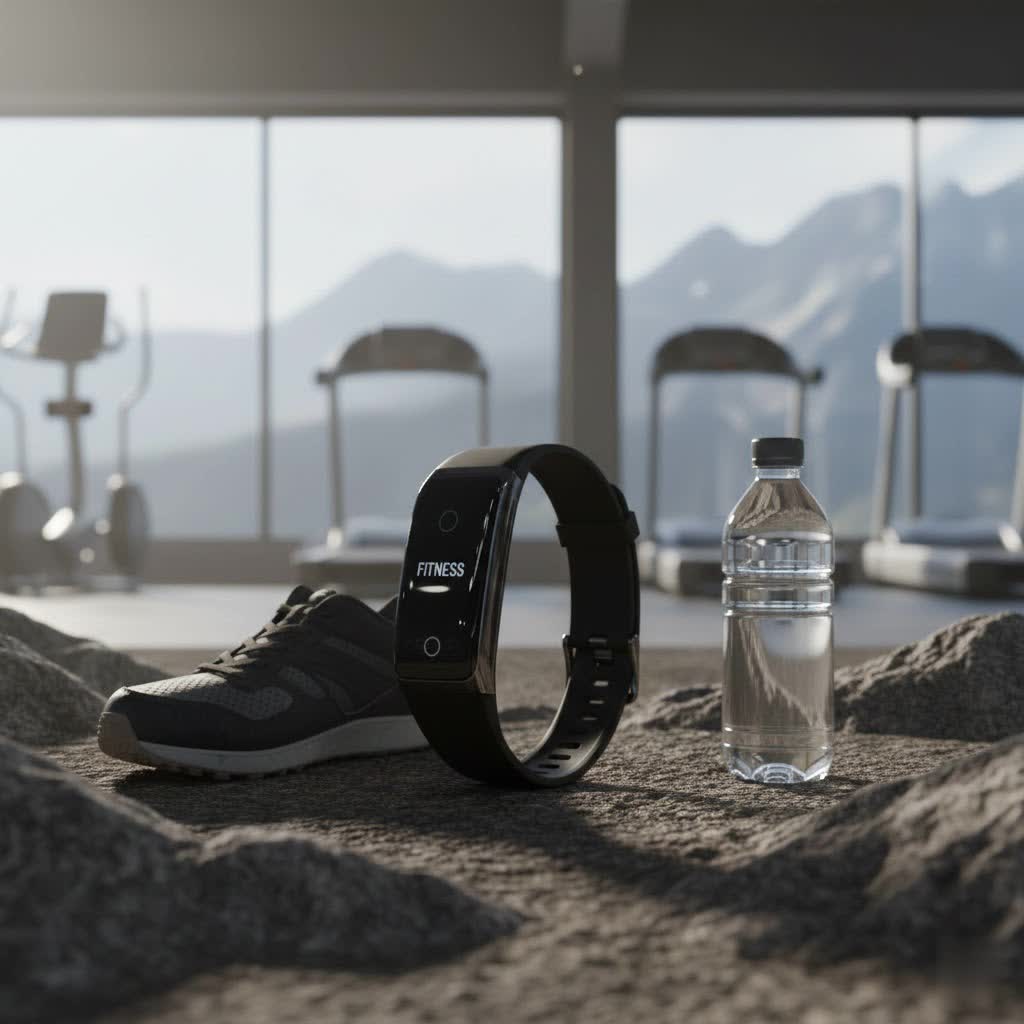
The Fitbit Charge 5 is a versatile and advanced fitness tracker designed to provide a comprehensive overview of your health and activity levels. It seamlessly integrates a range of sensors and smart features into a slim, wrist-worn device. Beyond simply counting steps, its core functions include continuous heart rate monitoring, sleep tracking, stress management, and detailed workout analysis.
For many, the benefits of using a fitness tracker like the Charge 5 extend far beyond just logging exercise. It empowers you with data about your body’s responses to daily life, offering insights into sleep quality, stress levels, and overall cardiovascular health. This information can be a powerful motivator, helping you identify patterns, set realistic goals, and make informed decisions to improve your physical and mental well-being. The Charge 5 is an ideal tool for health-conscious individuals, fitness enthusiasts, and anyone looking for a holistic view of their health without the bulk of a full-fledged smartwatch. It serves as a personal health coach, reminding you to move, relax, and prioritize recovery.
Key Features and Design of the Fitbit Charge 5
The Fitbit Charge 5 stands out with its blend of sophisticated health monitoring, robust fitness tracking, and a sleek, user-friendly design. It represents a significant upgrade in Fitbit’s popular Charge series.
At its heart is an enhanced AMOLED color touchscreen display, which is twice as bright as its predecessor, the Charge 4. This vibrant screen makes it easy to view your stats, notifications, and clock faces even in direct sunlight, providing a much more engaging visual experience. You can also opt for an always-on display, keeping your vital information readily accessible.
The Charge 5 is packed with advanced health monitoring sensors. It includes an EDA (electrodermal activity) sensor, first seen in the premium Fitbit Sense, which measures minor electrical changes in your skin’s sweat levels to help you understand your body’s response to stress. Additionally, it features an ECG (electrocardiogram) app that can assess your heart rhythm for signs of atrial fibrillation (AFib), providing a proactive approach to heart health. Rounding out its health suite are 24/7 heart rate tracking powered by PurePulse® technology, complete with high and low heart rate alerts, and an SpO2 sensor for monitoring blood oxygen levels. While it tracks skin temperature at night, it focuses on trends rather than providing an absolute temperature reading. Sleep tracking is exceptionally detailed, offering sleep stages and a daily sleep score, with the optional Sleep Profile program available via Fitbit Premium for long-term insights.
For fitness enthusiasts, the robust fitness tracking capabilities are impressive. The built-in GPS allows for phone-free tracking of outdoor activities like running, cycling, and hiking, mapping your route and displaying real-time pace and distance. With over 20 exercise modes, from swimming to HIIT, the Charge 5 ensures you can accurately track a wide range of workouts, enhanced by Active Zone Minutes that nudge you towards your weekly heart rate zone goals. The device is also water-resistant up to 50 meters, making it suitable for swimming and showering.
Beyond health and fitness, the Charge 5 offers essential smart connectivity. You’ll receive notifications for calls, texts, and calendar events directly on your wrist, and Android users can even send quick replies. Fitbit Pay allows for convenient contactless payments, so you can leave your wallet at home when you’re out for a run or a quick errand. Features like silent alarms, timers, and Smart Wake functionality further integrate the tracker into your daily routine.
The sleek and refined design of the Charge 5 is another highlight. It features a smoother, more streamlined profile with a stainless steel case and is notably 10% thinner than the Charge 4. The comfortable Infinity Band uses a soft loop and tang closure, designed for all-day wear, including sleep.
Fitbit Charge 5 vs. Its Predecessor: A Comparative Look
When considering the Fitbit Charge 5, it’s natural to compare it to the popular Charge 4 to understand the advancements and differences. While both are excellent fitness trackers, the Charge 5 brought several key upgrades.
The most noticeable difference is in design and display. The Charge 5 boasts a vibrant, full-color AMOLED touchscreen that is significantly brighter than the grayscale display of the Charge 4. This makes for a much more engaging and readable experience, especially outdoors. The Charge 5 also features a more premium, streamlined design with a stainless steel case and a slimmer profile, making it more aesthetically pleasing and comfortable for continuous wear.
In terms of health tracking enhancements, the Charge 5 truly shines. It introduced the EDA sensor for stress management and the ECG app for heart rhythm assessments, features absent on the Charge 4. These additions provide a deeper level of insight into your overall well-being. Both models offer 24/7 heart rate monitoring and SpO2 tracking, but the Charge 5 integrates these with newer algorithms and the Daily Readiness Score (a Fitbit Premium feature) to provide more comprehensive insights into recovery and workout optimization.
For fitness tracking and GPS, both devices are capable. The Charge 4 was a pioneer in including built-in GPS, a feature carried over to the Charge 5. This allows both trackers to map outdoor workouts independently of your phone. However, user experiences with GPS accuracy on the Charge 5 have been mixed; some reports suggest the Charge 4 might have been more consistent, while others indicate improvements in the Charge 5 over time, particularly in open environments. Both offer multiple exercise modes and Active Zone Minutes.
Regarding smart features, the Charge 5 continues with Fitbit Pay and smartphone notifications. One notable change is the removal of Spotify control from the Charge 5, a feature that was present on the Charge 4. This might be a drawback for users who relied on their tracker for music control during workouts. The Charge 5 does not include a voice assistant, a feature typically reserved for Fitbit’s smartwatch lines.
Ultimately, the value proposition for each depends on your priorities. If a vivid color screen, advanced stress and heart health monitoring (EDA, ECG), and a more premium design are crucial, the Charge 5 is the clear winner. However, if you’re on a tighter budget, prioritize Spotify control, and are content with a grayscale display and robust core fitness tracking, the Charge 4 remains a capable and cost-effective option. The Charge 5 targets users seeking more in-depth health insights and a refined user experience.
Understanding the Accuracy of the Fitbit Charge 5
The accuracy of fitness trackers is a common concern, and the Fitbit Charge 5 generally performs well across its various tracking metrics, though with some nuances inherent to wrist-worn devices.
When it comes to heart rate accuracy, the Charge 5’s 24/7 heart rate tracking using PurePulse® technology is largely reliable for all-day monitoring and resting heart rate. During steady-state exercises, it typically provides accurate readings. However, like many wrist-based optical heart rate sensors, it can sometimes show limitations during high-intensity interval training (HIIT) or activities with rapid changes in heart rate, where a chest strap monitor might offer quicker and more precise responses. For most users and general fitness tracking, the Charge 5’s heart rate data is considered sufficiently accurate, reflecting peaks and drops responsively.
The built-in GPS reliability is a mixed bag. In open-sky environments with minimal obstructions, the Charge 5’s GPS can accurately track routes, with distance measurements often aligning closely with dedicated GPS watches. It has shown improved startup times compared to earlier models, usually locking onto satellites within 20-30 seconds. However, its performance can suffer in challenging conditions, such as dense urban areas with tall buildings or under heavy tree cover. In these environments, users might experience signal dropouts or “zigzag” route distortions, which can lead to slightly overstated distances or misaligned paths. For casual runners or cyclists, this may not be a major issue, but serious athletes might prefer a more robust GPS device.
For sleep and SpO2 tracking, the Charge 5 receives high praise. Its sleep tracking capabilities are among the best for a wearable, providing detailed insights into sleep stages (light, deep, REM) and a daily sleep score that accurately reflects how rested you feel. The SpO2 sensor provides consistent and reliable blood oxygen saturation readings, which can be a useful indicator of respiratory health trends.
Regarding calorie tracking, it’s important to set realistic expectations. While the Charge 5 provides a good estimate of calories burned, its accuracy is generally considered relative rather than absolute. It’s excellent for tracking day-to-day changes in energy expenditure, showing if you burned more or fewer calories on a given day. However, studies often suggest that wrist-worn devices can be within approximately 30% of actual calorie expenditure. Therefore, while useful for trending, it should not be relied upon for precise caloric intake and expenditure calculations for strict dietary plans.
Several factors can influence accuracy, including the fit of the device on your wrist (too loose can affect heart rate), environmental conditions (for GPS), and individual physiological differences. Ensuring a snug but comfortable fit is key to optimizing data collection.
How to Choose the Right Fitness Tracker: Is the Charge 5 For You?
Choosing the right fitness tracker can feel overwhelming with the myriad of options available. To decide if the Fitbit Charge 5 is your ideal companion, consider these key factors that align with your personal needs and lifestyle.
First, assess your primary needs and goals. Are you focused on holistic health monitoring, including stress and sleep? Do you want to improve cardiovascular fitness, or simply track daily activity? The Charge 5 excels at providing a comprehensive view of overall health, making it suitable for those prioritizing general well-being, heart health, and stress management with its EDA and ECG sensors. If you’re a serious athlete requiring extremely precise, real-time data for intense, highly structured training, you might consider dedicated sports watches, as wrist-based trackers can have slight limitations in rapidly changing heart rates or challenging GPS environments.
Next, examine the core features that are non-negotiable for you. Does built-in GPS for phone-free workouts matter? The Charge 5 offers this, which is a huge convenience for outdoor activities. Is 24/7 heart rate monitoring and the ability to detect heart rhythm irregularities important? The ECG and heart rate alerts are strong points for the Charge 5. Do you value detailed sleep analysis and tools to help manage stress? The Charge 5’s sleep tracking and EDA sensor are top-tier. Conversely, if you need features like music storage, a voice assistant, or the ability to take phone calls from your wrist, you might need to look at more advanced smartwatches, as the Charge 5 focuses more on health and fitness tracking.
Battery life and comfort are practical considerations for any wearable. The Charge 5 generally offers up to 7 days of battery life, though this is reduced with features like the always-on display, frequent GPS use, and SpO2 monitoring. Realistically, expect around 4-5 days with typical usage. Its slim design and comfortable Infinity Band make it ideal for 24/7 wear, which is crucial for accurate sleep and continuous health monitoring.
Finally, consider the Fitbit ecosystem and the value of Fitbit Premium. The Fitbit app is intuitive and provides a clear dashboard of your stats. Many advanced features, like the Daily Readiness Score and personalized insights, are part of the optional Fitbit Premium subscription (a trial is often included). Evaluate if the added depth of analysis and guided programs offered by Premium justify the ongoing cost for your health journey.
If your priorities lean towards comprehensive health insights, effective stress management, excellent sleep tracking, and a sleek design for everyday wear, the Fitbit Charge 5 presents a compelling and well-rounded option.
Maximizing Your Fitbit Charge 5 Experience: Tips & Best Practices
To truly harness the full potential of your Fitbit Charge 5 and make it an indispensable part of your wellness routine, a few best practices can make a significant difference.
Getting Started: Setup and Syncing is straightforward. Upon unboxing, ensure your Charge 5 is fully charged. Download the Fitbit app to your smartphone (compatible with iOS and Android), create an account, and follow the on-screen prompts to pair your device via Bluetooth. It’s crucial to ensure the tracker is updated to the latest firmware for optimal performance and access to all features. Regular syncing with the app is automatic when your phone is nearby, but you can manually sync if needed to ensure all your latest data is transferred.
Effectively utilizing core features will unlock deeper insights. For EDA scans, find a quiet moment, typically for 2-7 minutes, and place your fingers on the stainless steel sides of the Charge 5. Focus on your breathing during the session to get a stress management score that reflects your body’s physiological response to stress. For the ECG app, ensure you’re still and place your fingers on the sides as prompted to take a 30-second reading of your heart rhythm. Explore the 20+ exercise modes by swiping on your tracker to the ‘Exercise’ app; selecting the correct activity (e.g., ‘Run’ for outdoor activities to activate GPS) will provide more accurate, activity-specific metrics.
Optimizing battery life is key for continuous tracking. While the Charge 5 boasts up to 7 days, features like the always-on display (AOD), frequent SpO2 monitoring, and prolonged built-in GPS use will drain it faster. If battery life is a priority, consider turning off AOD and enabling SpO2 monitoring only at night. Remember that continuous GPS usage significantly reduces battery life, so factor this into your charging routine, especially before long outdoor workouts.
Maintaining and cleaning your Charge 5 ensures longevity and accurate readings. Regularly clean the tracker and band, especially the sensors on the back, with a mild, soap-free cleanser and water. Ensure your skin and the device are completely dry before putting it back on to prevent irritation and maintain sensor contact. If the device gets wet, use the water lock feature to prevent accidental screen activations, and dry it thoroughly afterward.
Finally, interpreting your data for actionable insights is where the Charge 5 truly shines. The Daily Readiness Score (a Fitbit Premium feature) combines your activity, heart rate variability (HRV), and recent sleep to tell you if you’re ready for an intense workout or if you should prioritize recovery. Pay attention to trends in your heart rate, sleep patterns, and stress scores over time rather than focusing solely on individual daily numbers. Use these insights to adjust your daily routine, optimize your workouts, and proactively manage your health.
Important Considerations for Fitbit Charge 5 Users
While the Fitbit Charge 5 is a powerful and comprehensive fitness tracker, it’s essential to approach its use with a clear understanding of its capabilities and limitations.
One crucial point is setting realistic expectations regarding accuracy, especially for wrist-based sensors. While highly advanced, wrist-based heart rate monitoring, particularly during high-intensity or irregular movements, may not match the precision of a chest strap. Similarly, while the built-in GPS is convenient, its performance can be compromised in urban canyons or dense foliage, potentially leading to occasional route discrepancies compared to dedicated GPS devices. It’s important to see the data as valuable trends and indicators rather than absolute, clinical measurements.
The role of Fitbit Premium is another significant consideration. While the Charge 5 offers substantial tracking capabilities out of the box, several advanced insights and features, such as the detailed Daily Readiness Score and comprehensive Sleep Profile, are locked behind the Premium subscription. Many devices come with a trial period, but long-term access to these deeper analyses requires an ongoing monthly or annual fee. Evaluate if these enhanced insights are worth the recurring cost for your personal health journey.
Privacy concerns are also worth noting. As a Google-owned company, Fitbit collects a vast amount of personal health and activity data. Users should review Fitbit’s privacy policy to understand how their data is collected, stored, and used. While the aim is to provide personalized health insights, it’s always wise to be aware of your data footprint.
It is vital to remember that the Fitbit Charge 5, despite its advanced health monitoring features like ECG and SpO2, is not a medical device. It is designed for general fitness and wellness purposes and should not be used to diagnose, treat, cure, or prevent any disease. If you have health concerns or experience unusual readings, always consult with a qualified healthcare professional. The data provided by your Charge 5 can be a useful tool to share with your doctor, but it should never replace professional medical advice or diagnosis.
By keeping these considerations in mind, you can utilize your Fitbit Charge 5 effectively, leveraging its strengths while being mindful of its intended purpose and any inherent limitations.
Conclusion
The Fitbit Charge 5 stands as a highly capable and appealing fitness tracker, offering a powerful blend of advanced health monitoring, robust activity tracking, and intelligent smart features within a sleek, comfortable design. It excels at providing a holistic view of your well-being, from managing stress with its EDA sensor to understanding your heart health with ECG, and optimizing your rest through detailed sleep analysis. For individuals seeking to elevate their wellness journey, the Charge 5 serves as a valuable and motivating companion.
While it offers excellent functionality for the everyday user, those requiring absolute precision for highly specialized athletic training might explore dedicated sports watches. However, for anyone aiming to gain deeper insights into their body, foster healthier habits, and maintain a proactive approach to their physical and mental health, the Fitbit Charge 5 presents a compelling and accessible solution.
Are you ready to embrace a smarter way to track your health and unlock your full potential?
Frequently Asked Questions
What makes the Fitbit Charge 5 different from older models?
|
Our Picks for the Best Fitness Tracker in 2026
As an Amazon Associate I earn from qualifying purchases.
|
||
| Num | Product | Action |
|---|---|---|
| 1 | MorePro Fitness Tracker(Answer/Make Call), 1.83” Health Fitness Watch with Heart Rate, Blood Pressure,SpO2 and Sleep Monitor, 100+ Sports Modes, IP68 Waterproof Smart Watch for Men Women |

|
| 2 | Fitness Tracker with Heart Rate/Blood Oxygen/Sleep Monitor, 20+ Sports Modes Smart Watches for Women/Men, Activity & Step Tracker Smart Watch for Android/iOS Phones |
|
| 3 | Fitbit Charge 6 Fitness Tracker with Google apps, Heart Rate on Exercise Equipment, 6-Months Premium Membership Included, GPS, Health Tools and More, Obsidian/Black, One Size (S & L Bands Included) |
|
| 4 | WHOOP 5.0/MG Activity Tracker - 12 Month Membership - Health and Fitness Wearable – 24/7 Activity and Sleep Tracker, Personalized Coaching, Menstrual Cycle Insights – 14+ Days Battery Life |
|
| 5 | Garmin Forerunner 55, GPS Running Watch with Daily Suggested Workouts, Up to 2 Weeks of Battery Life, Black - 010-02562-00 |
|
| 6 | USMECBL Fitness Trackers,Smart Band 24/7 Health Monitoring,Blood Oxygen Heart Rate Sleep Monitor,Calorie Pedometer Steps Counter Activity watchs/Notifications for iOS/Android |
|
| 7 | Fitbit Inspire 3 Health &-Fitness-Tracker with Stress Management, Workout Intensity, Sleep Tracking, 24/7 Heart Rate and more, Midnight Zen/Black One Size (S & L Bands Included) |
|
| 8 | GANSI Smart Ring for Women & Men - IP68 Waterproof Fitness Tracker -Sleep Tracking Heart Rate Healthy Monitor - Activity/Steps/Calories - for iOS & Android 10# |
|
| 9 | Fitness Tracker with 24/7Heart Rate, Blood Pressure, Sleep Tracking, Calorie, Activity Tracker with 1.1" AMOLED Color Screen, Waterproof Step Tracker for Android iPhones Women Men |
|
| 10 | EnergyPort Purple Fitness Tracker with Quartz Display - Smart Bracelet Monitor Heart Rate, Sleep, IP68 Waterproof for Women, 30-Day Battery Life, Smart Notifications, Compatible with Android and iOS |
|
The Fitbit Charge 5 significantly upgrades from previous models like the Charge 4 by featuring a vibrant AMOLED color touchscreen, a more streamlined and thinner design with a stainless steel case, and advanced health sensors such as the EDA (stress) and ECG (heart rhythm) sensors, offering a more comprehensive health tracking experience.
Is the Fitbit Charge 5 waterproof?
Yes, the Fitbit Charge 5 is water-resistant up to 50 meters, making it suitable for swimming, showering, and other water-based activities. However, it’s always recommended to dry the band and your skin after water exposure to maintain comfort and hygiene.
How accurate is the heart rate monitoring on the Fitbit Charge 5?
The Charge 5 provides generally accurate 24/7 heart rate monitoring for daily activity and resting heart rate. While it performs well during steady workouts, its wrist-based sensor may show slight variations during high-intensity interval training compared to a dedicated chest strap, but it remains highly effective for most users.
Does the Fitbit Charge 5 require a subscription for all its features?
While the Fitbit Charge 5 offers many core tracking features out of the box, advanced insights such as the Daily Readiness Score and in-depth Sleep Profile analysis require a Fitbit Premium subscription. A trial is often included with the purchase, allowing you to experience the full suite of features.
Can I track my runs without my phone using the Fitbit Charge 5?
Yes, the Fitbit Charge 5 features built-in GPS, allowing you to track outdoor activities like running, cycling, and hiking independently of your smartphone. This means you can accurately record your route, pace, and distance without needing to carry your phone with you.
How long does the battery last on a Fitbit Charge 5?
The Fitbit Charge 5 typically offers up to 7 days of battery life on a single charge. However, using power-intensive features like the always-on display, continuous SpO2 monitoring, and built-in GPS will reduce the battery duration, often to around 4-5 days with regular use.
