Embarking on a fitness journey, whether you’re a seasoned athlete or just starting out, often leads to a common question: how do I accurately track my progress? With an abundance of wearable technology available, from wrist-worn devices to chest straps, pinpointing the right tool can be overwhelming. This comprehensive guide delves into the world of armband fitness trackers, offering a closer look at these increasingly popular devices that strike a unique balance between precision, comfort, and convenience, helping you unlock your full potential.
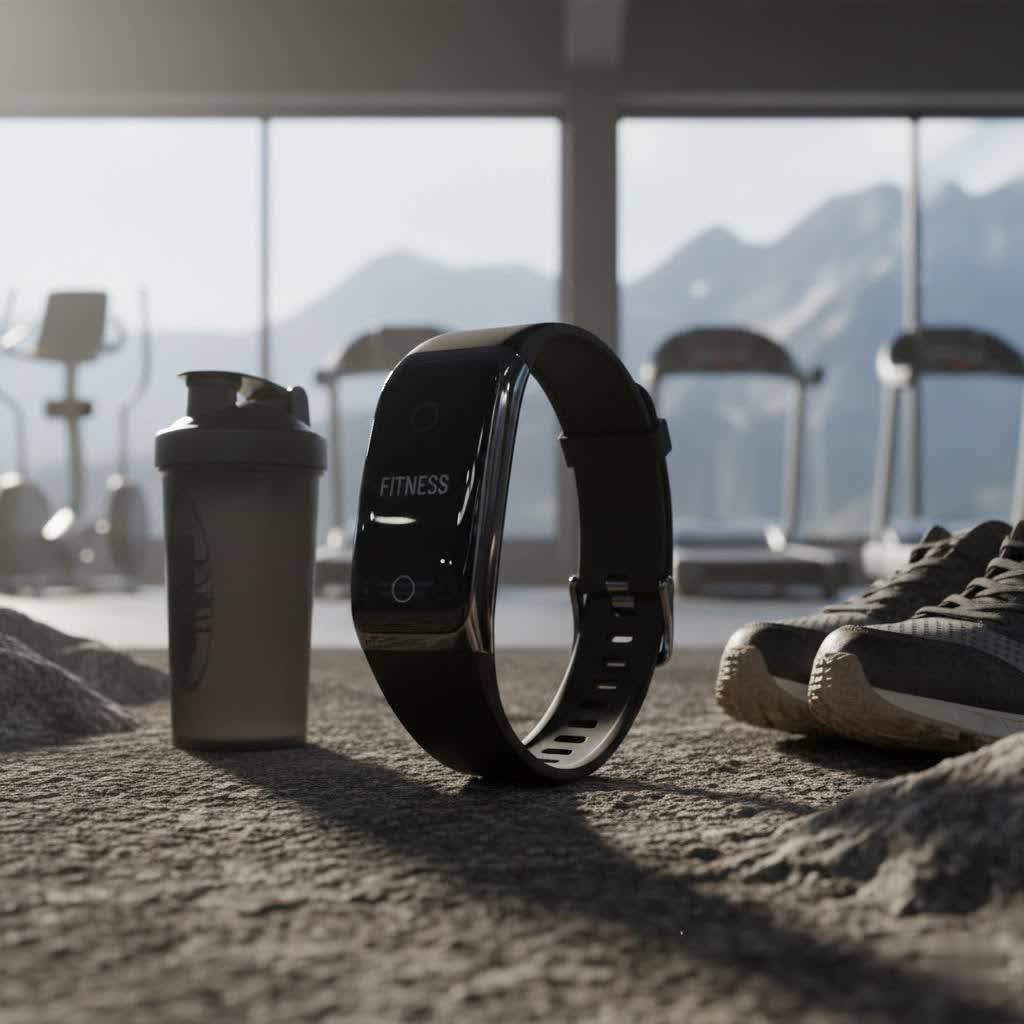
What is an Armband Fitness Tracker? Why Do You Need One?
An armband fitness tracker is a wearable device typically worn on the upper arm or forearm, designed to monitor various physiological metrics, with a strong emphasis on heart rate. Unlike their wrist-based counterparts, these trackers often utilize advanced optical sensors to provide more consistent and accurate data. They serve as a crucial tool for anyone serious about understanding their body’s responses during physical activity, enabling more effective training and better health management.
The primary benefit of an armband tracker lies in its ability to offer superior heart rate monitoring compared to many wrist-based devices. This enhanced accuracy is vital for:
- Optimizing Workouts: Tracking heart rate zones ensures you’re training at the right intensity for your goals, whether it’s endurance, fat burning, or peak performance.
- Preventing Overtraining: Understanding your recovery and strain levels can help you avoid injuries and burnout.
- Health Monitoring: Consistent heart rate data provides insights into your cardiovascular health, both during exercise and at rest.
- Comfort During Activity: For many, an armband offers a more secure and less intrusive fit than a wrist device, especially during high-impact sports or weightlifting.
For athletes, gym enthusiasts, or individuals with specific health monitoring needs, an armband fitness tracker provides a reliable and comfortable solution to gain deeper insights into their physical performance and overall well-being.
Armband vs. Wrist vs. Chest Strap: A Comparative Look at Accuracy
When it comes to heart rate monitoring, the choice of device location significantly impacts accuracy. Understanding the differences between armband, wrist, and chest strap trackers is key to selecting the best option for your needs.
-
Chest Strap Monitors: These are widely considered the gold standard for heart rate accuracy. They use electrocardiography (ECG) technology, detecting the electrical signals of your heart directly. Worn across the chest, they offer precise, real-time data, which is crucial for professional athletes or those with medical conditions requiring exact readings. However, some users find them uncomfortable or restrictive, especially during long workouts.
-
Wrist-Based Fitness Trackers: These devices are the most common and convenient, utilizing optical sensors (photoplethysmography or PPG) to measure blood flow changes at the wrist. While excellent for daily activity tracking and resting heart rate, their accuracy can fluctuate during high-intensity or irregular movements, as limb motion and inconsistent skin contact can interfere with the optical signal.
-
Armband Fitness Trackers: Armbands also employ optical (PPG) sensors but offer a significant accuracy advantage over wrist-based trackers. Worn on the upper arm or forearm, these locations provide better blood flow visibility and less movement interference, leading to more consistent and reliable heart rate readings, especially during dynamic workouts. They bridge the gap between the convenience of wrist wearables and the superior accuracy of chest straps, making them an excellent choice for many users seeking a balance of comfort and precision.
> “Armband heart rate monitors hit a sweet spot, delivering near chest-strap accuracy in a far more comfortable form factor for many dynamic activities.” – Dr. Elena Petrova, Sports Physiologist
This makes armbands particularly appealing for activities where wrist movement is frequent or where chest straps are impractical, such as weight training, combat sports, or even certain forms of cycling.
How Armband Fitness Trackers Work: The Science Behind the Data
The impressive capabilities of armband fitness trackers stem from sophisticated optical sensor technology, primarily photoplethysmography (PPG).
At its core, a PPG sensor works by emitting a green LED light into your skin. Blood absorbs more green light than the surrounding tissues. As your heart beats, blood flows and recedes, causing tiny changes in blood volume just beneath the skin’s surface. A photodetector within the armband measures the amount of light reflected back. When blood volume increases (with each heartbeat), less light is reflected, and vice versa. The device then processes these subtle fluctuations in reflected light to calculate your heart rate.
Beyond heart rate, many armband fitness trackers integrate other sensors to provide a comprehensive picture of your activity:
- Accelerometers: These three-axis motion sensors detect movement patterns, allowing the tracker to count steps, estimate distance traveled, and calculate calories burned based on your input physiological data (height, weight, gender).
- Gyroscopes: Some advanced models include gyroscopes to further enhance motion tracking, distinguishing between different types of activities and improving data accuracy.
- GPS (in some models): While less common in basic armbands, some may leverage connected GPS from your smartphone or even have built-in GPS for precise route tracking during outdoor activities.
For accurate readings, proper placement of the armband (snugly on the upper arm or forearm) is crucial. Factors like skin tone, body hair, tattoos, ambient light, and excessive movement can all influence the sensor’s performance.
Popular Armband Fitness Trackers in 2026
The market for armband fitness trackers continues to evolve, with several brands offering highly-regarded models known for their accuracy, reliability, and user-friendly features. While specific models may update annually, the leading contenders consistently provide excellent performance for various fitness needs.
Some of the most respected armband heart rate monitors include:
- Wahoo Tickr Fit: This model is frequently praised for its comfortable design, long battery life, and consistent accuracy. It’s a popular choice among runners, cyclists, and gym-goers who value precise heart rate data without the bulk of a wrist device or the constriction of a chest strap. It typically offers Bluetooth and ANT+ connectivity, ensuring compatibility with a wide range of apps and gym equipment.
- Scosche Rhythm24: Known for its robust build and exceptional accuracy, the Rhythm24 is a favorite for multi-sport athletes. It often features advanced metrics, internal memory for standalone workouts, and impressive water resistance, making it suitable for swimming and intense training sessions. Its multi-day battery life is also a significant advantage.
- Polar Verity Sense / OH1+: Polar, a pioneer in heart rate technology, offers optical sensors that can be worn on the arm. The Verity Sense, in particular, is a versatile option that can be worn on the arm, temple (for swimming), or attached to goggles, providing highly accurate heart rate data in various scenarios. These devices are renowned for their reliability and seamless integration with Polar’s extensive ecosystem of fitness tracking and coaching.
These armband trackers typically boast features such as:
- Real-time Heart Rate Monitoring: Essential for training in specific heart rate zones.
- Long Battery Life: Many offer 20-30+ hours of active tracking on a single charge.
- Universal Connectivity: Bluetooth and ANT+ ensure they can pair with almost any smartphone app, sports watch, or gym equipment.
- Comfortable & Secure Fit: Designed with soft, adjustable straps to stay put during intense activity without chafing.
- Water Resistance: Suitable for sweaty workouts and often for swimming.
When considering an armband, always check for the latest versions and reviews to ensure you’re getting the most up-to-date features and performance.
Choosing the Right Armband Fitness Tracker: Key Considerations
Selecting the ideal armband fitness tracker involves evaluating several factors to ensure it aligns with your personal fitness goals and lifestyle.
- Accuracy for Your Activity: While armbands are generally more accurate than wrist trackers, consider your primary activities. For very high-intensity interval training or activities with extreme arm movements, a chest strap might still offer marginal advantages, but for most, an armband provides sufficient precision.
- Comfort and Fit: The band should be adjustable, made from breathable materials, and feel secure without being too tight. Look for ergonomic designs that minimize irritation, especially during long workouts. A comfortable fit is paramount for consistent use.
- Battery Life: Assess how long the device lasts on a single charge during active use and in standby. If you plan on long training sessions or multi-day events, a longer battery life is crucial. Many good models offer 20-30 hours of tracking.
- Connectivity: Ensure the armband supports both Bluetooth and ANT+ protocols. This guarantees broad compatibility with your smartphone’s fitness apps (e.g., Strava, MyFitnessPal), dedicated sports watches (Garmin, Wahoo, Polar), and gym equipment.
- Durability and Water Resistance: Look for robust construction that can withstand sweat and impact. A high water resistance rating (e.g., IPX7 or higher, or 30m/WR30 for swimming) is essential if you engage in water sports or intense, sweaty workouts.
- Companion App and Ecosystem: While many armbands are standalone heart rate sensors, some come with dedicated apps that offer deeper insights, data analysis, and integration with other health platforms. Consider if you prefer a simple sensor or a device with more ecosystem features.
- Budget: Armband fitness trackers vary in price. Determine your budget, but remember that investing in a slightly more expensive, reliable model often pays off in terms of accuracy and longevity.
By carefully considering these aspects, you can choose an armband fitness tracker that not only meets your tracking needs but also enhances your overall fitness experience.
Maximizing Your Armband Fitness Tracker’s Performance
To get the most accurate and consistent data from your armband fitness tracker, proper usage and maintenance are essential.
- Optimal Placement: Wear the armband snugly but comfortably on your upper arm (bicep) or forearm, typically 1-2 inches above the elbow or wrist. Avoid placing it directly over bones or prominent veins, as this can interfere with sensor readings. The ideal spot often has more muscle mass, allowing the optical sensor to get a clearer reading of blood flow.
- Cleanliness is Key: Regularly clean the sensor area and the band with a mild soap and water or an alcohol wipe. Sweat, dirt, and body oils can accumulate on the sensor, obstructing light transmission and leading to inaccurate data. Ensure it’s dry before wearing.
- Secure Fit: The band should be tight enough to prevent slipping during movement but not so tight that it restricts circulation or causes discomfort. A loose band can cause “artifact” in the data due to movement between the sensor and your skin.
- Pre-Workout Warm-up: For optical sensors, starting your workout with a slightly elevated heart rate (after a brief warm-up) can sometimes help the sensor lock onto your pulse more quickly and accurately.
- Sync Regularly: Connect your armband to its companion app or your preferred fitness platform regularly to ensure data is uploaded, firmware is updated, and you have access to all your insights.
- Understand Its Limitations: While highly accurate, remember that optical heart rate monitors are not medical devices. Factors like very rapid heart rate changes (e.g., during short, explosive sprints), very cold skin, or certain skin conditions can sometimes affect readings.
- Check Battery Levels: Charge your device regularly to avoid interruptions in tracking during crucial workouts.
By following these guidelines, you can ensure your armband fitness tracker provides the most reliable data to support your fitness journey.
Important Notes When Using Fitness Trackers
While armband fitness trackers offer incredible insights and motivation, it’s crucial to approach their data with a balanced perspective.
It’s important to remember that these devices are designed for general wellness and fitness purposes, not as medical instruments. The data they provide, such as heart rate, calorie burn, or sleep stages, should be used as a guide to promote healthier habits and inform your training, rather than as a definitive diagnostic tool. If you have any underlying health conditions, particularly heart-related issues, or if the tracker alerts you to unusual patterns, it is imperative to consult with a qualified healthcare professional. They can provide accurate diagnoses and medical advice tailored to your specific health needs. Always prioritize professional medical guidance over wearable device data for critical health decisions.
Consistency in use is another vital aspect. Tracking sporadically will yield fragmented and less meaningful data. Regular wear and consistent data logging allow the device and its companion app to build a comprehensive picture of your activity and health trends over time, providing more actionable insights.
Conclusion
Armband fitness trackers represent a significant step forward in personal health monitoring, offering a compelling blend of accuracy, comfort, and versatility. By utilizing advanced optical sensor technology and providing reliable heart rate data, they empower individuals to train smarter, recover more effectively, and stay motivated on their path to well-being. Whether you’re seeking to fine-tune your athletic performance, maintain a healthy lifestyle, or simply gain a deeper understanding of your body, an armband tracker can be an invaluable companion.
Embrace the precision and freedom offered by these innovative devices. Are you ready to elevate your fitness tracking experience and unlock your true potential?
Frequently Asked Questions
What makes an armband fitness tracker more accurate than a wrist-based one?
|
Our Picks for the Best Fitness Tracker in 2026
As an Amazon Associate I earn from qualifying purchases.
|
||
| Num | Product | Action |
|---|---|---|
| 1 | Fitbit Inspire 3 Health &-Fitness-Tracker with Stress Management, Workout Intensity, Sleep Tracking, 24/7 Heart Rate and more, Midnight Zen/Black One Size (S & L Bands Included) |

|
| 2 | Fitness Tracker with 24/7Heart Rate, Blood Pressure, Sleep Tracking, Calorie, Activity Tracker with 1.1" AMOLED Color Screen, Waterproof Step Tracker for Android iPhones Women Men |
|
| 3 | MorePro Fitness Tracker(Answer/Make Call), 1.83” Health Fitness Watch with Heart Rate, Blood Pressure,SpO2 and Sleep Monitor, 100+ Sports Modes, IP68 Waterproof Smart Watch for Men Women |
|
| 4 | WHOOP 5.0/MG Activity Tracker - 12 Month Membership - Health and Fitness Wearable – 24/7 Activity and Sleep Tracker, Personalized Coaching, Menstrual Cycle Insights – 14+ Days Battery Life |
|
| 5 | USMECBL Fitness Trackers,Smart Band 24/7 Health Monitoring,Blood Oxygen Heart Rate Sleep Monitor,Calorie Pedometer Steps Counter Activity watchs/Notifications for iOS/Android |
|
| 6 | EnergyPort Purple Fitness Tracker with Quartz Display - Smart Bracelet Monitor Heart Rate, Sleep, IP68 Waterproof for Women, 30-Day Battery Life, Smart Notifications, Compatible with Android and iOS |
|
| 7 | Garmin Forerunner 55, GPS Running Watch with Daily Suggested Workouts, Up to 2 Weeks of Battery Life, Black - 010-02562-00 |
|
| 8 | GANSI Smart Ring for Women & Men - IP68 Waterproof Fitness Tracker -Sleep Tracking Heart Rate Healthy Monitor - Activity/Steps/Calories - for iOS & Android 10# |
|
| 9 | Fitbit Charge 6 Fitness Tracker with Google apps, Heart Rate on Exercise Equipment, 6-Months Premium Membership Included, GPS, Health Tools and More, Obsidian/Black, One Size (S & L Bands Included) |
|
| 10 | Fitness Tracker with Heart Rate/Blood Oxygen/Sleep Monitor, 20+ Sports Modes Smart Watches for Women/Men, Activity & Step Tracker Smart Watch for Android/iOS Phones |
|
Armband fitness trackers are generally more accurate than wrist-based ones because they are worn on the upper arm or forearm, where there’s less bone and more muscle mass. This allows for better blood flow visibility and a more stable contact with the skin, reducing interference from movement artifacts that can plague wrist-based optical sensors during vigorous exercise.
Can armband fitness trackers be used for swimming?
Many armband fitness trackers are designed with water resistance, often rated for swimming. Look for models with a water resistance rating of at least 30 meters (WR30) or an IPX7/IPX8 certification if you plan to use them for swimming. Always check the manufacturer’s specifications to confirm.
Do armband fitness trackers work with all fitness apps and devices?
Most modern armband fitness trackers utilize universal wireless protocols like Bluetooth and ANT+. This broad compatibility allows them to connect with a wide array of smartphone fitness apps, GPS watches (e.g., Garmin, Wahoo, Polar), and gym equipment, making them highly versatile for integrating into your existing fitness ecosystem.
How often should I charge my armband fitness tracker?
The charging frequency depends on the specific model and your usage. Many armband fitness trackers offer excellent battery life, typically ranging from 20 to 30 hours of continuous tracking on a single charge. For daily users, this often translates to needing a charge every few days, or less frequently if only used for specific workouts.
