Have you ever wondered if that sleek device on your wrist could truly revolutionize your health journey? In today’s fast-paced world, staying on top of your fitness goals is more crucial than ever, and smartwatch fitness trackers have emerged as indispensable companions. These intelligent wearables bridge the gap between advanced connectivity and comprehensive health monitoring, offering a powerful blend of convenience and insight right at your fingertips. This guide will walk you through everything you need to know to choose the perfect smartwatch fitness tracker that aligns with your lifestyle and ambitions.
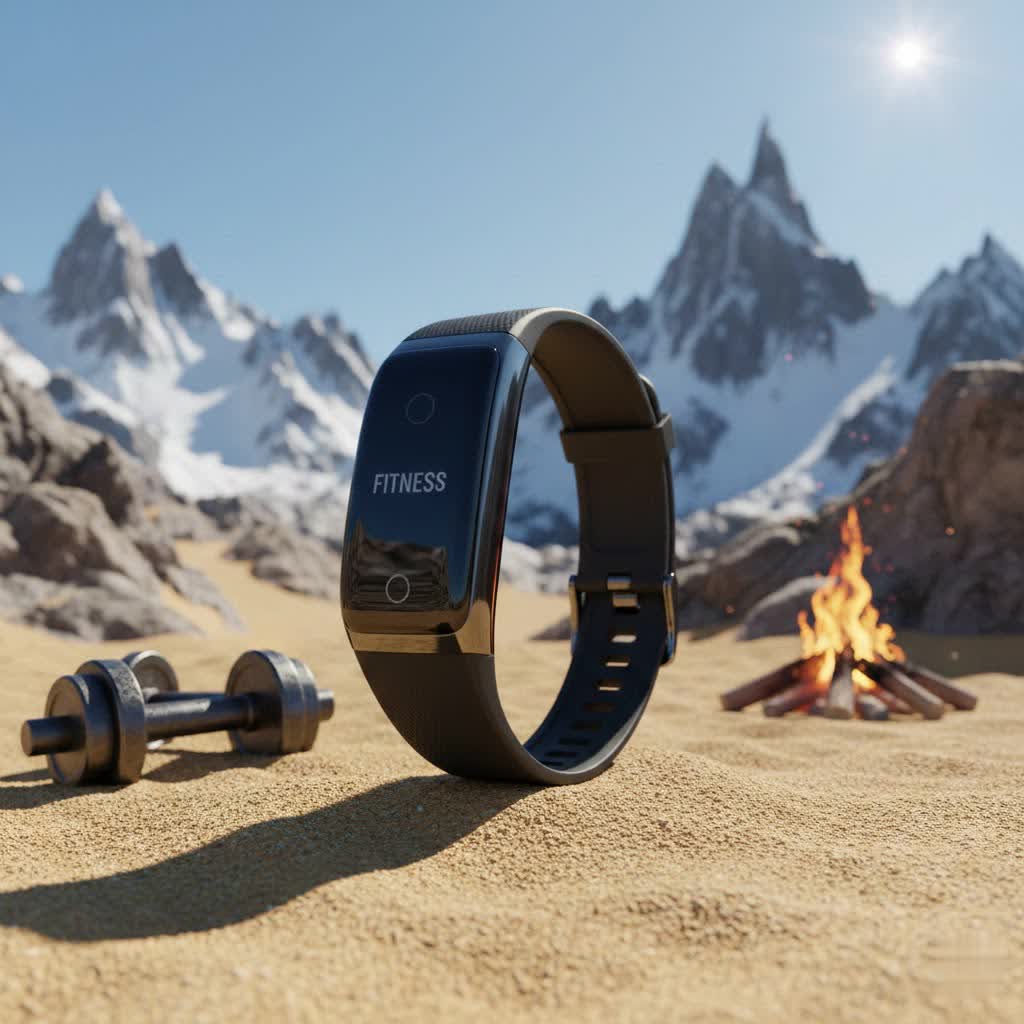
What is a Smartwatch Fitness Tracker? Why Do You Need One?
A smartwatch fitness tracker is a sophisticated wearable device designed to perform the dual functions of a traditional smartwatch and a dedicated fitness tracker. Beyond simply telling time, these devices act as an extension of your smartphone, delivering notifications, enabling calls, and offering a myriad of apps, all while meticulously tracking your physical activity and health metrics.
The primary benefit of integrating a smartwatch with fitness tracking capabilities is the unparalleled convenience it offers. Instead of juggling multiple devices, you get an all-in-one gadget that monitors your steps, heart rate, sleep patterns, and workout performance, simultaneously keeping you connected to your digital world. For anyone looking to enhance their overall well-being, manage chronic conditions, or simply stay motivated on their fitness journey, a smartwatch fitness tracker provides real-time data and actionable insights. Athletes, busy professionals, and individuals keen on proactive health management will find these devices invaluable in maintaining a balanced and active lifestyle.
Understanding the Landscape: Smartwatch vs. Dedicated Fitness Tracker
While the lines between smartwatches and dedicated fitness trackers have blurred, understanding their core distinctions helps in making an informed choice. A dedicated fitness tracker typically prioritizes health and activity monitoring, often featuring a more compact design, longer battery life, and a simpler interface. These are ideal if your sole focus is on tracking steps, sleep, and basic workout data without the distractions of advanced smart features.
On the other hand, a smartwatch with robust fitness tracking offers a broader spectrum of functionalities. Think of it as a mini-smartphone on your wrist, capable of sending texts, making calls, controlling music, and facilitating mobile payments, in addition to its comprehensive health suite. While smartwatches generally come with a higher price tag and may require more frequent charging, their versatility makes them an attractive option for those who desire both seamless connectivity and detailed health insights. Many modern smartwatches are specifically engineered to excel in both domains, offering high-accuracy sensors for fitness while providing a rich app ecosystem.
Key Features to Consider in Your Smartwatch Fitness Tracker
Choosing the right smartwatch fitness tracker involves evaluating several critical factors to ensure it meets your specific needs and preferences.
-
Defining Your Needs: Before diving into features, consider your primary use. Are you a marathon runner needing advanced GPS and performance metrics, or are you primarily interested in daily activity, sleep, and general health monitoring? Your workout intensity, daily routine, and desired level of connectivity will guide your feature requirements.
-
Essential Health and Fitness Features:
- Heart Rate Monitoring: A precise heart rate sensor is fundamental for gauging workout intensity, understanding cardiovascular fitness, and monitoring resting heart rate.
- GPS Tracking: For outdoor activities like running, cycling, or hiking, built-in GPS is crucial for accurately tracking distance, pace, and routes without needing your phone. Look for devices that support multiple satellite systems for enhanced accuracy.
- Sleep Tracking: Monitoring sleep duration, quality, and stages (light, deep, REM) can offer valuable insights into your recovery and overall well-being.
- Blood Oxygen (SpO2) and ECG: Advanced models often include SpO2 sensors to measure blood oxygen saturation, aiding in sleep apnea detection, and ECG capabilities to detect irregular heart rhythms.
- Activity Tracking: This includes step counting, calorie burn estimation, and automatic workout detection.
- Battery Life: Depending on your usage, battery life can range from a single day to several weeks. If you plan on continuous tracking, including sleep, or extended outdoor activities, prioritize models with multi-day battery life.
- Water Resistance: Essential for swimmers or anyone wanting to wear their device in the shower or rain. Look for ratings like 5ATM or 10ATM for reliable water protection.
- Durability: Materials like aluminum, titanium, or reinforced glass contribute to a more robust device, vital for active users.
-
Smart Features & Compatibility:
- Smartphone Compatibility: Ensure the smartwatch fitness tracker is compatible with your smartphone’s operating system (iOS or Android). Apple Watches are exclusive to iPhones, while Samsung Galaxy Watches and Google Pixel Watches are optimized for Android. Many Garmin and Fitbit devices offer cross-platform compatibility.
- Notifications & Calls: The ability to receive alerts, answer calls, and reply to messages directly from your wrist enhances convenience.
- Mobile Payments: Features like Google Pay, Apple Pay, or Samsung Pay allow for contactless payments on the go.
- App Ecosystem: Access to a wide range of third-party apps can expand functionality, from fitness apps to navigation tools.
-
Budget: Smartwatch fitness trackers vary widely in price. Determine your budget range, understanding that higher prices typically translate to more advanced features, premium materials, and superior accuracy.
Top Smartwatch Fitness Trackers – A Detailed Comparison
The market for smartwatch fitness trackers is vibrant, with continuous innovation introducing powerful new models. Here’s a look at some of the top contenders currently available, offering a blend of smart features and advanced fitness tracking.
| Model | Ecosystem | Key Fitness Features | Smart Features | Battery Life (Avg.) | Highlights |
|---|---|---|---|---|---|
| Apple Watch Ultra 2 | iOS | Multi-sport tracking, advanced GPS, accurate HR, SpO2, ECG, dive computer | Calls, texts, Apple Pay, vast app ecosystem | 36 hours (up to 60 in low power) | Extremely rugged, brightest display, excellent for serious athletes and adventurers, best for iPhone users. |
| Samsung Galaxy Watch Ultra / Watch 7 | Android (Samsung) | Comprehensive health tracking (HR, SpO2, ECG, sleep, body composition, skin temperature), advanced workout modes | Calls, texts, Samsung Pay, Google apps | 30-40 hours (Ultra, varies) | Best for Android users, especially within the Samsung ecosystem. The Ultra offers premium durability and extended battery, Watch 7 provides strong health insights. |
| Garmin Venu 3 | iOS/Android | Highly accurate GPS, HR, SpO2, Body Battery, Sleep Coach, 100+ sport modes | Calls, texts, Garmin Pay, music storage | Up to 14 days (smartwatch mode) | Exceptional battery life for a hybrid device, precise fitness tracking, deep recovery insights, microphone/speaker for calls. Great for comprehensive health and fitness. |
| Google Pixel Watch 3 | Android (Pixel) | Fitbit integration for HR, sleep, SpO2, stress, extensive workout modes | Google Assistant, Google Wallet, calls, texts, apps | Up to 24-30 hours | Seamless integration with Google services and Fitbit’s robust health platform. Improved accuracy and stylish design. |
| Fitbit Charge 6 | iOS/Android | HR, SpO2, sleep tracking, stress, EDA scan, 20 exercise modes | Notifications, Google Maps, Google Wallet | Up to 7 days | An excellent, affordable option for beginners or those prioritizing basic but accurate health and fitness tracking in a sleek band design. |
- Recommendations for Different User Profiles:
- For Apple Enthusiasts & Serious Athletes: The Apple Watch Ultra 2 is unmatched for its robust build, advanced metrics, and seamless iPhone integration.
- For Android Power Users: The Samsung Galaxy Watch Ultra stands out with its comprehensive health suite and deep integration within the Android/Samsung ecosystem.
- For All-Round Fitness & Long Battery Life: The Garmin Venu 3 is a powerhouse, offering top-tier fitness tracking, recovery insights, and impressive battery longevity across both iOS and Android.
- For Google Service Users: The Google Pixel Watch 3 provides a stylish design combined with excellent Fitbit health tracking and Google’s smart features.
- For Beginners or Budget-Conscious Users: The Fitbit Charge 6 offers essential, accurate tracking at an accessible price point, making it a great entry into wearable health technology.
Maximizing Your Smartwatch Fitness Tracker: Usage and Care
Getting the most out of your smartwatch fitness tracker involves proper setup, consistent use, and diligent maintenance.
- Initial Setup and Synchronization: Upon unboxing, fully charge your device. Download the manufacturer’s companion app (e.g., Apple Health, Samsung Health, Garmin Connect, Fitbit app) and follow the on-screen instructions to pair it with your smartphone. Ensure all necessary permissions are granted for accurate data collection and notifications. Customize your watch face, set personal goals, and enable relevant health tracking features.
- Utilizing Core Features:
- Workout Tracking: Start specific workout modes (running, cycling, swimming) to get detailed metrics. Many devices offer automatic workout detection, but manual activation often yields more accurate data.
- Heart Rate Zones: Understand your heart rate zones (fat burn, cardio, peak) to optimize your training intensity for different goals.
- Sleep Monitoring: Wear your device to bed consistently to gather comprehensive sleep data, including sleep stages and disturbances.
- Smart Notifications: Customize which app notifications you receive to avoid constant interruptions while staying informed about important alerts.
- Maintenance Tips:
- Regular Cleaning: Clean your device and strap regularly with a soft, damp cloth to prevent skin irritation and maintain hygiene. Avoid harsh chemicals.
- Charging Habits: Avoid letting the battery fully deplete frequently. Charge it when convenient, ideally before it drops below 20%.
- Software Updates: Keep your device’s software updated to benefit from new features, bug fixes, and improved accuracy.
- Water Exposure: While many are water-resistant, always check the specific rating. Rinse with fresh water after swimming in chlorinated or saltwater.
Important Considerations for Effective Smartwatch Fitness Tracker Use
While smartwatch fitness trackers are powerful tools, it’s crucial to understand their limitations and how to use them most effectively.
- Accuracy and Factors Affecting It: Wrist-based heart rate and SpO2 sensors, while vastly improved, are not medical-grade devices. Factors like skin tone, tattoo placement, watch fit, and movement during exercise can affect accuracy. For critical medical decisions, always consult a healthcare professional. GPS accuracy can be affected by dense urban environments or heavy tree cover.
- Health Alerts and Professional Advice: Many smartwatches offer valuable health alerts, such as high/low heart rate notifications or irregular rhythm detection (ECG). These are excellent early warning systems, but they are not a substitute for professional medical diagnosis. If you receive concerning alerts, always follow up with your doctor.
- Expert Tips for Optimal Usage:
- Consistency is Key: Wear your device consistently to get the most accurate baseline data for health trends.
- Listen to Your Body: Don’t rely solely on data; combine it with how you feel. A tracker might tell you to push harder, but if you’re feeling fatigued, rest is paramount.
- Set Realistic Goals: Use the data to set achievable fitness goals and track progress, which can be a huge motivator.
- Integrate with Apps: Leverage third-party apps for specialized workouts, nutrition tracking, or community challenges to enhance your experience.
“A fitness tracker is a powerful mirror reflecting your daily habits. It empowers you with data, but ultimately, the commitment to change comes from within.” – Dr. Anya Sharma, Sports Medicine Physician
Conclusion
The journey to finding the best smartwatch fitness tracker is a personal one, guided by your unique health goals, activity levels, and desired connectivity. These advanced wearables offer an incredible opportunity to gain deeper insights into your body, optimize your training, and stay seamlessly connected to your world. By carefully considering features like heart rate monitoring, GPS, battery life, and compatibility, you can select a device that not only tracks your progress but also inspires you to live a healthier, more active life.
So, are you ready to unlock your full potential with the perfect smartwatch fitness tracker on your wrist?
Frequently Asked Questions
Which is better for fitness tracking: a smartwatch or a dedicated fitness tracker?
|
Our Picks for the Best Fitness Tracker in 2026
As an Amazon Associate I earn from qualifying purchases.
|
||
| Num | Product | Action |
|---|---|---|
| 1 | Fitness Tracker with Heart Rate/Blood Oxygen/Sleep Monitor, 20+ Sports Modes Smart Watches for Women/Men, Activity & Step Tracker Smart Watch for Android/iOS Phones |

|
| 2 | GANSI Smart Ring for Women & Men - IP68 Waterproof Fitness Tracker -Sleep Tracking Heart Rate Healthy Monitor - Activity/Steps/Calories - for iOS & Android 10# |
|
| 3 | Fitness Tracker with 24/7Heart Rate, Blood Pressure, Sleep Tracking, Calorie, Activity Tracker with 1.1" AMOLED Color Screen, Waterproof Step Tracker for Android iPhones Women Men |
|
| 4 | Fitbit Inspire 3 Health &-Fitness-Tracker with Stress Management, Workout Intensity, Sleep Tracking, 24/7 Heart Rate and more, Midnight Zen/Black One Size (S & L Bands Included) |
|
| 5 | MorePro Fitness Tracker(Answer/Make Call), 1.83” Health Fitness Watch with Heart Rate, Blood Pressure,SpO2 and Sleep Monitor, 100+ Sports Modes, IP68 Waterproof Smart Watch for Men Women |
|
| 6 | Fitbit Charge 6 Fitness Tracker with Google apps, Heart Rate on Exercise Equipment, 6-Months Premium Membership Included, GPS, Health Tools and More, Obsidian/Black, One Size (S & L Bands Included) |
|
| 7 | WHOOP 5.0/MG Activity Tracker - 12 Month Membership - Health and Fitness Wearable – 24/7 Activity and Sleep Tracker, Personalized Coaching, Menstrual Cycle Insights – 14+ Days Battery Life |
|
| 8 | Garmin Forerunner 55, GPS Running Watch with Daily Suggested Workouts, Up to 2 Weeks of Battery Life, Black - 010-02562-00 |
|
| 9 | USMECBL Fitness Trackers,Smart Band 24/7 Health Monitoring,Blood Oxygen Heart Rate Sleep Monitor,Calorie Pedometer Steps Counter Activity watchs/Notifications for iOS/Android |
|
| 10 | EnergyPort Purple Fitness Tracker with Quartz Display - Smart Bracelet Monitor Heart Rate, Sleep, IP68 Waterproof for Women, 30-Day Battery Life, Smart Notifications, Compatible with Android and iOS |
|
For most users seeking both smart features and comprehensive fitness insights, a modern smartwatch with robust fitness capabilities (like the Apple Watch Ultra, Samsung Galaxy Watch Ultra, or Garmin Venu 3) is generally better. Dedicated trackers are best for those who prioritize simplicity, discreet design, and maximum battery life for core health metrics.
Do I need a GPS-enabled smartwatch fitness tracker?
If you participate in outdoor activities like running, cycling, or hiking and want accurate distance, pace, and route mapping without carrying your phone, then a GPS-enabled smartwatch fitness tracker is essential. For indoor workouts or basic step counting, it’s less critical.
How important is battery life for a smartwatch fitness tracker?
Battery life is crucial, especially if you plan to use features like sleep tracking, continuous heart rate monitoring, or extended GPS-based workouts. Devices offering multi-day battery life (e.g., Garmin Venu 3) significantly enhance convenience and reduce charging frequency.
Can smartwatch fitness trackers help with weight loss?
Yes, by tracking calories burned, steps taken, and workout intensity, a smartwatch fitness tracker can provide valuable data to help you manage your activity levels. Combined with dietary changes and consistent effort, it can be a powerful tool for achieving weight loss goals.
Are smartwatch fitness trackers accurate for heart rate and blood oxygen?
Modern smartwatch fitness trackers have significantly improved in accuracy for heart rate and blood oxygen (SpO2) monitoring. However, they are not medical devices and should not be used for diagnosis. For clinical accuracy, specialized medical equipment or professional consultation is always recommended.
