Are you striving to achieve your health and fitness goals but don’t want to break the bank on expensive gadgets? The good news is that staying on top of your wellness journey doesn’t require a hefty investment. Affordable fitness trackers have evolved remarkably, offering a wealth of features once exclusive to high-end devices. This comprehensive guide will navigate you through the world of budget-friendly options, helping you discover the perfect companion for your health aspirations in 2026.
What is a Fitness Tracker? Why Do You Need One?
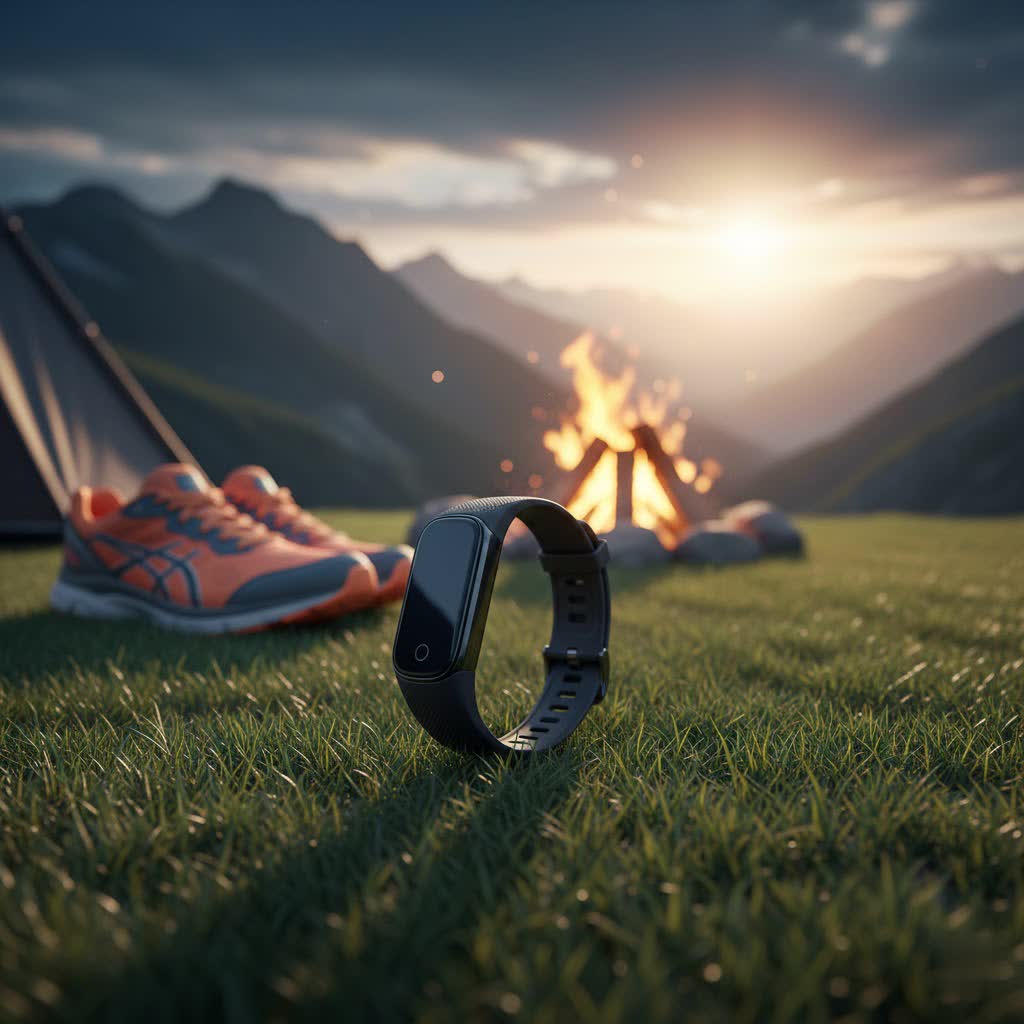
A fitness tracker is a wearable device designed to monitor various aspects of your physical activity and health. These smart gadgets, typically worn on the wrist, provide valuable insights into your daily habits, making it easier to set and achieve personal wellness goals. From counting your steps to analyzing your sleep, a fitness tracker acts as your personal health assistant.
The core functions of a fitness tracker often include step counting, distance traveled, calories burned, and continuous heart rate monitoring. Many models also track sleep patterns, assess stress levels, and even measure blood oxygen saturation (SpO2). The benefits extend beyond mere data collection; these devices offer motivation, help you identify trends in your health, and can encourage a more active lifestyle. They are ideal for a wide range of users, whether you’re a seasoned athlete aiming to optimize performance, someone looking to establish healthier routines, or simply a health-conscious individual keen on understanding their body better.
Popular Types of Fitness Trackers on the Market
The market for fitness trackers offers a diverse array of devices, primarily categorized by their design and feature sets. Understanding these distinctions can help you pinpoint what best suits your lifestyle and budget.
1. By Form Factor:
- Fitness Bands: These are typically slim, lightweight wristbands with a minimalist display. They are often more discreet and comfortable for all-day wear, especially during sleep. Examples include the Fitbit Inspire series and Amazfit Band series.
- Pros: Generally more affordable, comfortable, long battery life, focus on essential tracking.
- Cons: Smaller screen, limited smart features, less customizable appearance.
- Smartwatches (Fitness-Focused): While full smartwatches offer extensive app ecosystems, many budget-friendly “smartwatch-like” fitness trackers combine a larger display with robust fitness tracking. These often resemble traditional watches. Examples include the Amazfit Bip series and certain Garmin Forerunner models.
- Pros: Larger, often color displays, more aesthetic variety, sometimes include advanced features like GPS or NFC.
- Cons: Can be bulkier, shorter battery life than basic bands, may still lack full smartwatch capabilities.
2. By Feature Set:
- Basic Trackers: Focus on fundamental metrics like steps, distance, and calories. Ideal for beginners or those primarily interested in activity monitoring.
- Intermediate Trackers: Add essential health monitoring such as continuous heart rate, comprehensive sleep analysis, and stress tracking. Some may offer connected GPS (uses your phone’s GPS).
- Advanced Budget Trackers: These devices push the boundaries of affordability, incorporating features like built-in GPS for phone-free workouts, SpO2 monitoring, and sometimes even basic NFC for mobile payments.
Each type has its unique advantages, and advancements in technology mean that even affordable options are increasingly packed with sophisticated tracking capabilities.
Comparison Table of the Best Affordable Fitness Trackers Today
Finding the right balance between features and cost is key. Here’s a comparison of some of the best affordable fitness trackers available, highlighting their strengths and what they offer for their price.
| Model | Price Range | Key Features (GPS, HR, Sleep, Battery) | Pros | Cons | Best For |
|---|---|---|---|---|---|
| Fitbit Inspire 3 | Around $100 | HR, Sleep, SpO2, 10-day battery, no onboard GPS | Bright AMOLED screen, lightweight, excellent battery | No onboard GPS, small screen, some features behind paywall | Overall balanced tracking, comfort, beginners |
| Amazfit Bip 6 | Under $100 | Onboard GPS, HR, Sleep, 14-day battery, SpO2 | Onboard GPS, bright AMOLED, long battery, offline maps | Less refined app, no NFC, limited smart features | Runners, outdoor enthusiasts on a budget |
| Fitbit Charge 6 | Around $160 | Onboard GPS, HR, Sleep, SpO2, 7-day battery, NFC | Built-in GPS, Google apps (Maps, Wallet), accurate HR | Higher price point, smaller screen than smartwatches | Users wanting GPS & some smart features |
| Garmin Vivosmart 5 | Around $150 | Connected GPS, HR, Sleep, SpO2, 7-day battery | Excellent sleep tracking, comprehensive Garmin Connect | No onboard GPS, monochrome display, fiddly interface | Garmin ecosystem users, sleep tracking focus |
| Amazfit Band 7 | Under $50 | HR, Sleep, SpO2, 18-day battery, no onboard GPS | Very affordable, long battery, comfortable, Alexa built-in | No onboard GPS, screen sometimes hard to view | Extreme budget, basic tracking, long battery |
| Xiaomi Smart Band 9 | Under $40 | HR, Sleep, SpO2, 18-day battery, no onboard GPS | Incredibly affordable, detailed workout reports, easy UI | No onboard GPS, no physical button, basic notifications | Best value, casual fitness, detailed tracking |
| Garmin Forerunner 55 | Around $200 | Onboard GPS, HR, Sleep, 14-day battery (20h GPS) | Accurate GPS, Garmin Coach, excellent for runners | Higher price, no NFC/music, simpler display | Dedicated runners |
Guide to Choosing the Right Affordable Fitness Tracker
Selecting the perfect affordable fitness tracker involves considering your personal needs, lifestyle, and priorities. With so many options, narrowing down your choice can feel daunting.
1. Define Your Primary Needs:
- Basic Activity Tracking? If you just want to count steps, monitor calories, and get a general sense of your activity, a very budget-friendly option like the Amazfit Band 7 or Xiaomi Smart Band 9 might suffice.
- Serious About Workouts? For runners or cyclists who want precise distance and pace without carrying a phone, a tracker with onboard GPS like the Amazfit Bip 6 or Fitbit Charge 6 is essential.
- Health Monitoring? If heart rate variability, SpO2, and detailed sleep analysis are priorities, ensure the device offers these features and provides clear insights through its app.
- Smart Features? Do you need smartphone notifications, music controls, or contactless payments? The Fitbit Charge 6 offers more in this regard among affordable options.
2. Key Factors to Consider:
- Features: Beyond the basics, think about what truly matters to you. Do you need specific workout modes for swimming, yoga, or weightlifting? Is menstrual cycle tracking important?
- Accuracy: While no consumer fitness tracker is medical-grade, reputable brands offer reliable data for general fitness purposes. Look for reviews that highlight consistency in heart rate and step counting.
- Battery Life: This is a crucial aspect for convenience. Some bands offer weeks of battery life, while others (especially those with GPS or larger screens) might last a week or less. Longer battery life means less frequent charging and uninterrupted sleep tracking.
- Water Resistance: Most trackers are water-resistant enough for splashes and showers, but if you plan to swim, look for a rating of 5ATM or higher.
- Design and Comfort: The tracker will be on your wrist for extended periods, so comfort is paramount. Consider the band material, screen size, and overall weight. A larger screen (like the Amazfit Bip 6) might be easier to read, while a smaller, lighter band (like the Fitbit Inspire 3) can be more comfortable for sleep.
- App Ecosystem and Compatibility: Ensure the tracker’s companion app is user-friendly, provides actionable insights, and is compatible with your smartphone (iOS or Android). Some ecosystems, like Garmin Connect or Fitbit, offer more in-depth data and community features.
- Budget: Affordable trackers typically range from under $40 to around $200. Determine your maximum spending limit, keeping in mind that more features often come with a slightly higher price tag.
By carefully evaluating these points, you can make an informed decision and find an affordable fitness tracker that perfectly aligns with your health and fitness journey.
Top Affordable Fitness Trackers of 2026
Here’s a closer look at some of the standout affordable fitness trackers in 2026, highly favored by users and experts for their performance and value.
Fitbit Inspire 3: The All-Rounder for Basics
|
Our Picks for the Best Fitness Tracker in 2026
As an Amazon Associate I earn from qualifying purchases.
|
||
| Num | Product | Action |
|---|---|---|
| 1 | MorePro Fitness Tracker(Answer/Make Call), 1.83” Health Fitness Watch with Heart Rate, Blood Pressure,SpO2 and Sleep Monitor, 100+ Sports Modes, IP68 Waterproof Smart Watch for Men Women |

|
| 2 | Fitbit Charge 6 Fitness Tracker with Google apps, Heart Rate on Exercise Equipment, 6-Months Premium Membership Included, GPS, Health Tools and More, Obsidian/Black, One Size (S & L Bands Included) |
|
| 3 | USMECBL Fitness Trackers,Smart Band 24/7 Health Monitoring,Blood Oxygen Heart Rate Sleep Monitor,Calorie Pedometer Steps Counter Activity watchs/Notifications for iOS/Android |
|
| 4 | Garmin Forerunner 55, GPS Running Watch with Daily Suggested Workouts, Up to 2 Weeks of Battery Life, Black - 010-02562-00 |
|
| 5 | Fitness Tracker with 24/7Heart Rate, Blood Pressure, Sleep Tracking, Calorie, Activity Tracker with 1.1" AMOLED Color Screen, Waterproof Step Tracker for Android iPhones Women Men |
|
| 6 | Fitness Tracker with Heart Rate/Blood Oxygen/Sleep Monitor, 20+ Sports Modes Smart Watches for Women/Men, Activity & Step Tracker Smart Watch for Android/iOS Phones |
|
| 7 | EnergyPort Purple Fitness Tracker with Quartz Display - Smart Bracelet Monitor Heart Rate, Sleep, IP68 Waterproof for Women, 30-Day Battery Life, Smart Notifications, Compatible with Android and iOS |
|
| 8 | Fitbit Inspire 3 Health &-Fitness-Tracker with Stress Management, Workout Intensity, Sleep Tracking, 24/7 Heart Rate and more, Midnight Zen/Black One Size (S & L Bands Included) |
|
| 9 | GANSI Smart Ring for Women & Men - IP68 Waterproof Fitness Tracker -Sleep Tracking Heart Rate Healthy Monitor - Activity/Steps/Calories - for iOS & Android 10# |
|
| 10 | WHOOP 5.0/MG Activity Tracker - 12 Month Membership - Health and Fitness Wearable – 24/7 Activity and Sleep Tracker, Personalized Coaching, Menstrual Cycle Insights – 14+ Days Battery Life |
|
The Fitbit Inspire 3 continues to be a top recommendation for those seeking a reliable and comfortable tracker that nails the fundamentals. For around $100, you get a bright AMOLED color screen, a comfortable and discreet design, and an impressive 10-day battery life. It excels in accurate heart rate monitoring, detailed workout tracking, and logging sleep stages, providing useful insights into your overall wellness through the intuitive Fitbit app. While it lacks built-in GPS, it uses your phone’s GPS for distance tracking during outdoor activities. It’s an excellent choice for beginners or anyone prioritizing comfort and ease of use.
Amazfit Bip 6: Best Under $100 with GPS
For those who crave onboard GPS without a high price tag, the Amazfit Bip 6 is a standout. Resembling a modern smartwatch, this device offers a vibrant AMOLED display, up to 14 days of battery life, and more than 140 workout modes. Its integrated GPS allows you to track runs and rides accurately without needing your phone, a significant advantage at its sub-$100 price point. It also tracks heart rate, blood oxygen, and sleep, making it a powerful tool for active individuals on a budget.
Fitbit Charge 6: The Smart Upgrade with Built-in GPS
Stepping up slightly in price, the Fitbit Charge 6 is Google’s flagship tracker and a strong contender for the best affordable fitness tracker with more advanced features. For around $160, it includes built-in GPS, a bright AMOLED screen, and the convenience of Google Maps, YouTube Music controls, and Google Wallet for contactless payments. Its accurate heart rate sensor and comfortable design make it ideal for comprehensive activity tracking, including connecting to compatible gym equipment. It’s a fantastic option if you’re willing to invest a little more for integrated smart features and phone-free GPS tracking.
Amazfit Band 7: The Ultra-Budget Champion
If your budget is truly constrained, the Amazfit Band 7 offers incredible value for under $50. This slim band delivers an impressive 18-day battery life, a comfortable design, and essential health tracking including heart rate, SpO2, and stress monitoring. It also features Amazon Alexa built-in for voice commands. While it doesn’t have onboard GPS, its robust feature set and exceptional battery life make it an unbeatable choice for basic activity and sleep tracking at a rock-bottom price.
Garmin Forerunner 55: For the Serious Runner
For dedicated runners looking for an affordable yet advanced training partner, the Garmin Forerunner 55 (around $200) is a phenomenal option. It boasts highly accurate onboard GPS for precise pace and distance tracking, along with Garmin Coach adaptive training plans. It monitors heart rate, sleep, and offers a robust suite of running metrics and recovery tools. While it’s more expensive than other “affordable” options, its specialized running features and integration with the comprehensive Garmin Connect ecosystem provide immense value for serious athletes.
“The democratization of advanced tracking features means you no longer have to spend a fortune to gain meaningful insights into your health. Prioritize features that genuinely support your goals, and you’ll find an abundance of value in today’s affordable fitness trackers.” – Dr. Elena Petrova, Wearable Technology Analyst
How to Use and Maintain Your Affordable Fitness Tracker
Maximizing the benefits and lifespan of your affordable fitness tracker involves proper setup, consistent use, and regular maintenance.
1. Getting Started: Setup and Synchronization
- Charge it Up: Most new trackers come with some charge, but it’s best to fully charge it before first use.
- Download the App: Find the companion app (e.g., Fitbit app, Zepp app, Garmin Connect) for your specific tracker in your smartphone’s app store.
- Pair Your Device: Follow the in-app instructions to pair your tracker via Bluetooth. This typically involves holding a button on the tracker or scanning a QR code.
- Create Your Profile: Enter your personal details (age, height, weight, gender) as these are crucial for accurate calorie and activity calculations. Set your initial health and fitness goals.
2. Daily Use: Making the Most of Features
- Wear It Correctly: For accurate heart rate and SpO2 readings, ensure the tracker is snug but comfortable, typically one finger-width above your wrist bone.
- Start Workouts: Manually start and stop tracking for specific workouts to get the most accurate data. Many trackers also offer automatic workout detection for common activities like walking or running.
- Review Your Data: Regularly check the app for daily summaries, sleep reports, heart rate trends, and progress towards your goals. Use these insights to adjust your routine.
- Stay Hydrated & Active: Your tracker is a tool; remember to combine its insights with healthy habits like drinking enough water and moving throughout the day.
3. Care and Maintenance for Longevity
- Regular Cleaning: Sweat and dirt can accumulate under the band and sensor. Clean your tracker regularly with a soft, damp cloth and mild soap. Ensure it’s completely dry before wearing it again.
- Charging Habits: Avoid letting the battery completely drain repeatedly. Charge it when you receive low-battery notifications. Use the original charger to prevent damage.
- Software Updates: Keep your tracker’s firmware and the companion app updated. Updates often bring new features, bug fixes, and improved accuracy.
- Water Exposure: Even if water-resistant, it’s wise to dry your tracker after swimming or showering to prevent skin irritation and prolong its life. Avoid exposing it to hot water or steam, as this can degrade seals.
Important Considerations When Using an Affordable Fitness Tracker
While affordable fitness trackers offer a fantastic way to monitor your health, it’s crucial to approach their data with a balanced perspective.
1. Understanding Accuracy Limitations:
Affordable fitness trackers provide valuable estimates and trends for general wellness purposes. However, they are generally not medical devices and should not be used for diagnosing or treating health conditions. Factors like wrist placement, skin tone, movement type, and even environmental conditions can influence the accuracy of readings like heart rate and step counts. Focus on the trends and patterns rather than obsessing over minute-by-minute exact figures.
2. Not a Substitute for Professional Medical Advice:
While trackers can alert you to unusual heart rate patterns or changes in sleep, they cannot replace the advice of a healthcare professional. If you have concerns about your health, consult a doctor. Use the data from your tracker as a conversation starter with your physician, not as a definitive diagnostic tool.
3. Expert Advice for Effective Use:
- Consistency is Key: Wear your tracker consistently, especially for sleep and daily activity, to gather meaningful long-term data.
- Set Realistic Goals: Use the data to set achievable fitness goals. Seeing tangible progress, even small steps, can be a powerful motivator.
- Don’t Over-rely: A fitness tracker is a tool to support your journey, not to dictate every move. Listen to your body and adjust your activity based on how you feel, alongside the data.
- Explore the App: Dive deep into the companion app. Many apps offer more detailed analytics, challenges, and community support that can enhance your experience.
Conclusion
The pursuit of better health doesn’t have to be an expensive endeavor. In 2026, the market for affordable fitness trackers is richer than ever, offering powerful features that make wellness monitoring accessible to everyone. From the versatile Fitbit Inspire 3 to the GPS-equipped Amazfit Bip 6, and the ultra-budget-friendly Amazfit Band 7, there’s a reliable device ready to support your goals without straining your wallet. By understanding your needs and choosing wisely, you can leverage the power of these incredible gadgets to motivate, inform, and ultimately, transform your health journey.
What are your non-negotiable features when choosing a fitness tracker on a budget?
Frequently Asked Questions
Are cheap fitness trackers accurate?
While not medical-grade devices, many affordable fitness trackers offer good accuracy for general wellness tracking like steps, heart rate, and sleep patterns. Factors like proper fit and movement type can influence readings, but for tracking trends and motivating activity, they are largely reliable and effective.
Do affordable fitness trackers have GPS?
Some affordable fitness trackers, such as the Amazfit Bip 6 and Fitbit Charge 6, include built-in GPS, allowing for accurate tracking of outdoor activities without needing your phone. Other budget options might offer “connected GPS,” which utilizes your smartphone’s GPS for location data.
What’s the difference between a fitness tracker and a smartwatch?
A fitness tracker primarily focuses on health and activity monitoring with basic notifications. A smartwatch offers more extensive smartphone integration, a wider range of apps, and advanced communication features, often at a higher price point. Many affordable fitness trackers now blur these lines by offering some smartwatch-like features.
Is a premium subscription needed for budget trackers?
Most core tracking features (steps, heart rate, basic sleep) are available for free with affordable fitness trackers. However, some brands, like Fitbit, offer more advanced insights, personalized coaching, or in-depth data behind an optional premium subscription service. Always check what’s included before purchasing.
How long do affordable fitness trackers last?
The lifespan of an affordable fitness tracker typically ranges from 2 to 4 years, depending on brand quality, usage, and care. Factors like battery degradation and wear and tear on materials are common. Following maintenance tips, such as regular cleaning and proper charging, can help extend its functional life.
