In a world that never truly sleeps, optimizing our physical activity and sleep quality has become paramount. With advancements in wearable technology, the “fitness tracker” has evolved from a simple step counter into a sophisticated personal health companion. If you’re looking to elevate your well-being, understanding your body’s rhythm through a dedicated fitness and sleep tracker is the first crucial step. This comprehensive guide will navigate the best options available in 2026, helping you find the perfect device to meet your health and performance goals.
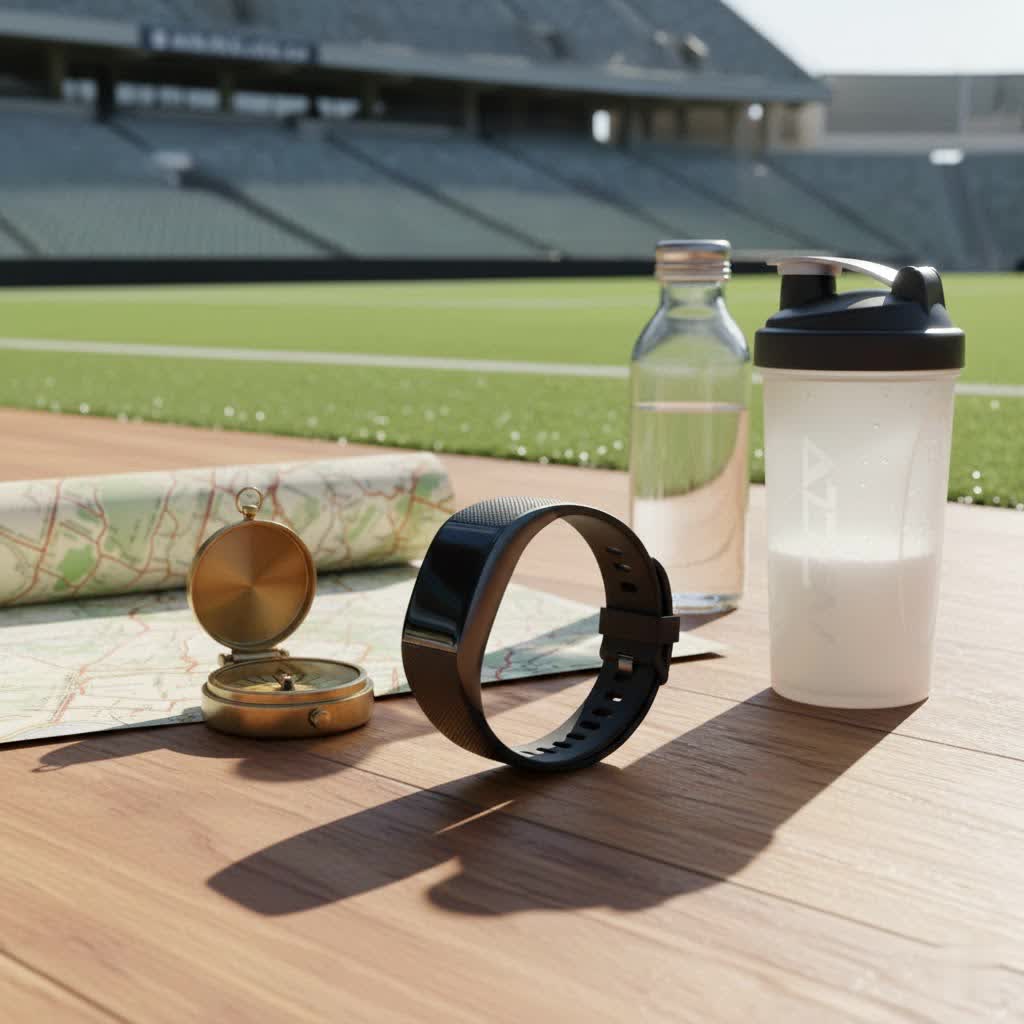
What is a Fitness Tracker and Why Do You Need One?
A fitness tracker is a wearable device designed to monitor various health-related metrics throughout your day and night. From counting steps to analyzing intricate sleep patterns, these devices provide valuable data that can inform and motivate your health journey. They typically integrate sensors to measure activity, heart rate, and increasingly, advanced metrics like blood oxygen levels and skin temperature.
The benefits of using a fitness tracker are extensive, impacting both physical health and mental well-being. They offer accountability, help you identify patterns in your daily habits, and provide insights that can lead to significant improvements in your lifestyle. For instance, understanding your average daily steps can motivate you to walk more, while detailed sleep analysis can prompt adjustments to your bedtime routine for better rest.
Fitness trackers are beneficial for a wide array of individuals. Athletes can leverage advanced metrics for training optimization and recovery, while those new to fitness can use them to establish baselines and track progress. Even individuals primarily focused on general health and wellness, or managing specific conditions, can gain invaluable insights into their daily activity, heart health, and sleep cycles.
Popular Types of Fitness Trackers on the Market
The market for fitness trackers is diverse, offering devices tailored to different preferences and needs. Understanding the various types can help narrow down your choices.
Devices can be broadly categorized by their form factor:
- Wristbands/Bands: These are typically slim, lightweight, and often more affordable. Examples include the Fitbit Inspire series and Xiaomi Mi Band. They are excellent for basic activity and sleep tracking without being obtrusive.
- Smartwatches: More robust devices like the Apple Watch, Google Pixel Watch, and Garmin Vivoactive or Forerunner series. They offer extensive fitness and health tracking alongside smartwatch functionalities like notifications, calls, and payments. Their larger screens provide more data at a glance.
- Smart Rings: Devices like the Oura Ring 4 prioritize comfort and discreetness, especially for sleep tracking. Worn on the finger, they can provide highly accurate data for sleep, recovery, and general well-being without the distraction of a screen.
Trackers also differ significantly in their feature sets:
- Basic Activity Trackers: Focus on step counting, distance, calories burned, and rudimentary sleep tracking.
- Advanced Health Trackers: Incorporate continuous heart rate monitoring, GPS for outdoor activities, blood oxygen (SpO2) tracking, stress detection, and more detailed sleep stage analysis (light, deep, REM).
- Performance-Oriented Trackers: Often geared towards athletes, these include advanced training metrics, recovery insights, body battery/readiness scores, and in-depth performance analytics.
Each type has its own set of advantages and disadvantages. Wristbands are generally more comfortable for sleep and budget-friendly, but lack the smart features of watches. Smartwatches are versatile but can be bulkier and require more frequent charging. Smart rings excel at discreet, accurate health and sleep tracking but may not offer the same real-time workout data as a watch.
Comparison Table: Best Fitness and Sleep Trackers Today
Choosing the best fitness and sleep tracker involves weighing various features against your personal requirements. Here’s a look at some of the top contenders in 2026, highlighting their key attributes for both fitness and sleep.
| Tracker Model | Key Fitness Features | Key Sleep Features | Battery Life | Price Range | Best For |
|---|---|---|---|---|---|
| Oura Ring 4 | Activity tracking, readiness score, workout heart rate | Advanced sleep stages, temperature, HRV, SpO2, sleep score | 4-7 days | Premium | Holistic health, accurate sleep, discretion |
| Whoop 5.0 Band | Strain score, recovery insights, detailed activity tracking | In-depth sleep staging, personalized recommendations, no screen | 4-5 days | Subscription-based | Performance athletes, detailed recovery |
| Fitbit Charge 6 | 40+ exercise modes, built-in GPS, heart rate, Google apps | Sleep score, sleep stages, stress management, SpO2, HRV | Up to 7 days | Mid-range | Everyday users, balanced features |
| Fitbit Inspire 3 | Steps, distance, heart rate, basic workouts | Sleep stages, stress management, SpO2 | Up to 10 days | Budget | Beginners, basic tracking, slim design |
| Garmin Vivoactive 6 | GPS, Body Battery, workout recovery, Garmin Coach | Sleep score, advanced sleep insights, respiration rate, SpO2 | Up to 11 days (smartwatch mode) | Mid-to-high | Balanced fitness & smart features, athletes |
| Apple Watch Series 11 | Extensive workout tracking, GPS, ECG, fall detection | Sleep stages, sleep schedule, heart rate variability | Up to 18 hours | Premium | iPhone users, robust smartwatch & health |
| Google Pixel Watch 4 | Fitbit integration (50+ workout types), GPS, ECG | Sleep stages, sleep score, skin temperature | Up to 24 hours | Premium | Android users, seamless integration, Fitbit |
Note: Pricing is approximate and can vary by retailer and promotions.
This table is designed to help you quickly identify devices that align with your core priorities. For example, if detailed sleep analysis without a screen is paramount, the Oura Ring or Whoop Band might be ideal. If you’re an iPhone user seeking a comprehensive smartwatch experience, an Apple Watch is a strong contender.
How to Choose the Right Fitness and Sleep Tracker
Selecting the perfect fitness and sleep tracker involves a thoughtful assessment of your personal needs and priorities. With numerous options available, focusing on key criteria will simplify your decision.
First, identify your primary usage needs. Are you an avid runner seeking advanced performance metrics and GPS accuracy? Or are you primarily interested in monitoring overall health, stress levels, and improving your sleep hygiene? Perhaps you’re a beginner looking for motivation and basic activity tracking. Your main goal will dictate the type and features required.
Next, consider these essential factors:
- Features: Beyond basic step counting, what specific metrics are important to you?
- For Fitness: GPS for outdoor activities, specific workout modes, heart rate zones, recovery tracking, guided workouts, body battery/energy levels.
- For Sleep: Accurate sleep stage detection (light, deep, REM), sleep score, blood oxygen monitoring (SpO2), heart rate variability (HRV), skin temperature, silent alarms, smart wake-up features.
- Accuracy: While no consumer device is medical-grade, some trackers offer superior accuracy for heart rate, step count, and especially sleep data. Look for reviews that emphasize consistency and reliability.
- Battery Life: Do you want to charge your device daily, or prefer a longer-lasting battery for continuous tracking without interruption? Smartwatches typically last 1-2 days, while many bands and rings can go for a week or more.
- Water Resistance: Important if you plan to swim, shower with it, or have an active lifestyle where exposure to water is common.
- Design and Comfort: Since you’ll be wearing it day and night, especially for sleep tracking, comfort is key. Consider the aesthetic, size, weight, and material of the band or ring.
- Ecosystem and App Experience: How well does the tracker integrate with your smartphone (iOS/Android)? Is the companion app user-friendly, providing clear data visualization and actionable insights? Some brands offer premium subscriptions for more advanced analytics.
- Budget: Fitness trackers range from under $100 to several hundred dollars. Determine how much you’re willing to invest, keeping in mind that some advanced features may come with a subscription fee.
By systematically evaluating these points, you can align a tracker’s capabilities with your lifestyle and financial considerations.
Top Fitness and Sleep Trackers in 2026
Based on user reviews, expert testing, and technological advancements, several fitness and sleep trackers stand out in 2026 for their comprehensive features and reliable performance.
1. Oura Ring 4
The Oura Ring 4 continues to be a leader for those prioritizing discreet, accurate health and sleep tracking.
- Pros: Exceptional sleep stage detection, comfort for 24/7 wear, comprehensive health insights (readiness, body temperature, HRV), stylish design, excellent app interface. It’s often cited for providing the best sleep tracking in an all-around health wearable.
- Cons: Requires a monthly subscription for full features, no screen for real-time data, not ideal for real-time workout tracking for all activities.
- Ideal for: Individuals seeking holistic health monitoring, deep sleep insights, and those who prefer not to wear a watch.
2. Whoop 5.0 Band
The Whoop 5.0 is designed for serious athletes and anyone focused on optimizing performance through detailed recovery and sleep analysis.
- Pros: In-depth sleep insights, personalized coaching based on sleep and strain data, no screen for distraction-free wear, highly accurate heart rate and recovery metrics.
- Cons: Subscription-based model, no screen for quick checks, less emphasis on general “smartwatch” features.
- Ideal for: Athletes, fitness enthusiasts, and those committed to understanding and improving their body’s recovery and performance cycles.
3. Fitbit Charge 6
Fitbit Charge 6 maintains its position as a top choice for everyday users due to its balance of features, accuracy, and affordability.
- Pros: Good all-around fitness and sleep tracking, built-in GPS, robust activity modes, Google app integration (Maps, Wallet, YouTube Music), decent battery life, comfortable design. It offers a solid mix of health tracking, fitness features, and comfort.
- Cons: Some advanced metrics require a Fitbit Premium subscription, smaller screen compared to smartwatches.
- Ideal for: General users, those new to fitness trackers, and individuals who want reliable tracking for both activity and sleep without breaking the bank.
4. Garmin Vivoactive 6 / Forerunner 165
Garmin’s offerings, particularly the Vivoactive 6 and Forerunner 165, excel for active individuals and athletes.
- Pros: Advanced GPS, comprehensive workout metrics, excellent battery life, robust health tracking (Body Battery, recovery time, advanced sleep), durable build. The Garmin Connect app is praised for its clean and informative dashboard.
- Cons: Can be more expensive, some models might be overkill for casual users.
- Ideal for: Runners, cyclists, and multi-sport athletes who need detailed performance data alongside reliable sleep and recovery insights.
5. Apple Watch Series 11 / SE 3
For iPhone users, the Apple Watch remains the gold standard, seamlessly integrating with the iOS ecosystem.
- Pros: Wide range of fitness features, ECG, SpO2, robust sleep tracking, extensive app ecosystem, excellent smartwatch capabilities, intuitive interface. The SE 3 offers similar core fitness features at a lower price point.
- Cons: Daily charging required for most models, full feature set tied to iPhone, can be expensive.
- Ideal for: iPhone users who want a comprehensive smartwatch with powerful health and fitness tracking, including sleep.
How to Use and Maintain Your Fitness and Sleep Tracker
Getting the most out of your fitness and sleep tracker involves proper setup, understanding its features, and consistent maintenance.
Initial Setup and Synchronization:
Most trackers require pairing with a smartphone app via Bluetooth.
- Charge: Ensure your device is fully charged before first use.
- Download App: Install the manufacturer’s dedicated app (e.g., Fitbit app, Oura app, Garmin Connect, Apple Health).
- Pair: Follow the in-app instructions to pair your tracker with your phone. This usually involves enabling Bluetooth and confirming a code.
- Personalize: Enter your personal data (age, height, weight, gender) as this helps the device calculate metrics more accurately. Set your fitness goals and sleep schedule within the app.
Using Basic Features:
- Activity Tracking: Wear your tracker consistently throughout the day. It will automatically count steps, estimate distance, and track calories burned.
- Heart Rate Monitoring: Most devices continuously monitor heart rate. Check the app for real-time and historical data, including resting heart rate and heart rate zones during workouts.
- Sleep Tracking: Wear your device to bed. It will automatically detect when you fall asleep and wake up, breaking down your sleep into stages (light, deep, REM) and often providing a “sleep score.” Review this data in the morning to understand your sleep quality.
- Workouts: For specific exercises, many trackers allow you to manually start a workout mode for more accurate tracking of duration, intensity, and calories.
Maintenance and Care:
- Regular Charging: Adhere to the recommended charging schedule for your device to ensure continuous data collection.
- Cleaning: Regularly clean your tracker, especially the sensors and bands, to prevent skin irritation and ensure accurate readings. Use a soft, damp cloth and mild soap if necessary, then dry thoroughly.
- Firmware Updates: Keep your device’s firmware and companion app updated to access new features, improvements, and bug fixes.
- Water Exposure: Follow the manufacturer’s guidelines for water resistance. While many are water-resistant, prolonged submersion or exposure to harsh chemicals can cause damage.
Proper usage and maintenance will extend the life of your tracker and ensure you receive the most accurate and useful data.
Important Notes When Using a Fitness and Sleep Tracker
While fitness and sleep trackers offer incredible benefits, it’s crucial to understand their capabilities and limitations.
Accuracy of Data:
Fitness trackers are designed for consumer use and personal insights, not as medical devices (unless specified and FDA-cleared). While significantly improved, their accuracy can vary:
- Factors Affecting Accuracy: Device fit (too loose or too tight), skin tone, individual physiology, types of activity (e.g., cycling vs. walking), and placement (wrist vs. ring) can all influence data reliability.
- Sleep Tracking Precision: Sleep stage detection, while advanced, relies on algorithms interpreting heart rate and movement. It’s generally good for identifying overall sleep patterns and disturbances, but may not be as precise as clinical sleep studies (polysomnography). Focus on long-term trends like sleep, wake times, and average hours slept rather than night-to-night fluctuations for meaningful insights.
Health Considerations:
- Not a Diagnostic Tool: Fitness trackers should not replace professional medical advice or diagnosis. If you have serious health concerns, especially related to sleep or heart health, consult a doctor.
- Data Overload: Some users may experience “information overload” from too much data. Focus on key metrics relevant to your goals and use the data to make positive behavioral changes, rather than becoming overly fixated on every minor fluctuation.
> “The issue with wearables as a tracker is you need to have an intervention. It’s one thing to have clinical-grade datasets, it’s another to have a closed-loop product that’s a diagnostic as well as therapeutic that drives you to a helpful intervention.” – Tim Rosa, CEO of Somnee and former Fitbit CMO
Expert Advice for Effective Use:
- Set Realistic Goals: Use the data to set achievable goals and track your progress, celebrating small victories.
- Listen to Your Body: Combine tracker data with how you feel. If your tracker says you slept well but you feel tired, trust your body.
- Focus on Trends: Look for patterns over days, weeks, and months rather than stressing over a single night’s poor sleep or a day with low step count. Trends provide a more accurate picture of your health journey.
- Actionable Insights: Prioritize trackers that not only provide data but also offer personalized insights and recommendations to help you make practical changes.
By being mindful of these points, you can use your fitness and sleep tracker as a powerful tool to enhance your health journey responsibly and effectively.
Conclusion
In 2026, the market for fitness and sleep trackers offers an incredible array of choices, each designed to empower you with deeper insights into your body’s activity and recovery. From the discreet elegance of the Oura Ring 4 to the athletic prowess of Garmin devices and the balanced features of Fitbit, there’s a perfect match for every individual’s unique needs. These personal health companions have transcended simple step counting, offering sophisticated metrics that reveal the intricate connection between your physical activity and sleep quality.
Remember, the best fitness and sleep tracker is the one that fits seamlessly into your lifestyle, provides accurate and actionable data, and ultimately helps you achieve your wellness goals. By understanding your priorities, weighing features against comfort and budget, and focusing on long-term trends, you can unlock a healthier, more informed version of yourself. What steps will you take today to embrace the power of comprehensive health tracking and transform your well-being?
Frequently Asked Questions
How accurate are sleep trackers in identifying different sleep stages?
|
Our Picks for the Best Fitness Tracker in 2026
As an Amazon Associate I earn from qualifying purchases.
|
||
| Num | Product | Action |
|---|---|---|
| 1 | Fitness Tracker with 24/7Heart Rate, Blood Pressure, Sleep Tracking, Calorie, Activity Tracker with 1.1" AMOLED Color Screen, Waterproof Step Tracker for Android iPhones Women Men |

|
| 2 | GANSI Smart Ring for Women & Men - IP68 Waterproof Fitness Tracker -Sleep Tracking Heart Rate Healthy Monitor - Activity/Steps/Calories - for iOS & Android 10# |
|
| 3 | MorePro Fitness Tracker(Answer/Make Call), 1.83” Health Fitness Watch with Heart Rate, Blood Pressure,SpO2 and Sleep Monitor, 100+ Sports Modes, IP68 Waterproof Smart Watch for Men Women |
|
| 4 | Fitbit Charge 6 Fitness Tracker with Google apps, Heart Rate on Exercise Equipment, 6-Months Premium Membership Included, GPS, Health Tools and More, Obsidian/Black, One Size (S & L Bands Included) |
|
| 5 | Fitbit Inspire 3 Health &-Fitness-Tracker with Stress Management, Workout Intensity, Sleep Tracking, 24/7 Heart Rate and more, Midnight Zen/Black One Size (S & L Bands Included) |
|
| 6 | Fitness Tracker with Heart Rate/Blood Oxygen/Sleep Monitor, 20+ Sports Modes Smart Watches for Women/Men, Activity & Step Tracker Smart Watch for Android/iOS Phones |
|
| 7 | WHOOP 5.0/MG Activity Tracker - 12 Month Membership - Health and Fitness Wearable – 24/7 Activity and Sleep Tracker, Personalized Coaching, Menstrual Cycle Insights – 14+ Days Battery Life |
|
| 8 | Garmin Forerunner 55, GPS Running Watch with Daily Suggested Workouts, Up to 2 Weeks of Battery Life, Black - 010-02562-00 |
|
| 9 | EnergyPort Purple Fitness Tracker with Quartz Display - Smart Bracelet Monitor Heart Rate, Sleep, IP68 Waterproof for Women, 30-Day Battery Life, Smart Notifications, Compatible with Android and iOS |
|
| 10 | USMECBL Fitness Trackers,Smart Band 24/7 Health Monitoring,Blood Oxygen Heart Rate Sleep Monitor,Calorie Pedometer Steps Counter Activity watchs/Notifications for iOS/Android |
|
Modern sleep trackers use a combination of heart rate, heart rate variability (HRV), and motion sensors to estimate sleep stages (light, deep, REM). While they provide valuable insights into overall sleep patterns and disturbances, their accuracy is generally good for trends but not as precise as clinical sleep studies (polysomnography). Focus on how these insights help you understand and improve your sleep hygiene rather than exact stage durations.
Do I need a subscription for advanced features on fitness and sleep trackers?
Many popular fitness and sleep trackers offer basic activity and sleep tracking for free, but advanced features like personalized insights, guided meditations, detailed recovery analysis, or comprehensive historical data often require a premium monthly or annual subscription. Brands like Oura, Whoop, and Fitbit Premium are examples where a subscription unlocks the full potential of the device.
Can a fitness and sleep tracker help with medical conditions like insomnia or sleep apnea?
Fitness and sleep trackers are consumer-grade devices and are not designed to diagnose or treat medical conditions like insomnia or sleep apnea. While they can provide data that might indicate potential issues (e.g., frequent disturbances, low SpO2), they should not replace professional medical advice. If you suspect you have a sleep disorder, consult a healthcare professional.
Is it comfortable to wear a fitness tracker to bed every night for sleep tracking?
Comfort is a key consideration for continuous wear, especially for sleep tracking. Many users find slim wristbands (like Fitbit Inspire) or smart rings (like Oura Ring) to be very comfortable and non-intrusive for overnight wear. Larger smartwatches might be less comfortable for some, but many are designed with sleep in mind. It often comes down to personal preference and finding a device that feels natural on your body.
What is the most important metric to look for in a sleep tracker?
While all sleep metrics contribute to a full picture, sleep consistency (regular bedtime and wake-up times) and sleep efficiency (time spent asleep relative to time in bed) are often considered the most impactful for overall health. Additionally, tracking sleep stages (especially deep and REM sleep) and Heart Rate Variability (HRV) can provide valuable insights into recovery and stress levels.
How often should I clean my fitness and sleep tracker?
It’s recommended to clean your fitness and sleep tracker regularly, ideally every few days or weekly, especially if you wear it during workouts or in humid conditions. Use a soft, damp cloth with mild soap, then thoroughly dry it. Regular cleaning prevents skin irritation and ensures the sensors maintain optimal contact with your skin for accurate readings.
Can a fitness tracker really improve my fitness or sleep?
A fitness tracker itself doesn’t improve your fitness or sleep; it’s a tool that provides data and insights. The improvement comes from how you use that information to make positive behavioral changes. By understanding your activity levels, sleep patterns, and recovery needs, you can make informed decisions about your workouts, diet, and bedtime routines, leading to tangible improvements over time.
