In today’s fast-paced world, maintaining optimal health and fitness has become a top priority for many. Smart Fitness Trackers, once considered a niche gadget, have evolved into sophisticated companions that offer invaluable insights into our daily activity, sleep patterns, and overall well-being. Whether you’re a seasoned athlete or just beginning your wellness journey, understanding these powerful devices is key to unlocking your full potential. This guide, drawing on over a decade of expertise in fitness tracking technology, aims to equip you with the knowledge needed to choose and effectively utilize the perfect smart fitness tracker for your unique lifestyle and goals.
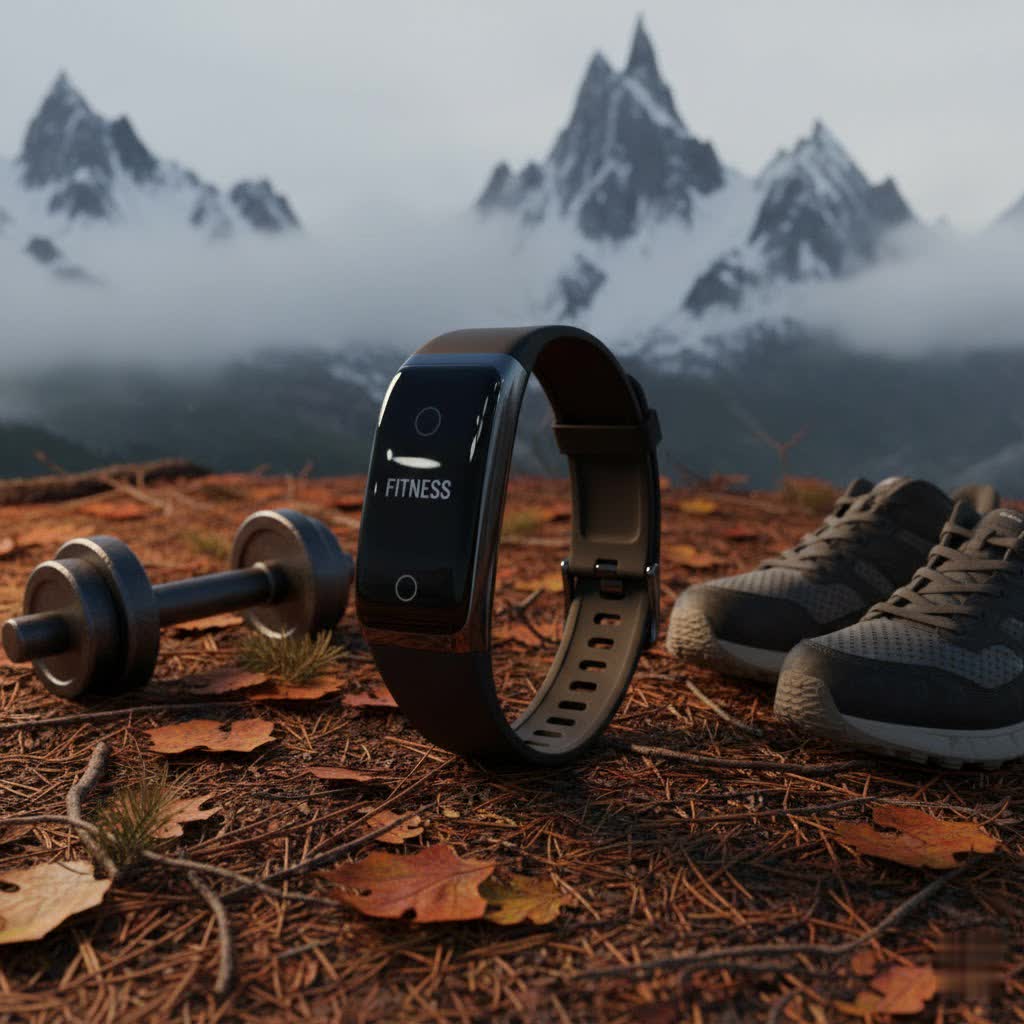
What is a Smart Fitness Tracker? Why Do You Need One?
A smart fitness tracker is a wearable device designed to monitor and record various health and fitness-related metrics, offering users a comprehensive overview of their physical activity and physiological data. Far beyond simple step counting, modern trackers incorporate advanced sensors to capture everything from heart rate and sleep quality to calorie expenditure and stress levels.
The benefits of integrating a smart fitness tracker into your routine are manifold. These devices serve as a constant, subtle reminder to stay active, helping to reduce sedentary behavior and increase daily movement. They provide objective data that can motivate you to set and achieve personalized fitness goals, whether it’s hitting a daily step target, improving sleep duration, or optimizing workout intensity. For individuals focused on specific health objectives, such as monitoring heart health or managing stress, fitness trackers offer continuous, real-time feedback that can be shared with healthcare providers for more informed decision-making. Moreover, the detailed historical data allows you to identify trends, understand how different activities impact your body, and make data-driven adjustments to your lifestyle for sustained health improvements.
Smart fitness trackers are beneficial for a diverse range of individuals. Athletes can leverage advanced metrics like VO2 max and recovery time to fine-tune their training. Those aiming for weight loss can benefit from accurate calorie tracking and activity monitoring. Individuals looking to improve general health can gain awareness of their sleep quality and daily activity levels, while anyone seeking a more balanced lifestyle can utilize stress management and mindfulness features.
Popular Types of Smart Fitness Trackers
The market for smart fitness trackers offers a wide array of options, each designed to cater to different preferences and needs. Understanding the main categories can help you narrow down your choice.
Firstly, wristband fitness trackers are typically sleek, lightweight, and focused primarily on core fitness metrics. Devices like the Fitbit Charge series often feature a compact display and excel at tracking steps, heart rate, sleep, and various workouts. Their main advantages include long battery life (often several days to over a week) and a minimalist design that is less obtrusive for all-day wear and sleep tracking. However, they may offer fewer “smartwatch” features and smaller screens for data viewing.
Secondly, smartwatches with advanced fitness features represent a hybrid category. These devices, such as the Apple Watch Series or Google Pixel Watch, combine comprehensive health tracking with extensive smartwatch functionalities like calling, texting, app access, and mobile payments. They typically feature larger, vibrant displays, robust operating systems, and often more powerful processors. While offering unparalleled convenience and integration with your smartphone ecosystem, their battery life is generally shorter (often 1-2 days) compared to dedicated fitness bands, and they usually come at a higher price point.
Lastly, emerging categories like smart rings offer a discreet alternative. The Oura Ring, for instance, provides extensive health metrics, including sleep, recovery, and heart rate variability, without a screen. These are ideal for users who prefer an understated wearable and don’t require real-time, on-display feedback during workouts. Their battery life is typically good, but they often require a subscription for full data insights and lack built-in GPS.
Each type has its own set of pros and cons, influencing factors like comfort, data accessibility, and integration with your digital life.
Comparison of Top Smart Fitness Trackers in 2026
The market for smart fitness trackers in 2026 offers impressive advancements, with several devices standing out for their accuracy, features, and user experience. Here’s a comparison of some of the leading models:
| Tracker | Category | Compatibility | Key Features | Battery Life | Price Range |
|---|---|---|---|---|---|
| Fitbit Charge 6 | Best Overall | iOS & Android | SmartTrack automatic workout recognition, Built-in GPS, Sleep & Stress scores, Heart Rate, Blood Oxygen, Skin Temperature, Google Maps, Google Wallet, Menstrual health tracking, Irregular heart rhythm notifications. | Up to 7 days | $125 – $160 |
| Garmin Venu 3 | Best Overall | iOS & Android | Body Battery (recovery), Sleep Coach, Advanced Heart Rate Sensor, ECG monitor, over 30 preloaded sports apps, on-device workout creation. | Up to 14 days | $350 – $400 |
| Apple Watch SE 3 | Best Smartwatch for Fitness | iOS | Always-on display, Ultrafast charging, 5G connectivity, Sleep Score, Workout Buddy, Temperature tracking, Sleep apnea notifications, Optical heart sensor, Cycle tracking. | Up to 18 hours (normal use) | $219 – $249 |
| Pixel Watch 4 | Best Android Smartwatch for Fitness | Android | Emergency satellite connectivity, Dual-band GPS, Hands-free Gemini voice assistant, Ultra-fast charging, Loss of pulse detection, ECG, Irregular heart rhythm notifications. | Up to 40 hours (with AOD off) | $300 – $350 |
| Whoop 5.0 | Best for Performance & Recovery | iOS & Android | On-wrist charging, Personalized AI coach, Detailed Sleep, Strain & Recovery tracking, HRV, Physiological age, Healthspan analytics. | Up to 14 days | $129+ (requires subscription) |
| Oura Ring 4 | Best Smart Ring for Fitness | iOS & Android | Discreet design, Tracks over 50 health metrics (sleep, activity, heart health, stress, metabolic health, women’s health), Blood oxygen, HRV, Respiration rate, Automatic activity detection. | 5-8 days | $349+ (requires subscription) |
| Garmin Forerunner 970 | Best for Serious Athletes | iOS & Android | Detailed recovery and active data, Route creation (mapping), Built-in LED flashlight, Sleep coach, Training readiness, VO2Max, Multisport capabilities. | Up to 15 days (watch mode) | $700 – $750 |
| Suunto Run Watch | Best Budget for Runners | iOS & Android | Good value, Accurate pace/time tracking (treadmill sync), Lightweight, Multisport mode (34 activities), Connects to third-party apps (Strava, Apple Health). | Up to 12 days (without training) | $199 – $250 |
Note: Prices are approximate and may vary by retailer and configuration.
This comparison highlights that the “best” tracker depends heavily on individual priorities. For all-around fitness tracking with smart features, the Fitbit Charge 6 or Garmin Venu 3 are strong contenders. Apple and Android users deeply integrated into their ecosystems will find the Apple Watch SE 3 and Pixel Watch 4, respectively, offer seamless experiences. Performance athletes often gravitate towards Garmin’s specialized Forerunner models, while those prioritizing discrete 24/7 health monitoring might prefer the Whoop 5.0 or Oura Ring 4. Budget-conscious runners can find great value in options like the Suunto Run Watch.
How to Choose a Smart Fitness Tracker That Fits You
Selecting the right smart fitness tracker can feel overwhelming with the multitude of options available. However, by considering a few key factors, you can make an informed decision that perfectly aligns with your personal health and fitness journey.
1. Define Your Fitness Goals and Intended Use:
Start by clarifying what you want to achieve. Are you aiming for general activity monitoring, weight loss, endurance training, or holistic health tracking?
- General Activity: Basic step counting, calorie burn, and daily movement tracking will suffice.
- Weight Loss: Look for calorie monitoring, heart rate tracking, and compatibility with nutrition apps.
- Endurance Training (Running, Cycling, Swimming): GPS tracking, detailed performance metrics (pace, distance, VO2 max), and multisport modes are essential.
- Strength Training: Advanced heart rate monitoring, automatic exercise recognition, and rep counting capabilities can be beneficial.
- Holistic Health: Prioritize sleep tracking, stress monitoring, and features like blood oxygen saturation (SpO2) and ECG.
2. Key Features to Consider:
Beyond your primary goals, evaluate the specific features that will enhance your experience.
- Heart Rate Monitoring: Crucial for understanding workout intensity and overall cardiovascular health. Some trackers offer continuous monitoring, while others check periodically.
- GPS Tracking: Essential for outdoor activities to accurately track mileage, speed, and location without needing your phone.
- Sleep Tracking: Monitors duration, quality, and stages of sleep, providing insights for better rest.
- Water Resistance: If you swim or participate in water sports, ensure the device has an appropriate water-resistance rating (e.g., 5ATM for swimming).
- Battery Life: Consider how often you want to charge your device. Dedicated fitness bands often last longer than smartwatches.
- App Compatibility & Ecosystem: Ensure the tracker is compatible with your smartphone (iOS or Android) and its companion app offers a user-friendly interface for data analysis.
- Smart Features: Decide if you need notifications, music control, mobile payments, or voice assistants directly on your wrist.
3. Form Factor and Design:
Fitness trackers come in various designs, from minimalist rings to full-fledged smartwatches.
- Wristband: Discreet, comfortable for sleep, typically good battery life.
- Smartwatch: Larger display for easy data viewing and extensive smart features, but often bulkier and shorter battery life.
- Smart Ring: Most discreet option, excellent for 24/7 health monitoring without a screen, ideal for contact sports.
Consider the material of the band (silicone, leather, nylon) for comfort and durability during workouts.
4. Budget:
Prices range significantly, from under $100 for basic models to $800+ for premium smartwatches. Most popular options fall between $150 and $400. Factor in potential subscription costs for advanced features or data insights, as some brands lock certain functionalities behind a paywall.
By thoughtfully weighing these considerations against your personal needs and preferences, you can confidently select a smart fitness tracker that will be a valuable tool in achieving your wellness objectives.
Top Smart Fitness Trackers Praised in 2026
The year 2026 has seen smart fitness trackers reach new heights in functionality, accuracy, and user integration. Here are some of the most highly-rated models by users and experts alike:
Fitbit Charge 6:
- Pros: Renowned for its automatic workout recognition (SmartTrack), built-in GPS for runners, comprehensive sleep and stress tracking, and integration with Google Maps and Google Wallet for convenience. It’s water-resistant up to 50m and supports over 40 exercise modes.
- Cons: Some advanced features require a Fitbit Premium subscription, and YouTube Music Premium is needed for music playback (no offline music support). SmartTrack may not always stop workouts automatically.
- Ideal for: General users seeking a reliable, all-around fitness tracker with key smart features and cross-platform compatibility.
Garmin Venu 3:
- Pros: Praised for its exceptional accuracy, especially in heart rate monitoring during intense workouts. Features like Body Battery (recovery), Sleep Coach, and on-device workout creation make it feel like a personal coach. Offers a bright AMOLED touchscreen, outstanding battery life, and ECG monitoring.
- Cons: Its 45mm profile can be bulky for some, and activity auto-sensing is not its strongest suit. Interface can have a slight learning curve.
- Ideal for: Average gym-goers and those serious about performance and recovery who want advanced health insights without the complexity of a full-fledged sports watch.
Apple Watch SE 3:
- Pros: The most affordable new Apple Watch, offering excellent value with an always-on display, ultrafast charging, and 5G connectivity on cellular models. It boasts the same S10 processor as pricier models and includes new wellness tools like Sleep Score and Workout Buddy. It excels in heart rate variability tracking and automatic activity detection for Apple users.
- Cons: Shorter battery life (up to 18 hours) compared to dedicated trackers, lacks blood oxygen tracking, hypertension notifications, and ECG. Only compatible with iOS.
- Ideal for: iPhone users looking for a capable smartwatch with strong fitness features at a more accessible price point, or first-time Apple Watch owners.
Google Pixel Watch 4:
- Pros: Balances cutting-edge smartwatch features with robust Fitbit health tracking for Android users. Offers emergency satellite connectivity, dual-band GPS, hands-free Gemini voice assistant, and ultra-fast charging. Includes loss of pulse detection, ECG, and irregular heart rhythm notifications.
- Cons: Battery life, while improved, still typically lasts just over 24 hours. Watch bands can be tricky to maneuver.
- Ideal for: Android users who want a sleek smartwatch with seamless Google integration and comprehensive health tracking capabilities.
Whoop 5.0:
- Pros: A screen-free wristband focused on performance and recovery. Features long battery life with on-wrist charging, personalized AI coaching, and detailed insights into sleep, strain, recovery, and physiological age. Comfortable for 24/7 wear.
- Cons: Requires an ongoing subscription for data access. Lacks a display, built-in GPS, or traditional smartwatch features, meaning all insights are viewed through the app.
- Ideal for: Competitive athletes, fitness enthusiasts, and data-driven individuals serious about optimizing performance and understanding their body’s response to training and recovery.
Oura Ring 4:
- Pros: A highly discreet smart ring that tracks over 50 health metrics, including blood oxygen, heart rate, HRV, respiration, and temperature. Provides readiness, sleep, and stress scores, and automatically detects activity. Supports syncing between multiple rings for style flexibility.
- Cons: Requires a subscription for full access to insights. No built-in GPS or screen for real-time data viewing during workouts.
- Ideal for: Users who prefer an understated wearable, want comprehensive 24/7 health monitoring (especially sleep and recovery), and don’t need a screen on their device.
These top trackers represent the pinnacle of wearable technology in 2026, each offering a distinct approach to enhancing your health and fitness journey.
Using and Maintaining Your Smart Fitness Tracker
Once you’ve chosen your smart fitness tracker, proper setup, usage, and maintenance are crucial to maximize its benefits and longevity.
1. Setup and Synchronization:
- Initial Setup: Most trackers require charging before first use. Download the companion app (e.g., Fitbit app, Garmin Connect, Apple Health) on your smartphone.
- Pairing: Follow the in-app instructions to pair your device via Bluetooth. This usually involves enabling Bluetooth on your phone and selecting your tracker from the list of available devices.
- Profile Creation: Enter your personal details (age, height, weight, gender) accurately, as this data helps calibrate the tracker for more precise measurements.
- Permissions: Grant necessary permissions for the app to access location, notifications, and health data for full functionality.
2. Basic Feature Usage:
- Activity Tracking: Wear your device consistently. Most trackers automatically detect steps, distance, and calories burned. For specific workouts, manually start an activity mode (e.g., “Run,” “Swim,” “Weightlifting”) on your tracker or through the app to get more detailed metrics.
- Heart Rate Monitoring: Your tracker continuously monitors heart rate. Refer to the device’s screen or app for real-time readings and historical data.
- Sleep Tracking: Wear your tracker to bed. It will automatically detect sleep duration, stages (light, deep, REM), and quality. Review sleep scores and insights in the app.
- GPS: For outdoor activities, ensure GPS is enabled on your device (if built-in) or your phone (if tethered GPS). This provides accurate route mapping, pace, and distance.
- Notifications & Smart Features: Enable desired notifications (calls, texts, app alerts) through the companion app. Explore other smart features like mobile payments or music control as available.
3. Maintenance and Care:
- Cleaning: Regularly clean your tracker and band, especially after sweaty workouts, to prevent skin irritation and maintain sensor accuracy. Use a soft, damp cloth and mild soap. Avoid harsh chemicals.
- Charging: Follow manufacturer guidelines for charging. Avoid overcharging, and ensure charging ports are clean and dry before connecting.
- Water Resistance: Be aware of your device’s water resistance rating (e.g., 5ATM for swimming, but not diving). Always dry your tracker thoroughly after water exposure.
- Software Updates: Keep your tracker’s firmware and companion app updated to access new features, bug fixes, and performance improvements.
- Screen Protection: Consider a screen protector for devices with displays to prevent scratches.
By adhering to these simple guidelines, your smart fitness tracker will remain a reliable and effective tool in your health and wellness arsenal.
Important Considerations When Using a Smart Fitness Tracker
While smart fitness trackers offer powerful insights, it’s essential to understand their limitations and use them responsibly to avoid potential pitfalls and maximize their effectiveness.
1. Accuracy and Influencing Factors:
Fitness trackers are generally quite accurate for common metrics like heart rate and steps, but precision can vary between devices and activities. Factors such as skin tone, placement on the wrist, movement type (e.g., stationary bike vs. outdoor cycling), and sensor quality can influence readings. For instance, wrist-based heart rate monitors may be less accurate during high-intensity interval training compared to chest straps. It’s crucial to view the data as guiding insights rather than absolute medical measurements.
2. Health and Medical Disclaimers:
Smart fitness trackers are not medical devices and should not be used for diagnosing, treating, or preventing any disease or medical condition. Features like ECG or blood oxygen monitoring provide indicative data, but any health concerns should always be discussed with a qualified healthcare professional. If you have underlying health conditions, consult your doctor before relying on a fitness tracker for health monitoring.
3. Avoiding Data Overload and Obsession:
The abundance of data from fitness trackers can be motivating, but it can also lead to an unhealthy obsession with numbers, sometimes referred to as “orthorexia” (an unhealthy preoccupation with healthy eating) or excessive self-monitoring. Focus on overall trends and how you feel, rather than getting caught up in achieving perfect scores every single day. Remember that your tracker is a tool to support your journey, not to dictate your self-worth or induce stress.
> “While fitness trackers offer incredible insights, it’s vital to remember they are tools, not ultimate health arbiters. Listen to your body first, and use the data to inform, not control, your wellness journey.” – Dr. Emily Chen, Sports Medicine Physician
4. Privacy and Data Security:
Be mindful of the privacy implications of sharing your personal health data. Understand what data your device and its companion app collect, how it’s used, and with whom it might be shared. Review the privacy policies of the manufacturers and apps you use. Secure your accounts with strong passwords and two-factor authentication.
By keeping these important considerations in mind, you can harness the full potential of your smart fitness tracker while maintaining a healthy and balanced perspective on your overall well-being.
Conclusion
Smart fitness trackers have undeniably revolutionized the way we approach personal health and fitness. From monitoring our heart rate and sleep patterns to guiding us through personalized workouts and encouraging consistent activity, these devices empower us with unprecedented insight and motivation. The advanced models of 2026 offer a diverse range of features, catering to every need from the casual wellness enthusiast to the serious athlete, and integrate seamlessly into our daily lives.
Choosing the right tracker involves understanding your specific goals, prioritizing essential features like GPS or water resistance, and selecting a form factor that suits your comfort and style. Whether you opt for a sleek wristband, a feature-rich smartwatch, or a discreet smart ring, proper setup and maintenance are key to a lasting and effective experience. Remember to view the data as a helpful guide rather than an absolute measure, and always consult medical professionals for health concerns.
Ultimately, a smart fitness tracker is a powerful ally in your quest for a healthier, more active life. Which smart fitness tracker will you choose to empower your journey?
Frequently Asked Questions
What is the primary difference between a fitness tracker and a smartwatch?
|
Our Picks for the Best Fitness Tracker in 2026
As an Amazon Associate I earn from qualifying purchases.
|
||
| Num | Product | Action |
|---|---|---|
| 1 | EnergyPort Purple Fitness Tracker with Quartz Display - Smart Bracelet Monitor Heart Rate, Sleep, IP68 Waterproof for Women, 30-Day Battery Life, Smart Notifications, Compatible with Android and iOS |

|
| 2 | Fitness Tracker with 24/7Heart Rate, Blood Pressure, Sleep Tracking, Calorie, Activity Tracker with 1.1" AMOLED Color Screen, Waterproof Step Tracker for Android iPhones Women Men |
|
| 3 | WHOOP 5.0/MG Activity Tracker - 12 Month Membership - Health and Fitness Wearable – 24/7 Activity and Sleep Tracker, Personalized Coaching, Menstrual Cycle Insights – 14+ Days Battery Life |
|
| 4 | Garmin Forerunner 55, GPS Running Watch with Daily Suggested Workouts, Up to 2 Weeks of Battery Life, Black - 010-02562-00 |
|
| 5 | Fitbit Charge 6 Fitness Tracker with Google apps, Heart Rate on Exercise Equipment, 6-Months Premium Membership Included, GPS, Health Tools and More, Obsidian/Black, One Size (S & L Bands Included) |
|
| 6 | USMECBL Fitness Trackers,Smart Band 24/7 Health Monitoring,Blood Oxygen Heart Rate Sleep Monitor,Calorie Pedometer Steps Counter Activity watchs/Notifications for iOS/Android |
|
| 7 | Fitbit Inspire 3 Health &-Fitness-Tracker with Stress Management, Workout Intensity, Sleep Tracking, 24/7 Heart Rate and more, Midnight Zen/Black One Size (S & L Bands Included) |
|
| 8 | GANSI Smart Ring for Women & Men - IP68 Waterproof Fitness Tracker -Sleep Tracking Heart Rate Healthy Monitor - Activity/Steps/Calories - for iOS & Android 10# |
|
| 9 | MorePro Fitness Tracker(Answer/Make Call), 1.83” Health Fitness Watch with Heart Rate, Blood Pressure,SpO2 and Sleep Monitor, 100+ Sports Modes, IP68 Waterproof Smart Watch for Men Women |
|
| 10 | Fitness Tracker with Heart Rate/Blood Oxygen/Sleep Monitor, 20+ Sports Modes Smart Watches for Women/Men, Activity & Step Tracker Smart Watch for Android/iOS Phones |
|
A fitness tracker primarily focuses on health and activity monitoring with fewer “smart” features, often having longer battery life and a simpler design. A smartwatch, on the other hand, offers extensive smartphone capabilities like calls, texts, and apps, alongside fitness tracking, typically with a larger screen and shorter battery life.
Can smart fitness trackers really help with weight loss?
Yes, smart fitness trackers can be a valuable tool for weight loss by tracking calorie expenditure, monitoring activity levels, and helping you set and achieve daily movement goals. They increase awareness of your habits and can motivate you to stay consistent, but they are most effective when combined with a balanced diet and regular exercise.
Are all smart fitness trackers waterproof for swimming?
No, not all smart fitness trackers are fully waterproof for swimming. Many are water-resistant to splashes and sweat, but for swimming, you need a device with a specific water resistance rating, typically 5ATM (up to 50 meters), or higher. Always check the manufacturer’s specifications for water resistance before using it in water.
How accurate are heart rate readings on wrist-based fitness trackers?
Wrist-based heart rate monitors are generally accurate for resting heart rate and steady-state exercise. However, their accuracy can decrease during high-intensity activities or movements that cause the tracker to shift on the wrist. For highly precise heart rate data, particularly for serious training, a chest-strap heart rate monitor is often recommended.
Do I need a subscription for my smart fitness tracker?
Many basic fitness tracking features are available without a subscription. However, some brands offer premium subscriptions that unlock advanced features such as in-depth data analysis, personalized coaching, guided workouts, or detailed recovery insights. It’s important to check the subscription requirements for the specific features you desire when choosing a tracker.
